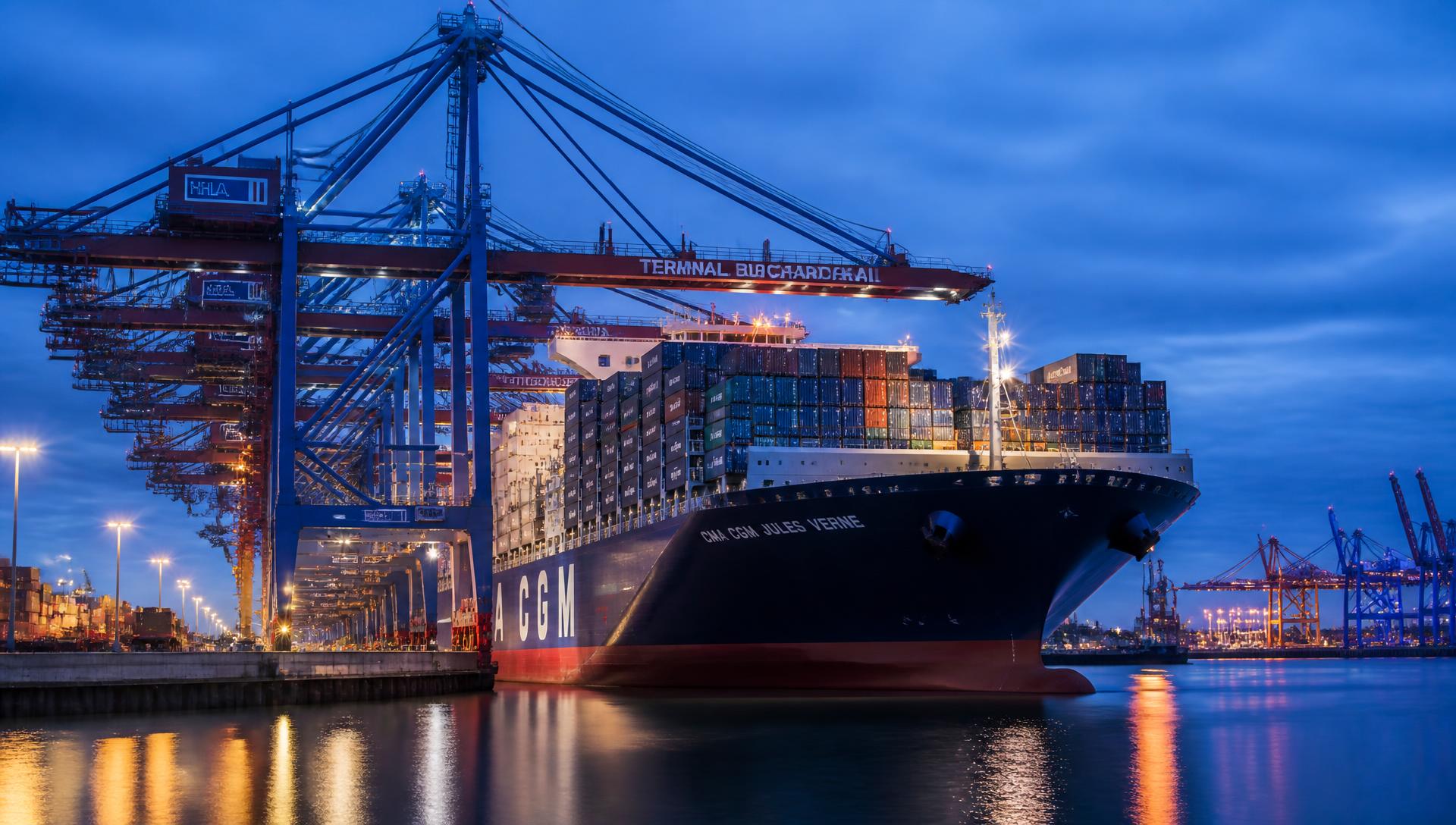

Shipping a container to Benin almost always means going through the port of Cotonou, the country's main maritime gateway and an important logistics hub for West Africa. For families and business owners in Montreal, Laval, Quebec City, Ottawa, or Gatineau sending parcels, barrels, or containers to Benin — or to neighboring landlocked Niger — understanding how this port works helps avoid surprises and plan cargo pickup more effectively once it arrives.
The Autonomous Port of Cotonou is more than just a place where ships dock. It's a complex system involving shipping lines, customs authorities, terminal operators, and often local freight agents. Each stage comes with its own timelines and paperwork requirements. In this article, we walk through what actually happens between the moment a container leaves Montreal and the moment goods are finally handed over to the consignee in Cotonou.
Whether this is your first consolidated shipment or you already manage several shipments a year, this guide will help you better anticipate each step of the port process and reduce the risk of delays or unexpected charges.
The role of the port of Cotonou in Canada-Benin trade
The port of Cotonou is the main maritime entry point for Benin, but it also handles a significant share of traffic destined for Niger, a landlocked country that relies on this corridor for its imports. It is a multipurpose port handling containers, bulk cargo, and vehicles.
A strategic regional hub
The port benefits from a favorable geographic position on the Gulf of Guinea, making it a logical choice for many West African importers. Its proximity to Nigeria also makes it an alternative route for certain trade flows that continue overland afterward.
Growing container volumes
As trade between Canada and Benin continues to grow, more families and small businesses are turning to ocean consolidation to ship a wide range of goods: clothing, appliances, construction materials, auto parts, and personal effects. This growth has also driven gradual modernization of port infrastructure.
The ocean route from Montreal to Cotonou
Before reaching Cotonou, your container follows an ocean route that may include one or more transshipments depending on available shipping lines. The freight forwarder in Montreal handles the booking, loading, and documentation tracking.
Typical shipment stages
- Booking cargo space with a shipping line
- Loading the container at the Saint-Léonard warehouse
- Trucking to the port of departure
- Ocean transit, sometimes with transshipment
- Arrival and discharge at the port of Cotonou
Documents to prepare before departure
To avoid delays, every shipment should be accompanied by a detailed packing list and a properly completed bill of lading. If you're unsure which documents you need, our team can guide you before the container is even loaded.
If you have questions about consolidated shipping to Benin, feel free to send us a message on WhatsApp — we're happy to walk you through the process.
What happens when the ship arrives
Once the vessel arrives, the container must be discharged, positioned within the terminal, and made available for customs clearance. This process can take anywhere from a few days to more than a week depending on port congestion.
Discharge and yard positioning
The terminal operator unloads containers from the vessel and places them in a temporary storage area pending customs clearance. During this period, demurrage charges may accumulate if customs procedures are delayed.
Notification to the consignee
The freight forwarder or local agent typically notifies the consignee or their representative once the container has arrived. This is when the customs clearance process should begin promptly to limit additional fees.
Customs clearance at the port of Cotonou
Customs clearance is often the longest and most delicate step in the process. It requires solid document preparation and, in most cases, the involvement of a local freight agent or licensed customs broker.
Documents generally required
- The original bill of lading or an authorized copy
- The commercial invoice or a value declaration
- The packing list
- Identification for the consignee
- Any special permits depending on the nature of the goods
Customs clearance steps at a glance
| Step | Description | Main party involved |
|---|---|---|
| Declaration filing | Submitting documents to customs | Customs broker |
| Verification | Physical or document inspection | Benin customs |
| Duty assessment | Calculating applicable taxes | Benin customs |
| Payment | Settling duties and taxes | Consignee or agent |
| Container release | Container leaves the terminal | Local carrier |
Possible fees to anticipate
Customs duties, local taxes, and handling fees vary depending on the nature and value of the goods. We cannot guarantee exact amounts, as these fees are determined by Benin authorities and can change without notice.
Container release and final transport
Once customs formalities are complete, the container can be released from the port terminal. Depending on the final destination of the goods, additional trucking may be required, particularly for shipments heading further inland or toward Niger.
Terminal pickup
The consignee or their representative must present release documents to physically retrieve the container or the unloaded goods.
Transport to the final destination
If goods need to be moved to another city, a truck will be required. This step should be planned in advance to avoid additional delays at the terminal.
Why work with a Montreal-based forwarder
Working with a freight forwarder based in Saint-Léonard, Montreal, allows you to centralize every step from the start: booking cargo space, preparing documentation, loading the container, and tracking it through to arrival. This significantly reduces the risk of documentation errors that could delay customs clearance in Cotonou.
Support starting right here in Quebec
Whether you're in Montreal, Laval, Quebec City, Ottawa, or Gatineau, a local forwarder can coordinate pickup of your goods, consolidation with other shipments, and preparation of the documents needed for Benin.
Coordination with local partners
Many forwarders work with local agents or freight partners in Cotonou to facilitate reception and customs clearance. This coordination is essential for a smooth end-to-end service.
To learn more about our ocean consolidation service to Cotonou, visit our dedicated page.
Practical tips to avoid delays
Prepare documents in advance
Make sure all information on the invoice and packing list exactly matches the actual contents of the container.
Designate a reliable representative in Cotonou
If you're not on-site, it's essential to have someone trustworthy who can manage customs clearance and cargo pickup on your behalf.
Track your shipment's progress
Stay in touch with your forwarder to know the status of your container at each stage, from loading in Montreal to arrival in Cotonou.
If you're shipping to other destinations, you may also find our pages on consolidation to Lomé or consolidation to Douala useful for comparison.
Consolidation as a cost-effective solution
For shipments that don't fill an entire container, ocean consolidation remains an accessible and cost-effective solution. Several shippers share space in the same container, which reduces individual costs while maintaining a structured service through to the port of Cotonou.
Benefits of consolidation
- Lower cost compared to a full container
- Accessible for individuals and small businesses
- Simplified documentation handled by the forwarder
- Regular departure schedules
To explore all consolidation options from Montreal, take a look at our ocean consolidation hub page.
Frequently asked questions
How long does the Montreal-Cotonou route take?
Transit time varies depending on the shipping line, transshipments, and time of year. We cannot guarantee a fixed timeline, but our team can give you a general estimate based on your planned shipping date.
Who needs to be present to pick up the container in Cotonou?
The consignee or a designated representative must be available to manage customs clearance and sign the release documents at the terminal.
What happens if customs clearance is delayed?
Demurrage charges may apply if the container remains in the terminal too long without being cleared. It's important to act quickly once you receive the arrival notification.
Can I ship a full container or only consolidated cargo to Cotonou?
Both options are available. The right choice depends on the volume of goods you need to ship and your budget.
Does the port of Cotonou also serve Niger?
Yes, a significant share of traffic bound for Niger passes through the port of Cotonou before continuing overland.
What documents do I need to provide before loading in Montreal?
A detailed packing list and the information needed to prepare the bill of lading are generally required. Our team can help you get everything ready.
Can I track my container during transit?
Yes, tracking is generally available through your forwarder, who can update you on the main milestones through to arrival in Cotonou.
How can I avoid unexpected fees on arrival?
The best approach is to prepare all documents in advance, designate a reliable representative in Cotonou, and start the customs clearance process as soon as you receive the arrival notice.
Conclusion
Understanding how the port of Cotonou works allows you to approach your shipment with more confidence, from booking in Montreal all the way to receiving your goods in Benin. Every step, from loading to customs clearance, requires solid documentation and reliable coordination between your forwarder in Saint-Léonard and your contacts on the ground. To plan your next shipment to Cotonou with confidence, visit our ocean consolidation to Cotonou page or reach out to us directly to discuss your project.
Related reading
These other guides may help:
- How to Ship Goods from Montreal to Cotonou, Benin
- Customs Clearance in Douala, Cameroon: What the Consignee Should Prepare
- The Port of Lomé: West Africa's Transshipment Hub and What It Means for Shippers from Canada
- Ocean Freight Montreal to Dakar: The Complete Guide
If you are already preparing a shipment, our page on exporting a vehicle from Canada walks through the practical steps and paperwork.