🌍 Africa
How to Send Clothing Bales From Canada to Africa
Sending clothing bales from Canada to Africa involves a structured process encompassing preparation, documentation, logistics, and customs clearance. This guide outlines the essential steps, from…

How to Send Clothing Bales From Canada to Africa
Sending clothing bales from Canada to Africa involves a structured process encompassing preparation, documentation, logistics, and customs clearance. This guide outlines the essential steps, from sourcing and baling your inventory in Canada to navigating the complexities of international freight forwarding, ensuring your shipment arrives at its destination in Africa efficiently. VELOX Logistics specializes in facilitating this process, providing container shipping services exclusively from Montreal, Quebec, to various African ports. Understanding each stage is crucial for a successful and compliant export operation.
Understanding the Used Clothing Trade and Market in Africa
The trade of used clothing, often referred to as "mitumba" in many African markets, represents a significant economic activity, providing affordable apparel and generating employment. Demand across African nations varies based on climate, cultural preferences, and economic conditions. Countries like Ghana, Kenya, Tanzania, and many West African nations are major importers. Understanding the specific market you aim to serve is paramount, as quality expectations, pricing tiers, and regulatory frameworks differ. For instance, some countries have strict import regulations or even bans on certain types of used clothing to protect local textile industries.
The quality and grading of used clothing are critical factors influencing market value and import success. Typically, clothing bales are categorized into grades (e.g., Cream, Grade A, Grade B) based on condition, wear, and fashion relevance. Proper Used Clothing Grades and Quality assessment before baling is essential to meet buyer expectations and avoid issues at destination. VELOX Logistics, while not directly involved in sourcing, advises clients on the importance of consistent quality for repeat business and market penetration. If you are exploring the market, understanding Wholesale Used Clothing Prices in Canada can provide a baseline for your business model.
Sourcing and Preparing Your Clothing Bales for Export
The journey begins with sourcing your inventory. Used clothing can be acquired from various channels in Canada, including charities, textile recyclers, and specialized collectors. Once sourced, the clothing undergoes a rigorous sorting process. This involves separating items by type (e.g., t-shirts, jeans, dresses), gender, age group, and crucially, by quality grade. This meticulous sorting ensures that bales are consistent and meet the specifications of your buyers in Africa.
After sorting, the clothing is compressed into bales using hydraulic baling machines. Bales typically range in weight from 45 kg (100 lbs) to 55 kg (120 lbs) for ease of handling and transport. The dimensions and weight density of these bales are critical for maximizing container space. Each bale should be securely wrapped, often in durable plastic or woven polypropylene, to protect the contents from moisture, dust, and damage during transit. Labeling each bale with its contents (e.g., "Men's Grade A T-shirts"), weight, and origin is also a best practice for inventory management and customs purposes. For detailed information on this process, refer to our guide on Sorting and Packing Used Clothing Bales for Export.
Documentation Requirements for Exporting Used Clothing
Exporting used clothing from Canada to Africa requires a comprehensive set of documents to ensure compliance with both Canadian export regulations and the import laws of the destination country. Without accurate and complete documentation, your shipment can face significant delays, penalties, or even rejection at the port of entry.
Key documents typically include:
- Commercial Invoice: This document details the seller, buyer, description of goods (including quantity, unit price, and total value), and terms of sale. It's crucial for customs valuation and duties.
- Packing List: This provides a detailed breakdown of the contents of each bale or package, including weight, dimensions, and markings. It helps customs verify the physical cargo against the invoice.
- Bill of Lading (B/L): Issued by the carrier (or freight forwarder like VELOX Logistics), the B/L serves as a contract of carriage, a receipt for the goods, and a document of title. It outlines the shipping route, vessel, and parties involved.
- Certificate of Origin: This document certifies that the goods were manufactured or processed in Canada, which can be important for preferential trade agreements or import regulations.
- Fumigation Certificate (if required): Some African countries require textile products to be fumigated to prevent the introduction of pests. Always check specific destination country requirements.
- Inspection Certificate: Certain countries may mandate pre-shipment inspection by an authorized agency to verify quality, quantity, and compliance with standards.
- Import Permit/License: The importer in Africa will often need to obtain an import permit or license from their local government before the goods can enter the country. It is the responsibility of the importer to secure this.
It's imperative to consult with your freight forwarder and the importer to confirm all specific documentation requirements for the target African country. Regulations can change, and staying updated is key to smooth customs clearance.
Choosing Your Shipping Method: Container Options
VELOX Logistics exclusively offers container shipping for your used clothing bales. This method provides security, efficiency, and cost-effectiveness for bulk shipments. The primary container sizes available are 20-foot and 40-foot standard containers, and sometimes 40-foot High Cube containers.
Container Types and Capacity
- 20-foot Standard Container: Ideal for smaller to medium-sized shipments. It has a capacity of approximately 33 cubic meters.
- 40-foot Standard Container: Offers double the capacity of a 20-foot container, with approximately 67 cubic meters.
- 40-foot High Cube Container: Similar in length to a 40-foot standard but with additional height, providing around 76 cubic meters of capacity. This is often preferred for light, voluminous cargo like clothing bales, as it allows for more cargo per container.
The number of bales that can fit into a container depends on the average weight and dimensions of your bales. For practical estimates, refer to our article on How Many Used Clothing Bales Fit in a 20ft or 40ft Container?.
Full Container Load (FCL) vs. Less than Container Load (LCL)
- Full Container Load (FCL): You lease the entire container for your shipment. This is generally more cost-effective for larger volumes, provides better security, and often results in faster transit times as the container goes directly to the destination without additional handling at consolidation points.
- Less than Container Load (LCL): If your shipment isn't large enough to fill an entire container, VELOX Logistics offers LCL services. Your bales are consolidated with other compatible cargo from different shippers into one container. This can be a more economical option for smaller volumes but may involve longer transit times due to the additional consolidation and de-consolidation processes.
VELOX Logistics specializes in Consolidation Montreal → Abidjan, Consolidation Montreal → Cotonou, Consolidation Montreal → Lomé, Consolidation Montreal → Douala, and Consolidation Montreal → Kinshasa, among other destinations, making LCL a viable option for many clients.
The Freight Forwarding Process with VELOX Logistics
Working with an experienced freight forwarder like VELOX Logistics is crucial for navigating the complexities of international shipping. Our process ensures a smooth journey for your clothing bales from Montreal to Africa.
- Quotation Request: You provide details of your shipment (origin, destination, cargo type, volume/weight, desired service level). We assess these factors to provide a comprehensive quote.
- Booking and Schedule Confirmation: Once the quote is accepted, we book the necessary container space with a reputable shipping line departing from Montreal. We confirm sailing schedules and estimated transit times.
- Cargo Pickup/Delivery to Warehouse: Your prepared bales can either be delivered to our warehouse in Montreal (6135 boul. Couture, Saint-Léonard, QC) for LCL consolidation, or we can arrange for an FCL container to be delivered to your warehouse for loading.
- Loading and Securing: For FCL shipments, you load the container. For LCL, our team loads and secures your bales within the consolidated container, ensuring proper stowage to prevent damage.
- Customs Formalities (Export): We handle the necessary export customs declarations in Canada, ensuring all documentation is accurate and compliant.
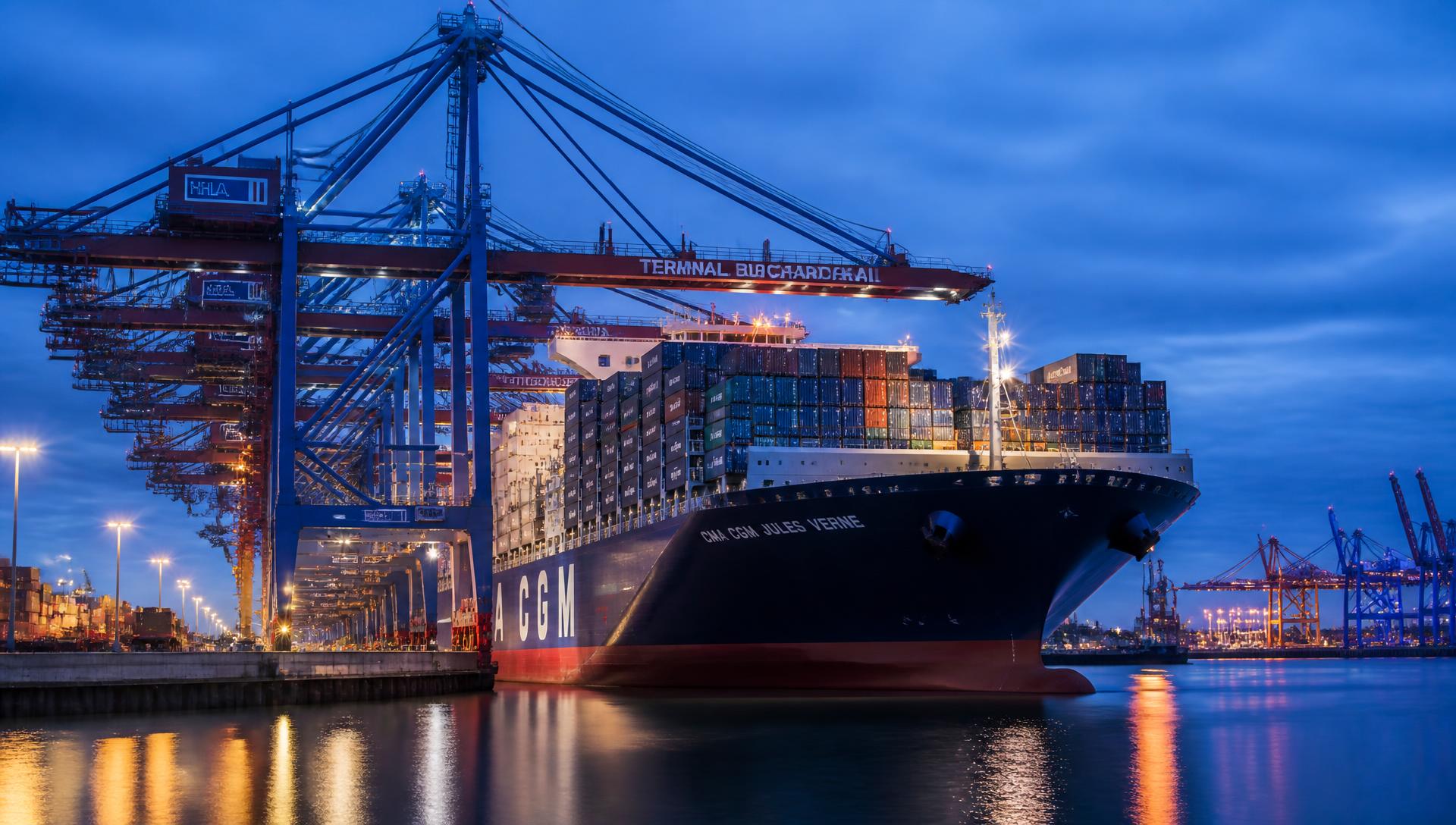
- Ocean Freight: The container is transported to the Port of Montreal, loaded onto a vessel, and shipped across the Atlantic to the designated port in Africa.
- Arrival and Customs Clearance (Import): Upon arrival at the destination port, the importer (or their customs broker) handles the import customs clearance, payment of duties/taxes, and any required inspections.
- Delivery to Final Destination: Once cleared, the container (FCL) or consolidated cargo (LCL) is transported from the port to the importer's final warehouse or distribution point.
VELOX Logistics facilitates every step of this journey, providing transparent communication and expert guidance. Our expertise in Used clothing logistics service means we understand the specific requirements and challenges of this trade.
Factors Influencing Shipping Costs
Shipping costs for clothing bales from Canada to Africa are dynamic and influenced by several key factors. It's important to understand these to budget effectively and obtain accurate quotes. VELOX Logistics always provides dated quotes as rates vary significantly.
| Factor | Description Sustain your used clothing business by providing quality products.
- The Power of Branding: A strong brand image, customer service, and unique product offerings differentiate you.
- Logistics and Supply Chain: Efficient logistics, often facilitated by freight forwarders like VELOX Logistics, ensures timely and cost-effective delivery.
- Technology Adoption: Leveraging online platforms for marketing and sales expands reach.
- Adaptability: The ability to adapt to market changes, economic shifts, and evolving consumer preferences.
Conclusion
Exporting used clothing bales from Canada to Africa is a viable business venture requiring careful planning, adherence to regulations, and efficient logistics. By understanding the sourcing, preparation, documentation, and shipping processes, you can successfully navigate this international trade. Partnering with an experienced freight forwarder like VELOX Logistics simplifies the complexities, allowing you to focus on growing your business. Remember that all international departures handled by VELOX Logistics leave exclusively from Montreal, ensuring streamlined operations for your shipments to African markets. Whether you're sending a few bales or multiple containers, a structured approach is the foundation for success in the dynamic used clothing trade. For further information, consider reading our guide on Starting a Used Clothing Business in Africa from Canada.
[[CTA]]
FAQ — Shipping Used Clothing Bales to Africa
Q: What are the main challenges when sending clothing bales to Africa? A: Key challenges include navigating diverse import regulations, ensuring proper documentation, managing fluctuating shipping costs, and dealing with potential customs delays or issues at the destination port.
Q: Can VELOX Logistics help me find buyers for my used clothing in Africa? A: VELOX Logistics is a freight forwarder and does not engage in sourcing or selling inventory. Our expertise lies in the logistics of shipping your goods from Montreal to your specified destination in Africa.
Q: How long does it typically take for a shipment to reach Africa from Montreal? A: Transit times vary significantly depending on the specific destination port, the shipping line, and potential transshipment points. Typically, ocean freight from Montreal to West African ports can take anywhere from 3 to 6 weeks. It's best to request a specific sailing schedule for an accurate estimate.
Q: Are there any restrictions on the type of used clothing that can be exported? A: Yes, destination countries often have specific restrictions. These can include bans on underwear, soiled items, military uniforms, or certain types of garments. It is crucial for the importer to verify all local import regulations before shipping.
Q: How do I ensure my clothing bales are protected during transit? A: Proper baling and packaging are key. Bales should be tightly compressed and wrapped in durable, waterproof material. For FCL shipments, ensure the container is loaded correctly and cargo is secured to prevent movement. For LCL, VELOX Logistics ensures proper stowage within the consolidated container.
Q: What should I do if my shipment is delayed at customs in Africa? A: Delays at customs are often due to incomplete or incorrect documentation, or unforeseen inspections. The importer and their local customs broker are primarily responsible for resolving these issues. VELOX Logistics will assist by providing any necessary shipping documentation from the export side.
Get a VELOX quote
To get a precise and dated quote for sending your used clothing bales from Montreal to your desired African destination, please contact VELOX Logistics. Our team is ready to provide you with detailed information and options for your specific shipping needs. Reach us via WhatsApp at +1 514-718-0282 or Request a rate directly through our website.
Further reading
These VELOX guides go further on the topic: