🌍 Africa
How to Export Used Clothing From Canada to Africa
Exporting used clothing from Canada to various African markets involves a structured process encompassing sourcing, sorting, logistics, and compliance with international trade regulations. Successful…

How to Export Used Clothing From Canada to Africa
Exporting used clothing from Canada to various African markets involves a structured process encompassing sourcing, sorting, logistics, and compliance with international trade regulations. Successful export operations necessitate careful planning, adherence to quality standards, and a robust understanding of shipping procedures from Canada. This guide outlines the essential steps and considerations for businesses and individuals looking to engage in the used clothing trade from Montreal to Africa. VELOX Logistics specializes in facilitating these complex shipments, ensuring efficient and compliant transportation of your goods.
Understanding the Used Clothing Market in Africa
The demand for used clothing, often referred to as 'mitumba' in many African countries, is substantial and driven by factors such as affordability, variety, and the desire for quality Western apparel. This market provides economic opportunities for importers, distributors, and retailers across the continent, supporting numerous livelihoods. However, market entry requires an understanding of specific import regulations, quality preferences, and distribution channels within target countries. Key destinations often include countries in West Africa and Central Africa, where established trade routes and consumer bases exist.
Key Factors Driving Demand
- Affordability: Used clothing offers a cost-effective alternative to new garments, making fashion accessible to a broader population.
- Variety and Quality: Canadian used clothing is often perceived as high quality and offers a diverse range of styles not readily available locally.
- Sustainability: From a consumer perspective, purchasing used clothing aligns with sustainable consumption practices.
- Economic Opportunity: The trade supports a vibrant ecosystem of small and medium-sized enterprises involved in importing, sorting, tailoring, and retailing.
Target Markets and Their Specifics
While the entire continent presents opportunities, specific countries have more established import channels and higher demand. For instance, countries like Ghana, Benin, Togo, Cameroon, and the Democratic Republic of Congo are significant importers of used clothing. Each market may have nuances in preferred clothing types, quality standards, and import duties. It's crucial for exporters to research these specifics to tailor their offerings effectively. For example, some markets might prefer lighter fabrics suitable for tropical climates, while others might seek more durable workwear.
Sourcing and Preparing Used Clothing for Export
The foundation of a successful export operation lies in the quality and proper preparation of your inventory. Sourcing used clothing in Canada typically involves partnerships with textile recyclers, charities, and collection agencies. Once acquired, the clothing must undergo a rigorous sorting process to meet international standards and buyer expectations. VELOX Logistics does not purchase inventory but can provide an evaluation of your logistical needs once your inventory is prepared.
Sourcing Channels in Canada
- Textile Recycling Companies: These companies collect large volumes of used textiles, often sorting them into various grades.
- Charitable Organizations: While many charities process donations for local sale, some also engage in wholesale to textile recyclers or direct exporters.
- Collection Bins and Drives: Individual collection efforts can yield inventory, though managing quality and volume can be more challenging.
Sorting and Grading for International Markets
Sorting is a critical step that determines the value and marketability of your goods. Used clothing is typically sorted by type (e.g., men's, women's, children's, specific garment types), season, and quality grade. Quality grading is paramount, as different markets and buyers have varying requirements. Understanding Used Clothing Grades and Quality is essential for meeting buyer expectations and avoiding issues at the destination. Common grades include:
- Cream/Grade A: High-quality, gently used items with no visible flaws, stains, or tears. Often desirable for boutique resale.
- Grade B: Good quality items with minor wear, small imperfections, or requiring minor repairs. Still highly marketable.
- Grade C/Rag: Items suitable for industrial rags or fiber recycling, generally not for direct resale as clothing.
Baling and Packaging for Shipment
After sorting, clothing is compressed into bales for efficient shipping. The size and weight of bales vary, but standardization is key for container loading and freight calculations. Proper baling protects the clothing during transit and maximizes container space. For detailed information on optimizing your cargo, refer to our guide on How Many Used Clothing Bales Fit in a 20ft or 40ft Container?. Key considerations for baling and packaging:
- Density: Aim for high density to minimize shipping costs per unit.
- Protection: Use durable plastic wrapping to protect bales from moisture, dust, and damage.
- Labeling: Clearly label each bale with contents, grade, and origin information for customs and inventory management.
- Compliance: Ensure packaging meets any specific import regulations of the destination country. Detailed best practices are available in our article on Sorting and Packing Used Clothing Bales for Export.
Navigating Export Regulations and Documentation
Exporting used clothing from Canada to Africa requires strict adherence to both Canadian export regulations and the import policies of the destination country. This involves obtaining necessary permits, preparing accurate documentation, and ensuring compliance to prevent delays, penalties, or even rejection of your shipment.
Canadian Export Requirements
From the Canadian side, general export procedures apply. While used clothing typically doesn't require specific export permits unless it falls under controlled goods (which is rare for standard used clothing), it's crucial to correctly declare the goods to the Canada Border Services Agency (CBSA). Key documents typically include:
- Commercial Invoice: Details the goods, their value, and terms of sale.
- Packing List: Itemizes the contents of each bale or package.
- Bill of Lading (BOL): Issued by the carrier, serving as a contract of carriage and receipt for goods.
- Export Declaration: Submitted electronically to CBSA for shipments above a certain value.
Destination Country Import Regulations
This is often the most complex aspect. African nations frequently have specific, and sometimes evolving, import regulations for used clothing. These can include:
- Import Permits/Licenses: Many countries require pre-approval from their Ministry of Trade or equivalent.
- Pre-Shipment Inspection (PSI): Some nations mandate that used clothing shipments undergo inspection in the country of origin by an authorized third-party agency (e.g., SGS, Bureau Veritas) to verify quality, quantity, and compliance with health standards. This is critical to prevent the entry of substandard goods.
- Fumigation Certificates: Depending on the destination, a certificate confirming fumigation of the bales might be required to prevent the spread of pests.
- Health/Sanitation Certificates: Proof that the clothing has been cleaned and disinfected may be necessary.
- Tariffs and Duties: Import duties and taxes are levied by the destination country and can vary significantly. It's vital to research these costs thoroughly as they impact the final landed cost of the goods.
It is the exporter's responsibility to verify the most current and specific import requirements for their target country. VELOX Logistics can provide guidance on general shipping requirements but cannot advise on specific import duties or permits, which are the responsibility of the importer/exporter.
International Freight Forwarding from Montreal
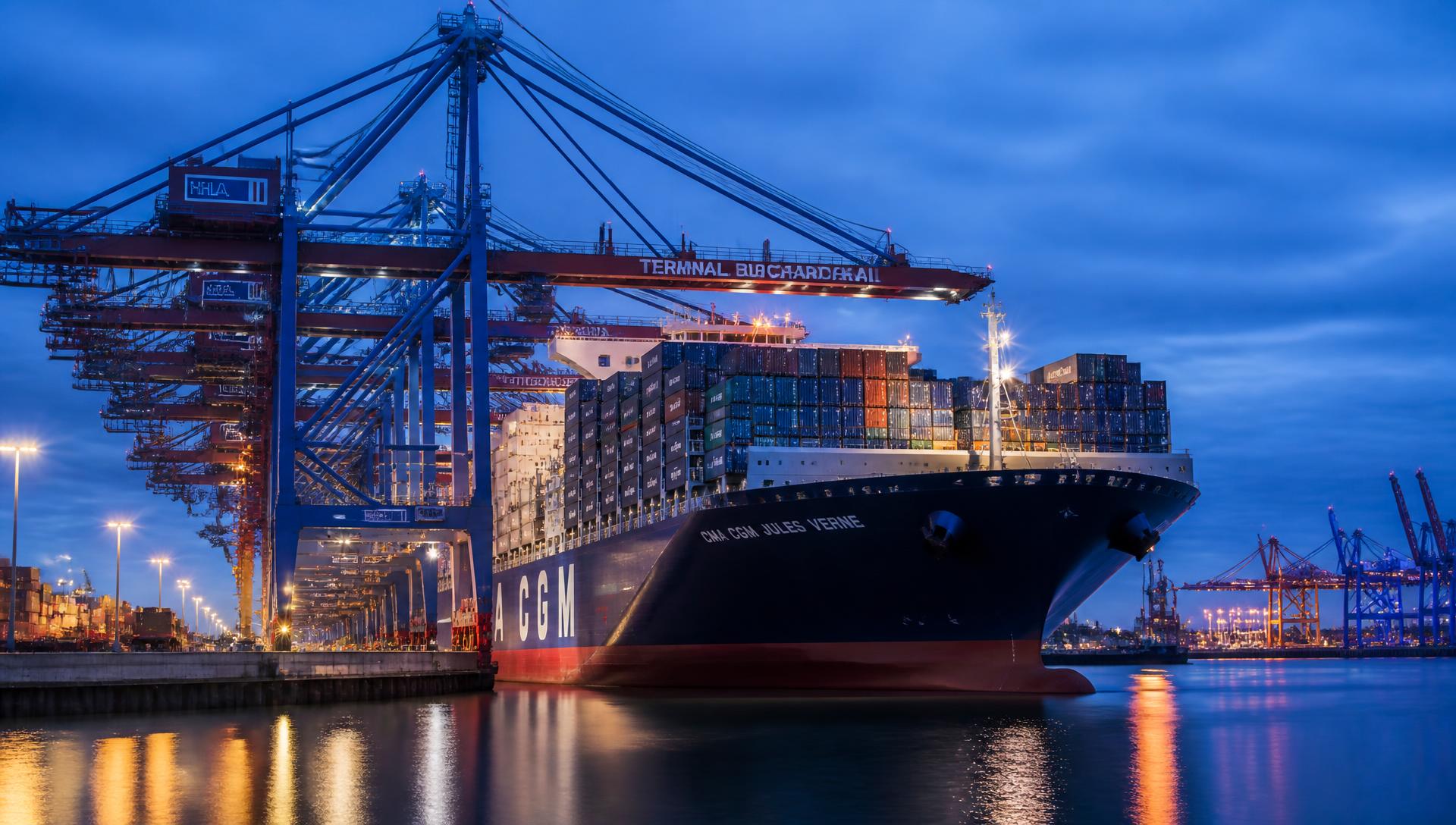
VELOX Logistics specializes in international freight forwarding, ensuring your used clothing shipments depart reliably from Montreal. We manage the complex logistics of ocean freight, providing container shipping services tailored to your needs.
Choosing the Right Shipping Method
For used clothing, container shipping is the standard and most economical method for international export. VELOX Logistics exclusively offers container shipping services.
- Full Container Load (FCL): If you have enough inventory to fill a 20-foot or 40-foot container, FCL is the most cost-effective option. You have exclusive use of the container, offering greater security and faster transit times compared to Less than Container Load (LCL).
- Less than Container Load (LCL): For smaller shipments that don't fill an entire container, LCL allows you to share container space with other shippers. VELOX Logistics offers consolidation services from Montreal to key African ports, such as Consolidation Montreal → Abidjan, Consolidation Montreal → Cotonou, Consolidation Montreal → Lomé, Consolidation Montreal → Douala, and Consolidation Montreal → Kinshasa. This can be a good option for those starting out or with fluctuating inventory levels.
The VELOX Logistics Process from Montreal
- Quote Request: Contact us with details of your shipment (origin, destination, volume, cargo type) to Request a rate.
- Booking: Once you accept the quote, we arrange the container booking and confirm sailing schedules from Montreal.
- Cargo Delivery to Port: You deliver your baled and prepared used clothing to our designated warehouse or directly to the port in Montreal. For FCL, the container can be delivered to your Montreal facility for loading.
- Customs Clearance (Export): We assist with the Canadian export customs declaration process.
- Ocean Freight: Your container is loaded onto a vessel departing from the Port of Montreal, heading towards your chosen African destination.
- Arrival and Import Clearance: Upon arrival at the destination port, the importer handles local customs clearance and final delivery.
Factors Affecting Shipping Costs
Shipping rates for used clothing from Montreal to Africa are dynamic and depend on several variables. VELOX Logistics never invents prices; instead, we explain the factors that drive them.
- Volume and Weight: The total cubic meters (CBM) and gross weight of your shipment directly impact costs. FCL rates are typically per container, while LCL rates are based on CBM or weight, whichever yields higher revenue.
- Destination Port: Rates vary significantly between different African ports due to vessel routes, port charges, and regional demand.
- Container Type: Standard 20-foot and 40-foot dry containers are most common for used clothing.
- Fuel Surcharges (BAF): Bunker Adjustment Factor, reflecting fuel price fluctuations.
- Currency Exchange Rates: International shipping often involves payments in USD, so exchange rates can affect the final cost in CAD.
- Peak Seasons: Shipping demand can influence rates during certain times of the year.
- Additional Services: Storage, consolidation, drayage (trucking to/from port), and customs brokerage services will add to the overall cost.
Rates vary and require a dated quote. We encourage you to contact VELOX Logistics for a precise quote tailored to your specific shipping needs from Montreal.
Risk Management and Insurance
International shipping inherently involves risks, from transit damage to unforeseen delays and regulatory changes. Implementing robust risk management strategies and securing appropriate cargo insurance are vital to protect your investment.
Common Risks in Used Clothing Export
- Physical Damage: Bales can be damaged during handling, loading, or ocean transit, leading to spoilage or re-sorting costs.
- Loss/Theft: While rare with containerized cargo, theft can occur, particularly at destination ports or during inland transport.
- Customs Issues: Non-compliance with import regulations can lead to fines, confiscation, or mandatory re-export.
- Market Fluctuations: Changes in demand or local regulations in Africa can impact profitability.
- Political Instability: Unrest in destination countries can disrupt supply chains and market access.
Cargo Insurance
VELOX Logistics strongly recommends securing cargo insurance for all international shipments. Standard carrier liability is often limited and may not cover the full value of your goods. Cargo insurance provides comprehensive coverage against loss or damage from various perils during transit. Discuss insurance options with your freight forwarder or an independent insurance broker to ensure adequate coverage.
Building Sustainable Trade Relationships
Successful and long-term used clothing export from Canada to Africa relies on building strong, trusting relationships with your partners, both locally in Canada and with your buyers in Africa.
Partnering with Reliable Buyers
- Due Diligence: Thoroughly vet potential buyers to confirm their legitimacy, financial stability, and understanding of import regulations.
- Clear Contracts: Establish clear terms of sale, including quality specifications, payment terms, and responsibilities for shipping and import duties.
- Communication: Maintain open and consistent communication to address any issues promptly.
Ensuring Quality and Compliance
Consistently delivering the quality of goods promised is paramount. This builds trust and ensures repeat business. Staying informed about evolving import regulations in your target markets is also critical to avoid compliance pitfalls. For those looking to establish a robust business model, consider reading our guide on Starting a Used Clothing Business in Africa from Canada.
Checklist for Exporting Used Clothing from Canada to Africa
This table provides a comprehensive overview of the essential steps and considerations for exporting used clothing.
| Category | Action Item | Details / Considerations
Further reading
These VELOX guides go further on the topic: