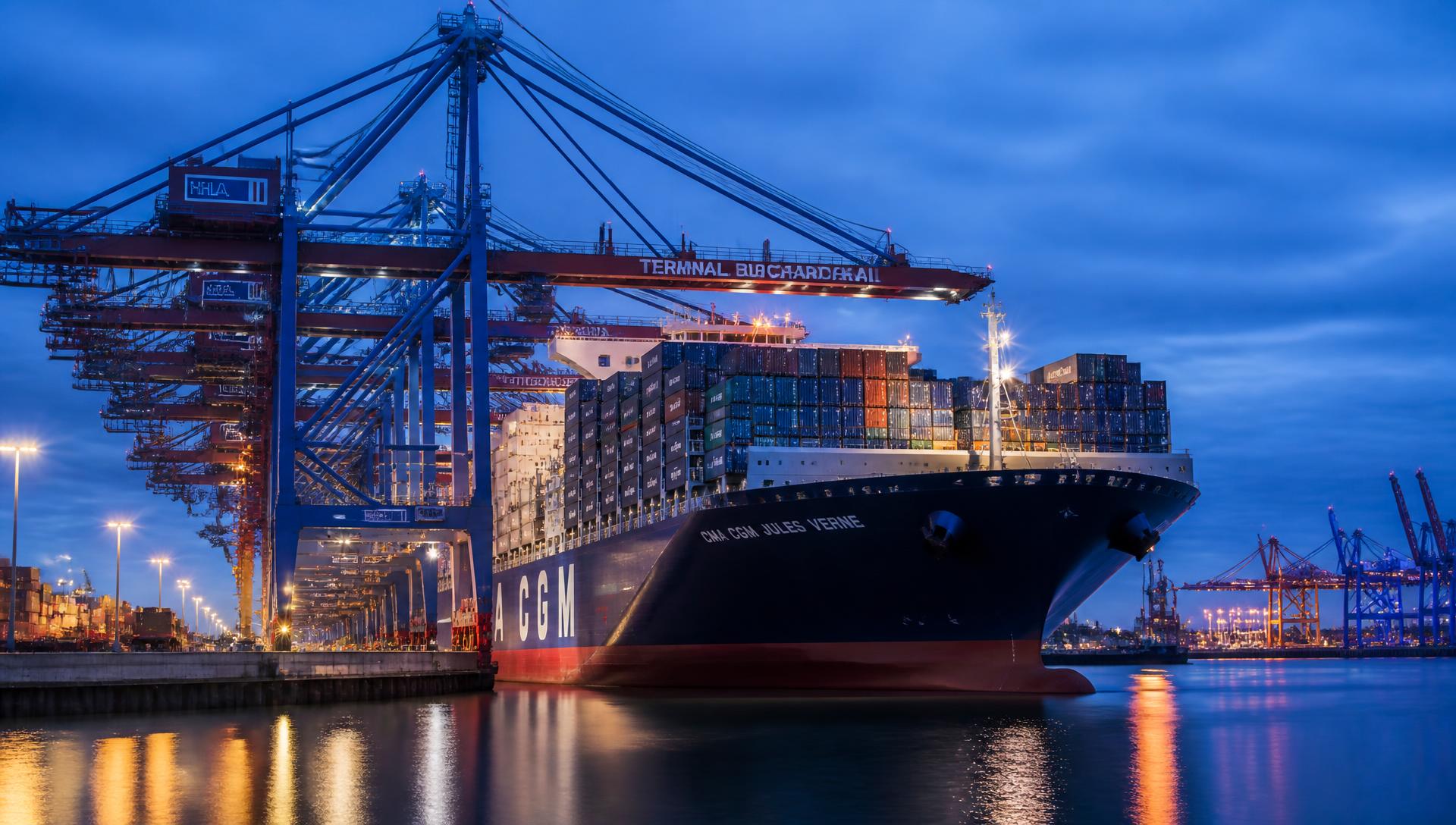

Shipping cargo by ocean freight between Montreal and Dakar is one of the most requested routes for individuals and businesses trading with Senegal and West Africa more broadly. Whether you are exporting a full container of goods, vehicles, or personal effects, understanding the steps involved helps you avoid costly mistakes and preventable delays.
VELOX Logistics, an ocean freight forwarder based in Saint-Léonard (Montreal), supports shippers who want to send cargo to Dakar, whether through a full container load (FCL) or by taking advantage of the consolidation program when the shipment volume doesn't justify a full container. This article outlines how a shipment to Dakar works in practice, the documents required, how the cost is built, and the most common mistakes to avoid.
Dakar is Senegal's main port and one of the major gateways into West Africa. Several international shipping lines serve this route, including Hapag-Lloyd, CMA CGM, MSC, Maersk, ONE, and ZIM, giving shippers some flexibility when choosing sailings based on their needs.
Why ship to Dakar from Montreal
Senegal, and Dakar in particular, is an important trade destination for members of the Senegalese diaspora established in Quebec and Canada, as well as for businesses exporting wholesale goods to West Africa. Typical shipping needs include:
- Sending personal vehicles or vehicles intended for resale.
- Exporting used clothing (bales) for local resale.
- Shipping wholesale goods by full container (construction materials, appliances, consumer goods).
- Relocating personal effects as part of a move or a return home.
- Sending consolidated parcels when the volume doesn't justify a full container.
Each of these needs corresponds to a different logistics option, whether a full container load (FCL) or ocean consolidation.
FCL or consolidation: which option for Dakar
The choice between a full container and consolidation depends mainly on the volume of goods being shipped.
| Criteria | Full Container Load (FCL) | Consolidation (LCL) |
|---|---|---|
| Volume | Filled entirely by one shipper | Shared among multiple shippers |
| Handling | Cargo loaded once | Cargo handled at the consolidation warehouse |
| Best for | Large volumes, vehicles, commercial containers | Small volumes, personal parcels, boxes |
| Control | Shipper manages the entire loading | Forwarder organizes consolidation with other shipments |
For guidance on which format suits your situation, see our ocean consolidation page or our full range of services.
How an ocean shipment to Dakar works
1. Booking ocean freight space
The first step is booking the necessary space with a shipping line, based on the container type required (20-foot, 40-foot, or 40-foot High Cube) and the cargo volume. VELOX Logistics handles this booking on behalf of its clients through our booking page.
2. Pickup and local trucking
Cargo must be transported to the loading terminal or warehouse. VELOX Logistics operates a fleet of 20-foot trucks and 53-foot trailers to handle trucking between your location and the loading point.
3. Container loading
Loading must follow proper weight distribution and securing practices to avoid damage in transit. See our guide on how to load a shipping container for best practices.
4. Documentation and export declaration
Every shipment requires accurate documentation: a Bill of Lading, commercial invoice, packing list, and an export declaration where required. Our article on essential ocean shipping documents covers each of these in detail.
5. Ocean transit
Once loaded and declared, the container is shipped by sea to the port of Dakar. Transit time varies depending on the sailing and routing chosen by the shipping line; contact VELOX Logistics to find out the rate and the next available departure.
6. Arrival and customs clearance in Dakar
Upon arrival, the consignee or their local representative must clear the cargo through customs. It is important to prepare for this in advance; our guide on customs clearance on container arrival explains how to get ready.
Documents needed to ship to Dakar
Depending on the nature of the cargo, the following documents may be required:
- Commercial invoice describing the nature, quantity, and value of the goods.
- Packing list detailing the contents of each box or pallet.
- Ocean Bill of Lading, the key document issued by the shipping line or forwarder.
- Canadian export declaration, when the nature or value of the shipment requires it.
- Vehicle-specific documents (title, proof of purchase) if a vehicle is included in the shipment.
- Verified Gross Mass (VGM) for the container, mandatory for any ocean container.
For more detail on each of these, see our articles on the bill of lading, VGM, and the CERS export declaration.
How the cost of a shipment to Dakar is built
The total cost of an ocean shipment to Dakar is made up of several components, though no fixed amount can be given since each shipment is different:
- Base ocean freight, set by the shipping line based on the container type and sailing chosen.
- Surcharges, including fuel or currency adjustment charges applied by shipping lines.
- Inland trucking, between your location and the loading point, or between the arrival port and the final destination.
- Local charges at destination, including port handling and administrative procedures in Dakar.
- Customs clearance fees, which depend on the exact nature of the goods and Senegalese regulations in force.
For an estimate tailored to your shipment, contact VELOX Logistics to find out the rate and the next available departure. You can also read our general guide on the cost of shipping a container from Canada to Africa to better understand the price components.
Common mistakes to avoid
Several mistakes come up repeatedly among shippers sending cargo to Dakar for the first time:
- Underestimating the actual volume of cargo, which complicates container or consolidation planning.
- Neglecting proper packaging suited to climate and handling, especially for furniture, appliances, or fragile items.
- Forgetting to prepare documents in advance, which can delay loading or customs clearance on arrival.
- Not verifying specific requirements tied to certain types of cargo (vehicles, electronics, wholesale goods).
- Waiting until the last minute to book ocean space, which reduces flexibility in choosing a sailing.
Our article on ocean shipping mistakes to avoid offers a more complete list of these common pitfalls.
Types of cargo commonly shipped to Dakar
VELOX Logistics clients ship a wide variety of goods to Dakar, including:
- Personal vehicles or vehicles intended for resale — see our guide on vehicle exports.
- Bales of used clothing for the resale market — see our wholesale used clothing offerings.
- Wholesale goods for commercial resale — see our wholesale container deals.
- Personal effects as part of an international move — see our moving services.
How VELOX supports you
VELOX Logistics supports shippers at every stage of a shipment to Dakar: booking ocean freight space with carriers serving the route, local trucking through our fleet of 20-foot trucks and 53-foot trailers, guidance on loading and securing cargo, preparation of export documentation, and tracking the shipment through to the destination port. Whether you are shipping a full container or need our consolidation program, our team based in Saint-Léonard helps you choose the option best suited to your situation.
To move from planning to action, see shipping from Montreal to Dakar for the full step-by-step process out of Montreal.
Planning a shipment on this corridor? See our combined booking and loading service for the practical steps.
FAQ
Which shipping lines serve the Montreal-Dakar route?
Several international shipping lines serve this route, including Hapag-Lloyd, CMA CGM, MSC, Maersk, ONE, and ZIM. The choice of carrier and sailing depends on availability and the type of container required.
Can I send just a few parcels to Dakar without a full container?
Ocean consolidation allows you to ship a volume smaller than a full container by sharing space with other shipments. VELOX Logistics' consolidation program is confirmed for certain destinations; contact our team to check available options for Dakar.
What documents do I need to prepare to ship to Dakar?
Basic documents include a commercial invoice, packing list, ocean bill of lading, and, depending on the case, an export declaration. Additional documents may be required for vehicles or certain types of goods.
How much does it cost to ship a container to Dakar?
The cost depends on the container type, volume, nature of the goods, and market conditions at the time of booking. Contact VELOX Logistics to find out the rate and the next available departure.
What is the transit time between Montreal and Dakar?
Transit time varies depending on the sailing and routing chosen by the shipping line. Contact VELOX Logistics to find out the next available departure and routing options.
Can I ship a vehicle to Dakar?
Yes, vehicle exports to Dakar are a service offered by VELOX Logistics. Certain specific documents are required, notably the vehicle title; see our page on vehicle export documents.
Who handles customs clearance on arrival in Dakar?
Customs clearance on arrival is generally handled by the consignee or their local representative in Senegal. It is recommended to prepare the necessary documents well before the container arrives to avoid delays.
Can VELOX Logistics arrange inland transport to the loading point?
Yes, VELOX Logistics operates its own truck fleet to handle local trucking between your location in Montreal and the container loading point.
Preparing cargo for a smoother shipment to Dakar
Good preparation before pickup makes a real difference in how smoothly a shipment moves from Montreal to Dakar. Sorting cargo by type, weight, and fragility ahead of time allows the loading crew to plan the container layout more efficiently and reduces the risk of damage during transit. Vehicles, appliances, furniture, and personal effects each have their own handling considerations, and combining several cargo types in a single container calls for careful sequencing.
Labeling boxes and pallets clearly, keeping an accurate packing list, and photographing valuable items before loading are simple steps that can prevent disputes and speed up claims processing if ever needed. For shipments that include used clothing bales, our guide on sorting and packing used clothing bales offers practical tips that also apply broadly to other bulk cargo.
Working with a local contact in Dakar
Because customs clearance and final delivery in Dakar are typically handled locally, having a reliable contact or agent on the receiving end is an important part of a successful shipment. This local contact should be informed in advance of the estimated arrival, have copies of the shipping documents, and understand what is expected once the container reaches the port. Clear communication between the shipper in Montreal and the receiver in Dakar reduces the chances of cargo sitting idle at the port, which can lead to additional handling and storage considerations.
VELOX Logistics can advise on what information to share with your local contact and how to structure documentation so that it is usable on both ends of the shipment.
Conclusion
Shipping cargo from Montreal to Dakar requires good preparation: choosing between a full container and consolidation, gathering the right documentation, using suitable packaging, and planning ahead for customs clearance on arrival. VELOX Logistics supports shippers at every step of this process, from booking ocean freight space to tracking the shipment. Contact our team by phone or WhatsApp at 514-718-0282, or visit our contact page to discuss your shipment to Dakar.