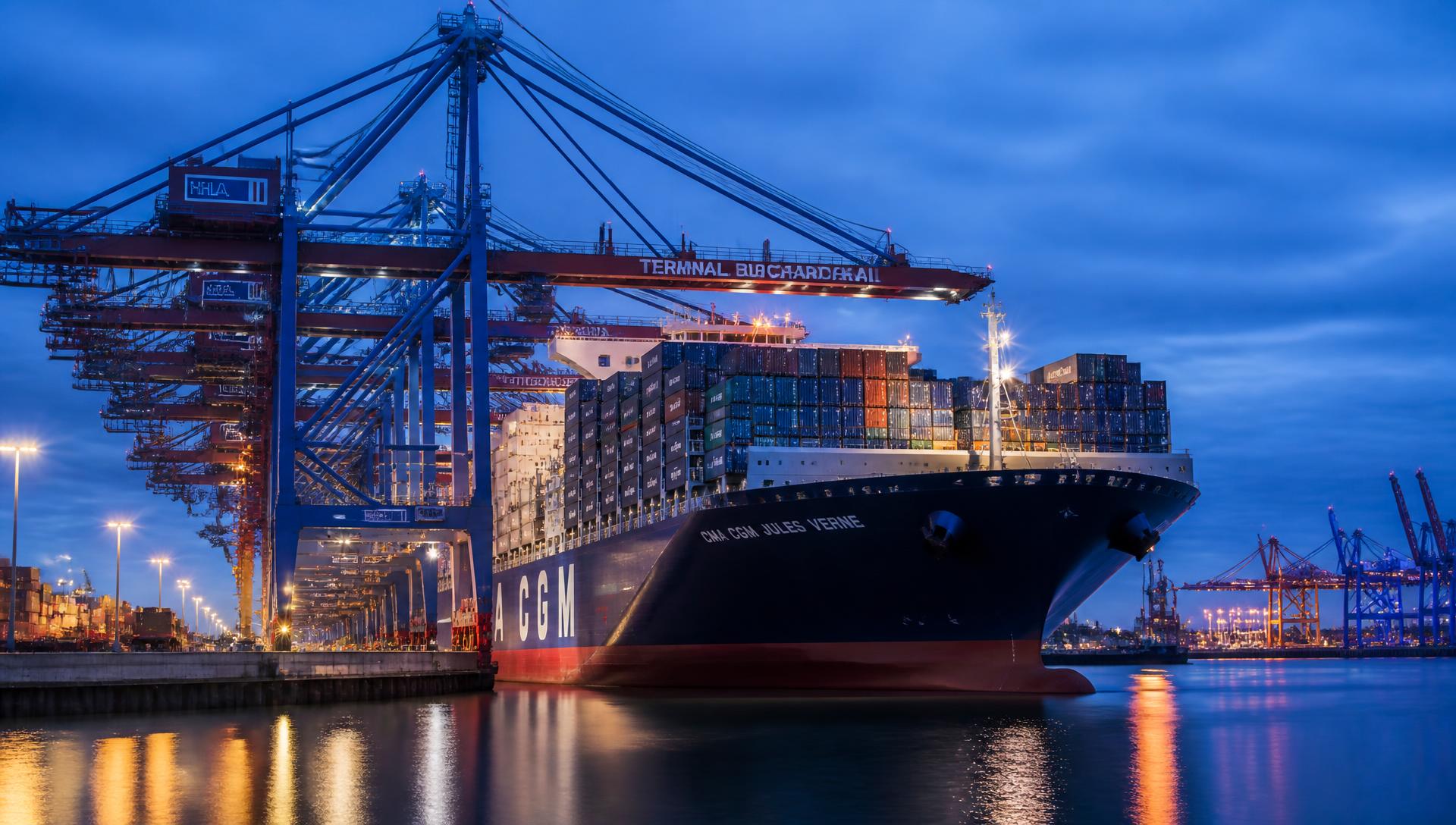

Cotonou holds a special place in West African trade: its port serves not only Benin but also a share of the traffic bound for hinterland countries. For a shipper based in Canada, that means an active, well-served port — but also an environment where advance planning makes all the difference.
This article explains how to organize an ocean shipment from Montreal to Cotonou: which shipping methods exist, how to prepare the cargo, which documents to anticipate, and how to keep the container from sitting idle on arrival. Requirements can vary by destination, carrier, cargo type, and applicable regulations: this guide outlines principles, not definitive customs rules.
Why Cotonou matters to Canadian shippers
Benin is a coastal country whose commercial activity is closely tied to its port. Flows of general cargo, vehicles, and consumer goods are significant. For a Canadian exporter, the appeal is twofold:
- a well-served ocean destination, accessible by full container;
- an active distribution market, particularly for used goods, vehicles, and consumer products.
Available shipping methods
Full container
If your volume justifies it, a full container remains the most straightforward option: loading, sealing, transport, arrival. It's the usual choice for recurring commercial shipments, large volumes of used clothing, or batches of vehicles.
Consolidation
For smaller volumes, consolidation lets you share a container with other shipments. Availability and frequency depend on the current consolidation program to West Africa: confirm before planning.
Choosing the container size
For bulky, lightweight cargo — typically bales of clothing or stacked cartons — a 40-foot High Cube is often the most efficient. For dense cargo, a 20-foot container is enough and avoids paying for unusable capacity. See 20ft, 40ft or 40ft High Cube.
Preparing cargo for Cotonou
A few points deserve extra attention on this route:
- Humidity and heat. The coastal climate is humid. Protect moisture-sensitive goods with desiccant packets, waterproof film, and raised pallets.
- Packaging strength. Cargo will be handled on arrival, sometimes multiple times. Double-wall cartons and careful wrapping are worth the investment.
- Labeling. Mark every package with a number and the consignee's name. A numbered packing list makes verification easier on arrival.
- Document consistency. What's inside the container must match exactly what's declared. Any discrepancy slows the file down.
Documentation to anticipate
Documents generally expected for a commercial shipment include the commercial invoice, a detailed packing list, and the ocean bill of lading. Depending on the nature of the cargo and applicable regulations, additional import documents may be required.
Points to keep in mind:
- import requirements fall under Beninese authorities and may change;
- some categories of goods face specific controls or requirements;
- the declared value must be accurate and verifiable.
Have current requirements confirmed with VELOX Logistics, your consignee, and the relevant authorities before shipping. On the Canadian side, an export declaration may be required depending on the goods: ask us about the CERS export declaration process.
The consignee's role in Cotonou
This is the point most often underestimated. The consignee must:
- be identifiable and reachable, with a working phone number;
- have the necessary documents or release instructions;
- know or find out about applicable local charges;
- be ready to act as soon as the cargo is available, without delay;
- where needed, appoint a local agent to handle formalities.
A container waiting for an unreachable consignee generates storage and demurrage fees. This is the single biggest cause of budget overruns on this type of shipment, and it is entirely preventable with a short phone call before the vessel even sails.
Beyond Cotonou: cargo in transit
Some of the traffic passing through Cotonou is bound for neighbouring or inland countries. If your cargo needs to continue beyond Benin, you'll need to plan for:
- inland haulage;
- additional transit time;
- transit formalities, which depend on the countries crossed.
Our articles on Lomé and Burkina Faso cover comparable situations.
Realistic timeline for a shipment to Cotonou
| Phase | What to plan |
|---|---|
| Preparation | Inventory, packing, packing list |
| Booking | Rate request, choice of method, booking |
| Loading | Pickup, container loading, sealing |
| Terminal | Delivery before the carrier's cut-off |
| Transit | Duration varies by service and stops |
| Arrival | Local formalities, local fees, pickup |
Each phase has its own deadlines, and slippage in one phase can push back every phase that follows. The only deadline you truly cannot make up for is the terminal cut-off.
Common mistakes on this route
- Describing the cargo too vaguely.
- Underestimating arrival fees.
- Not informing the consignee of the schedule.
- Packing too lightly for cargo that will travel for weeks.
- Waiting until the last minute to book during peak demand.
How VELOX supports you to Benin
From Montreal, VELOX Logistics organizes ocean freight to West Africa: analyzing your cargo, choosing between full container and consolidation where available, booking with the carrier, coordinating loading, and providing documentation support. Start a request through the Booking page or reach us via the Contact page.
To move from planning to action, see consolidation Montreal to Cotonou for the full step-by-step process out of Montreal.
FAQ
Can I ship via consolidation to Cotonou?
Availability depends on the current consolidation program. Ask us to confirm for your destination and timeframe.
What are the transit times to Cotonou?
They depend on the ocean service, stops, and operating conditions. No transit time can be guaranteed; the planned routing is shared at booking.
What documents will be required for import into Benin?
Requirements fall under local authorities and may change. Have them verified by your consignee or a local agent before shipping.
Can I ship a vehicle to Cotonou?
Vehicle exporting is a common activity. Requirements on both the Canadian and destination sides must be verified beforehand: see Exporting a Vehicle.
Who pays the arrival fees?
That depends on the agreement between shipper and consignee, formalized through the chosen Incoterm. Clarify this before shipping.
How can I avoid storage fees in Cotonou?
By preparing documents in advance, informing the consignee of the schedule, and arranging pickup as soon as the cargo becomes available.
Can I ship used clothing to Cotonou?
Used clothing is a major flow to West Africa. Import requirements vary by country and must be confirmed: see our Used Clothing page.