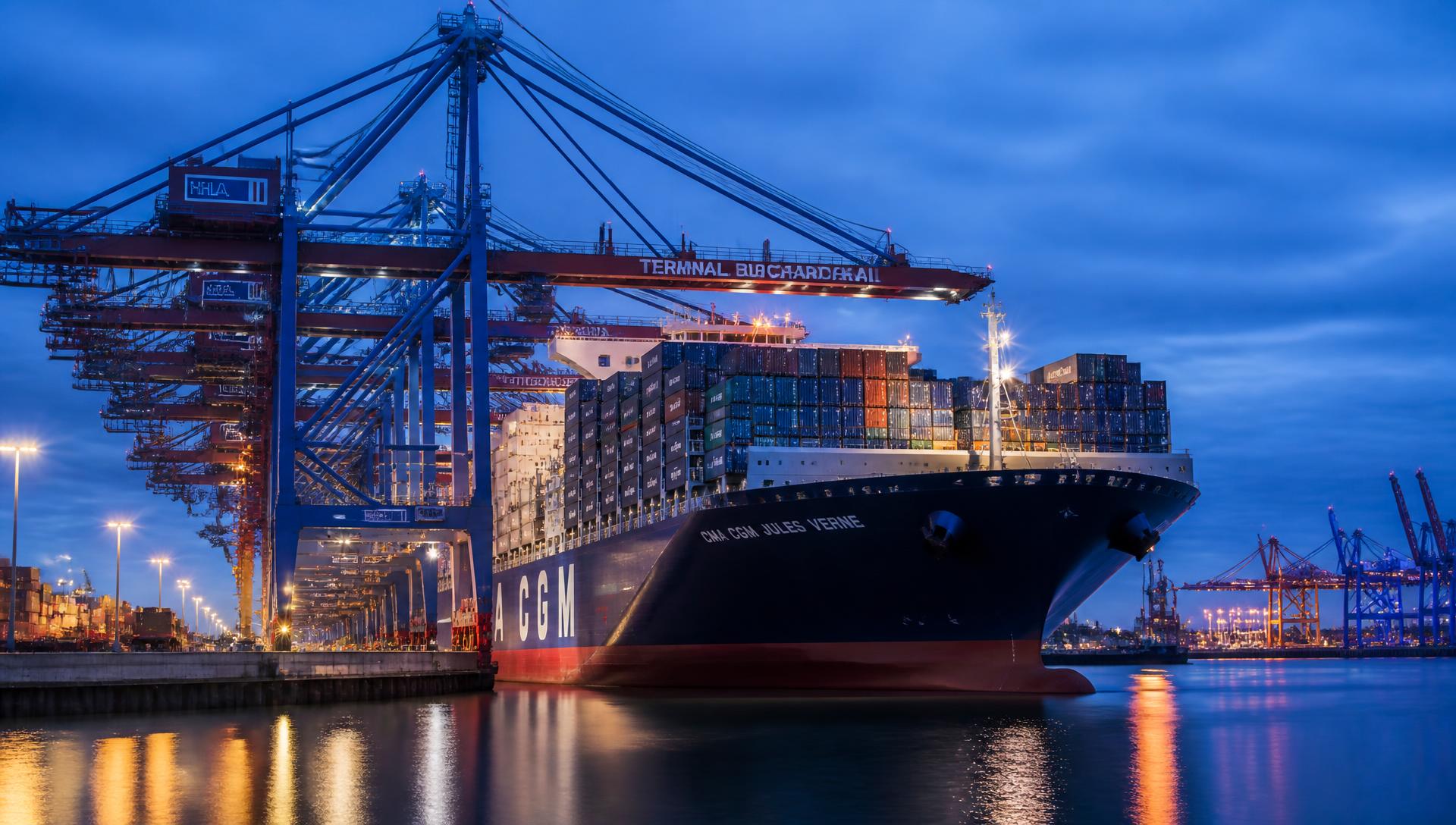

For anyone in Montreal, Laval, Quebec City or Gatineau shipping a container or consolidated cargo to the Democratic Republic of Congo, understanding how the port of Matadi works is essential. Nearly all cargo bound for Kinshasa, and much of western DRC, passes through this river port, located on the Congo River roughly 150 kilometers from the Atlantic mouth.
Unlike a typical ocean port, Matadi has unique characteristics tied to its river location: variable depth, careful vessel maneuvering, and the need for an additional inland or river leg to reach the capital. These factors directly affect timelines and logistics for any shipment, whether a full container or consolidated cargo.
This guide walks through the journey of a shipment step by step, from the vessel's arrival at Matadi to final delivery in Kinshasa, so shippers and consignees know what to expect at each stage.
The Port of Matadi at a Glance
A strategic but demanding location
Matadi is the DRC's main sea port, but its river-based position imposes specific navigation constraints: the channel must be deep enough, and maneuvering large vessels requires close coordination with local pilots.
The mandatory gateway to Kinshasa
Aside from certain regional flows using other corridors, the vast majority of imports bound for Kinshasa pass through Matadi before being trucked or barged to the capital, roughly 350 kilometers away.
Step 1: Vessel Arrival
Piloting and berthing
As a vessel approaches the port, a local pilot takes over to guide the berthing maneuver to the assigned quay. This step can vary in length depending on port traffic and river conditions.
Notifying the parties involved
Once arrival is confirmed, the shipping agent notifies consignees of the vessel's arrival, which officially starts the clock before storage charges begin accruing.
Step 2: Unloading and Handling
Container discharge
Containers are unloaded using available port equipment and placed in temporary storage areas while customs formalities are pending.
Physical inspection at the quay
Certain shipments may undergo a physical inspection as soon as they are unloaded, particularly if their nature or documentation draws extra attention from customs.
Step 3: Customs Formalities
Manifest and declaration filing
The shipping agent files the cargo manifest with port authorities, while the consignee or their broker submits the detailed customs declaration.
Review and duty assessment
The DGDA (Direction Générale des Douanes et Accises) carries out a documentary review, and a physical one if needed, before assessing applicable duties and taxes.
For a deeper look at the documents required specifically for Kinshasa-bound cargo, see our companion guide on customs clearance in Kinshasa via Matadi.
Step 4: Release and Cargo Pickup
Payment and release order
Once duties are paid, customs issues the release order, the document needed to physically remove cargo from the port facilities.
Coordination with the broker
The broker appointed by the consignee coordinates the actual pickup, making sure all port fees are settled to avoid any last-minute holdup.
Table of Steps and Indicative Timing
| Step | Main responsible party | Key element |
|---|---|---|
| Arrival and berthing | Pilot / shipping agent | Notification to consignees |
| Unloading | Port handler | Temporary storage |
| Customs declaration | Consignee / broker | Document filing |
| Review and assessment | DGDA | Duty and tax calculation |
| Release | DGDA | Release order |
| Transport to Kinshasa | Local carrier | Road or river |
Step 5: Onward Transport From Matadi to Kinshasa
Road transport
Most cargo leaves Matadi by truck via the national road connecting the port to Kinshasa, a roughly 350-kilometer trip whose duration depends on road conditions and traffic.
River transport
Some cargo, especially large volumes or shipments less sensitive to time, may instead travel by barge along the Congo River.
Choosing the right mode for the cargo
- Road transport is generally preferred for urgent or fragile goods.
- River transport can suit heavier volumes or shipments less sensitive to timing.
- The choice also depends on carrier availability at the time of release.
Feel free to reach out to us on WhatsApp if you would like to discuss the best onward transport option for your cargo type even before it ships from Montreal.
Step 6: Final Delivery in Kinshasa
Handover to the consignee
Once in Kinshasa, cargo is handed over to the consignee or their representative, typically at a warehouse or delivery point agreed upon in advance with the local carrier.
Checking the cargo's condition
Consignees are advised to inspect the cargo upon receipt and report any issue promptly, particularly if cargo insurance was purchased for the shipment.
Factors That Affect Overall Timelines
Port workload
The number of vessels waiting to berth or unload can extend processing times, especially during periods of heavy commercial activity.
Completeness of the documentation
An incomplete or inaccurate file leads to back-and-forth with customs that delays release, regardless of how quickly unloading happens.
Road conditions between Matadi and Kinshasa
The state of the national road and seasonal conditions can affect the duration of inland transport, a factor worth building into overall shipment planning.
Insurance and Risk Considerations Along the Way
Why cargo insurance matters on this route
Because a Matadi shipment involves multiple handoffs, from vessel discharge to trucking or barging inland, cargo insurance is worth considering for anything of meaningful value. Damage or loss can occur at any handling point, and insurance provides a clear path to compensation rather than a dispute over responsibility.
What to check before shipping
- Confirm whether your shipment is covered door-to-door or only for the ocean leg.
- Ask your forwarder in Montreal what documentation is needed to file a claim if something goes wrong.
- Keep photos and a detailed packing list, since these are often required for any insurance claim tied to inland transport incidents.
Thinking through these details before the container leaves Montreal saves considerable stress if an issue arises later at Matadi or on the road to Kinshasa.
Preparing Your Shipment From Montreal
A well-organized consolidated shipment
A consolidated shipment that is clearly labeled and backed by accurate documentation makes every stage easier, from unloading to final delivery. Our Kinshasa consolidation service handles documentation preparation starting from loading in Montreal.
Coordinating with the local side
Notifying your consignee in Kinshasa as soon as the cargo ships lets them start preparations ahead of time, rather than waiting for the vessel to actually reach Matadi before getting organized.
Building in a time buffer
Since several factors beyond the shipper's control can affect the overall timeline, it is wise to plan a reasonable buffer between shipment date and the desired delivery date in Kinshasa.
Frequently Asked Questions
How long does it take between arrival at Matadi and delivery in Kinshasa?
It depends on several factors, including how quickly customs clearance is completed, transport availability, and road conditions. No fixed timeline can be guaranteed in advance.
Why isn't cargo cleared directly in Kinshasa?
Because Matadi is the official sea entry point: it is where the vessel berths and where customs formalities must be completed before any inland transport begins.
Is transport from Matadi to Kinshasa always by truck?
No, some cargo can be moved by barge along the Congo River, depending on volume and cargo type.
Who arranges the final leg to Kinshasa?
Usually, the broker appointed by the consignee arranges this final segment in coordination with a local carrier.
What happens if my cargo is held for customs inspection?
Work quickly with your broker to provide any additional documents or information requested, to limit storage charges.
Does shipping a full container speed things up compared to consolidated cargo?
Not necessarily: the customs steps are similar, though consolidated cargo sometimes requires extra coordination among several consignees.
Can I track my cargo once it arrives at Matadi?
Yes, generally your broker or local agent can give you updates on customs clearance and transport progress toward Kinshasa.
What documents should I prepare in Montreal to make this process smoother?
The bill of lading, commercial invoice and packing list are the baseline documents to prepare at the point of shipment; our companion piece on Kinshasa customs clearance covers the full file in detail.
Conclusion
Understanding how the port of Matadi works, from vessel arrival through to delivery in Kinshasa, makes it much easier to plan a shipment and anticipate realistic timelines for sea freight to the DRC. Solid documentation prepared in Montreal, combined with close coordination with a reliable partner in the DRC, remains the best way to limit surprises along the way. To plan your next shipment to Kinshasa with full support, visit our Montreal-Kinshasa consolidation page or reach out to us today. Our team can help you decide, before the container even leaves Montreal, whether road or river transport makes more sense for your specific cargo once it clears customs at Matadi.
Further resources
These other guides may help:
- Shipping from Montreal to Matadi (DRC): Container, Consolidation, and Customs
- Customs Clearance in Kinshasa, DRC: What the Consignee Must Prepare for Cargo via Matadi
- The Port of Lomé: West Africa's Transshipment Hub and What It Means for Shippers from Canada
- Send Parcels from Montreal to Kinshasa (DRC) via the Port of Matadi