
The Journey Doesn't End When the Ship Arrives
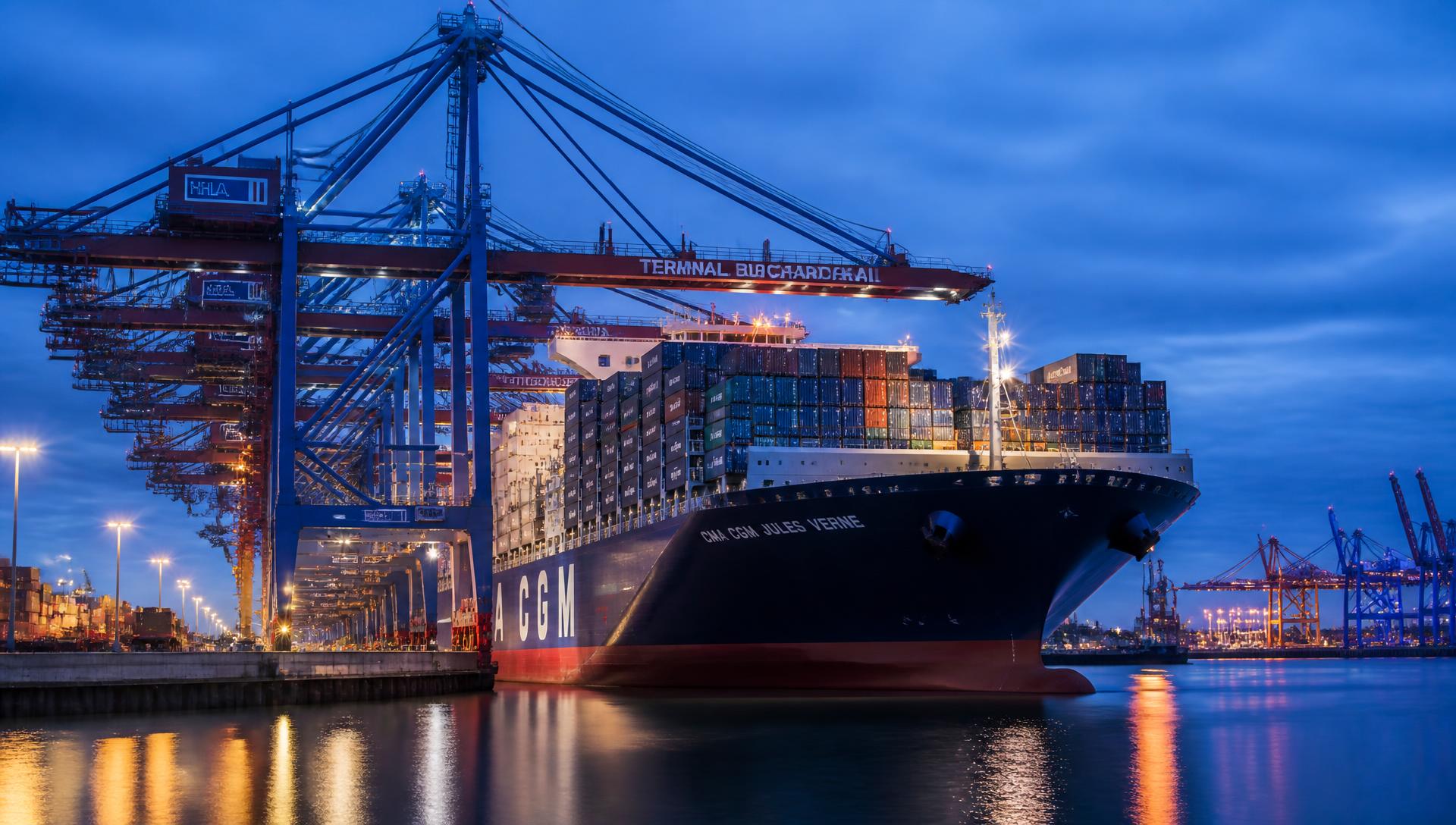
Many importers consider a shipment finished once the vessel docks. In reality, a significant share of the costs and delays occur after arrival, at the destination port. This is also the phase the shipper controls the least — which is exactly why it needs to be prepared before departure.
What Actually Happens on Arrival
Broadly, the sequence looks like this:
- The vessel docks and the container is unloaded at the terminal.
- The manifest is transmitted to local authorities.
- The consignee (or their broker) files the import declaration.
- Duties, taxes and local fees are calculated and paid.
- Customs approves, sometimes after a physical inspection.
- The shipping line releases the container upon presentation of documents and payment of charges.
- The container leaves the port for delivery, then is returned empty.
Each step runs on a clock. Two of them cost money if they drag on.
The Two Meters to Know
Demurrage: beyond a set number of free days, a container held at the terminal generates daily charges.
Storage: fees charged by the port for occupying space.
Both meters run regardless of the reason for the delay. A missing document therefore costs exactly the same as an unexpected inspection.
Preparing Before Departure
Here's what makes the difference, and it's decided in Canada, before loading:
- A properly identified consignee: exact legal name, importer or local registration number, valid contact details.
- A customs broker appointed in advance, with authorization in place.
- Consistent documents: invoice, packing list and bill of lading that all say the same thing (see Essential Ocean Shipping Documents).
- Specific certificates obtained before loading, when the country requires them.
- Funds set aside for duties and local fees, available on arrival — not weeks later.
Sending Documents Early Enough
The bill of lading and commercial documents must be in the consignee's hands before the vessel arrives, not after. On shorter crossings, this window is very tight: original documents sent by courier can arrive after the container itself.
Discuss this at the time of booking: depending on the case, a suitable bill of lading format avoids this problem.
Planning for Inspection
A physical inspection is always possible. It's not necessarily a bad sign, but it takes time and generates handling fees.
What reduces its likelihood and impact:
- an accurate, credible description of the goods;
- a declared value consistent with the nature of the product;
- clearly labelled packing that matches the packing list;
- no undeclared mixing of categories.
Organizing Pickup and Delivery
Before arrival, the consignee should already know:
- who will pick up the container at the port;
- where it will be unloaded and by whom;
- when it will be returned empty;
- how long unloading will take.
A released container with no truck available keeps generating fees. Our destination guides — Cotonou, Lomé, Douala, Matadi — cover local specifics.
Pre-Arrival Checklist
- Documents sent to consignee and broker
- Broker appointed and informed of the estimated arrival date
- Required certificates in hand
- Funds set aside for duties, taxes and local fees
- Inland transport booked at destination
- Unloading location and labour arranged
- Plan for returning the empty container
FAQ
How many free days do we have before demurrage charges apply? This depends on the shipping line, the destination and negotiated terms. It's information to obtain at the time of booking, not on arrival.
Who pays demurrage charges? It depends on the Incoterm and the contract, but in most import setups they fall to the consignee. See Incoterms Explained Simply.
Can local fees be avoided entirely? No. Port and customs clearance fees exist everywhere. What can be avoided are the extra charges caused by delays.
Does VELOX handle customs clearance at destination? Import clearance is carried out locally by the consignee or their broker. We prepare the transport file so this step is as simple as possible.
Conclusion
Fast customs clearance is prepared at departure. If you're shipping from Canada, tell us about your destination and we'll tell you which documents and steps to plan ahead so your container doesn't sit idle at the port.