🚢 Ocean Freight
Which Shipping Line Should You Choose from Montreal to Africa?
Navigating shipping from Montreal to Africa? Discover key shipping lines, container types, and essential export procedures with VELOX Logistics, your Montreal-based freight forwarder.

Which Shipping Line Should You Choose from Montreal to Africa?
Shipping goods from Montreal, Quebec, to the diverse markets of Africa presents both opportunities and complexities. For businesses in Quebec and Ontario looking to expand their reach, selecting the right shipping line Montreal to Africa is a critical decision that impacts cost, transit time, and reliability. At VELOX Logistics, a Montreal-based freight forwarder, we specialize in navigating these intricacies, ensuring your cargo reaches its destination efficiently and securely.
This article will guide you through the essential considerations for your Montreal-to-Africa shipments, highlighting key shipping lines, container solutions, and the vital documentation required for Canadian exports.
Understanding the Montreal to Africa Shipping Lane
The maritime route from Montreal to various African ports is a significant artery for international trade. While direct routes are less common than those to Europe or Asia, most shipments involve transshipment through major hubs in Europe (e.g., Antwerp, Rotterdam, Valencia) before continuing to African destinations. This multi-leg journey requires careful planning and coordination.
Key African destination regions typically include West Africa (e.g., Nigeria, Ghana, Côte d'Ivoire), East Africa (e.g., Kenya, Tanzania), and Southern Africa (e.g., South Africa). Each region has specific port capabilities and logistical considerations.
Major Shipping Lines Serving the Route
Several global shipping lines offer services that connect Montreal to Africa, albeit often with transshipment. Understanding their strengths can help you make an informed choice:
- Maersk: One of the largest container shipping lines globally, Maersk offers extensive network coverage, often with competitive transit times and robust services to numerous African ports through their European hubs.
- MSC (Mediterranean Shipping Company): Another giant in the industry, MSC provides broad coverage, frequently offering multiple service loops and competitive pricing. Their network is particularly strong in West and South Africa.
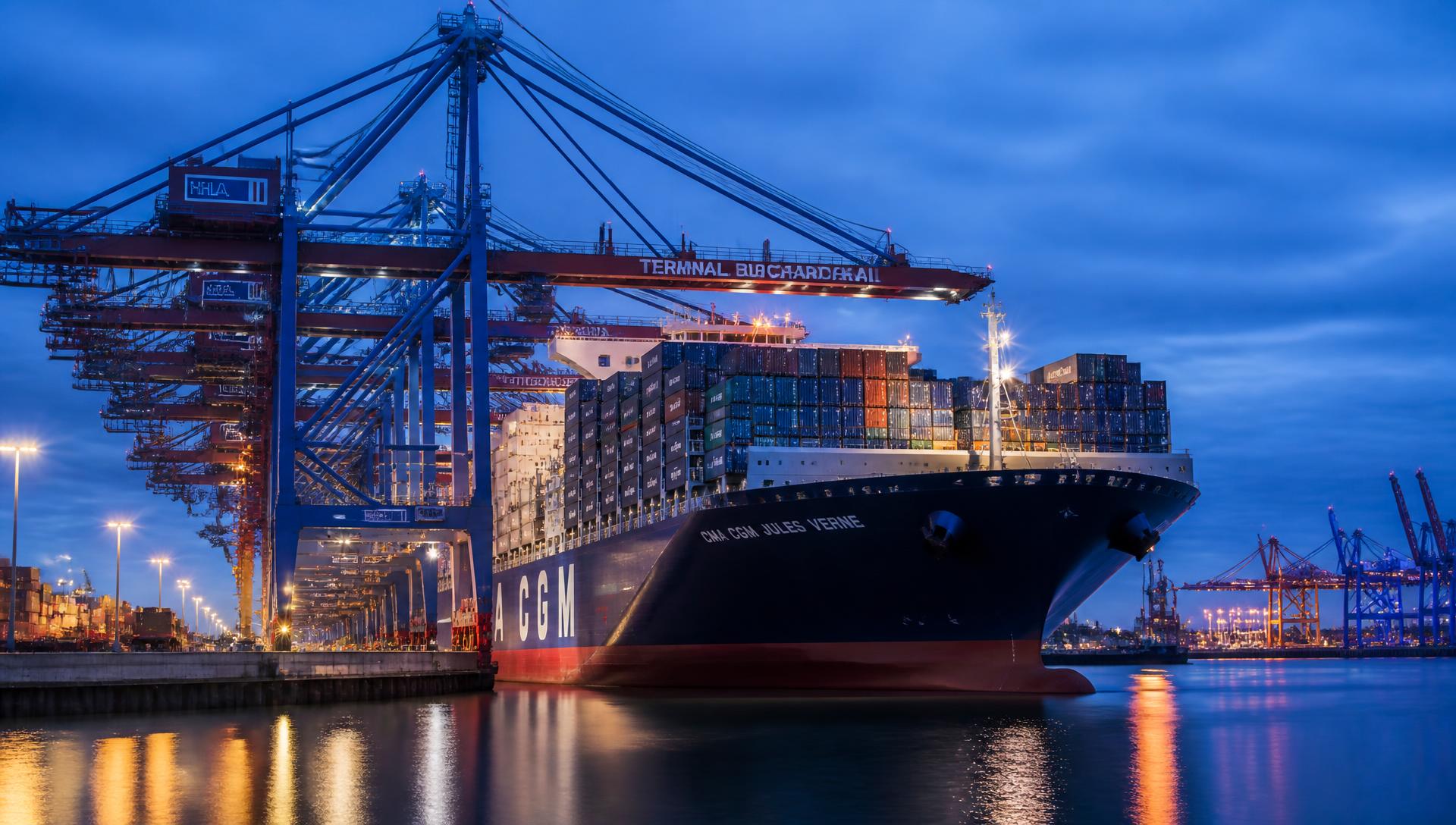
- CMA CGM: A French-based carrier with a significant presence in Africa, CMA CGM offers dedicated services and strong local expertise in many African countries, often providing reliable options for challenging destinations.
- Hapag-Lloyd: Known for its reliability and quality service, Hapag-Lloyd offers consistent schedules and good coverage, particularly for major African ports, often through strategic partnerships.
- ONE (Ocean Network Express): A newer alliance, ONE combines the strengths of several Asian carriers, offering competitive services and increasing frequency to various African regions.
When evaluating these carriers, VELOX Logistics focuses on their schedule reliability, transit times, equipment availability in Montreal, and their network reach in Africa. Our expertise allows us to recommend the best fit for your specific cargo and destination.
Container Solutions from Montreal
VELOX Logistics exclusively provides container-based shipping solutions for exports from Montreal. Our focus is on secure, efficient, and versatile containerized freight.
Standard Container Types and Dimensions
The most common container types for shipping from Montreal to Africa are:
-
20-foot Dry Van (20' DV):
- External Dimensions: 20 ft (L) x 8 ft (W) x 8 ft 6 in (H)
- Internal Dimensions: 19 ft 4 in (L) x 7 ft 8 in (W) x 7 ft 9 in (H)
- Cubic Capacity: Approximately 1,172 cubic feet (33.2 cubic metres)
- Max Gross Weight: Typically around 52,910 lbs (24,000 kg), but payload capacity varies by shipping line and local road weight limits (often 48,000 lbs / 21,770 kg payload for road transport).
- Use: Ideal for smaller shipments, dense cargo, and when flexibility in delivery is required.
-
40-foot Dry Van (40' DV):
- External Dimensions: 40 ft (L) x 8 ft (W) x 8 ft 6 in (H)
- Internal Dimensions: 39 ft 5 in (L) x 7 ft 8 in (W) x 7 ft 9 in (H)
- Cubic Capacity: Approximately 2,389 cubic feet (67.7 cubic metres)
- Max Gross Weight: Typically around 57,320 lbs (26,000 kg), but payload capacity often limited to 48,000 lbs (21,770 kg) for road transport.
- Use: Suitable for larger volume shipments, lighter but bulky goods, and cost-effective for more cargo.
-
40-foot High Cube (40' HC):
- External Dimensions: 40 ft (L) x 8 ft (W) x 9 ft 6 in (H)
- Internal Dimensions: 39 ft 5 in (L) x 7 ft 8 in (W) x 8 ft 9 in (H)
- Cubic Capacity: Approximately 2,694 cubic feet (76.3 cubic metres)
- Max Gross Weight: Similar to 40' DV, around 57,320 lbs (26,000 kg), with payload limits for road transport.
- Use: Perfect for light, voluminous cargo that requires extra height, maximizing space utilization.
We also handle specialized containers like Open Tops or Flat Racks for oversized cargo, and Reefer containers for temperature-sensitive goods, subject to availability and specific requirements for African destinations.
Full Container Load (FCL) vs. Less Than Container Load (LCL)
-
FCL (Full Container Load): When your cargo volume is sufficient to fill an entire container, even if not to its maximum weight capacity. This offers dedicated space, often faster transit times, and reduced handling. It's generally more cost-effective per unit for larger shipments.
-
LCL (Less Than Container Load): For smaller shipments that don't require an entire container. Your cargo is consolidated with other shippers' goods into one container. VELOX Logistics offers robust LCL consolidation services from Montreal, providing a flexible and economical option for smaller volumes. Learn more about our consolidation services.
Realistic Transit Times and Costs
Shipping from Montreal to Africa is a significant logistical undertaking, and transit times can vary considerably based on the destination port, the chosen shipping line, and potential transshipment points.
Indicative Transit Times
- West Africa (e.g., Lagos, Tema, Abidjan): Typically 35-55 days from vessel departure Montreal, including transshipment time in Europe. This can vary based on specific port rotations and unforeseen delays.
- East Africa (e.g., Mombasa, Dar es Salaam): Often 45-65 days, involving longer sea legs and potentially multiple transshipment points.
- Southern Africa (e.g., Durban, Cape Town): Generally 40-60 days, with good connections often via European hubs.
These are port-to-port estimates. Door-to-door transit times will be longer, accounting for local trucking, customs clearance, and delivery at origin and destination.
Cost Factors and Ranges
Shipping costs are highly dynamic and influenced by numerous factors:
- Freight Rate: The base cost charged by the shipping line, which fluctuates based on supply/demand, fuel costs (Bunker Adjustment Factor - BAF), and currency exchange rates.
- Origin Charges (Montreal): Includes terminal handling charges (THC), documentation fees, security fees, and drayage (trucking) from your facility to the Montreal port.
- Destination Charges (Africa): Similar to origin charges, these include destination THC, customs clearance fees, and local delivery within Africa.
- Customs Duties and Taxes: Levied by the importing country's government, these vary widely by commodity and destination.
- Insurance: Highly recommended to protect against loss or damage.
Due to these variables, providing exact prices here is not feasible. However, as an indicative range for a 20-foot container from Montreal to a major West African port, you might expect total ocean freight and basic origin/destination charges to be anywhere from CAD 4,500 to CAD 8,000+. For a 40-foot container, this could range from CAD 6,500 to CAD 11,000+, depending heavily on market conditions and the specific destination. LCL shipments are calculated per cubic metre or per 1,000 kg, whichever yields a higher cost.
To get an accurate and free quote tailored to your specific shipment, including door-to-door or port-to-port services, please contact VELOX Logistics. Our team provides transparent pricing and detailed breakdowns.
Essential Canadian Export Formalities
Navigating Canadian export regulations is crucial for smooth transit. VELOX Logistics assists clients in Quebec and Ontario with these requirements.
1. Canada Export Reporting System (CERS) / CBSA Export Declaration
- Requirement: For most commercial goods valued at CAD 2,000 or more, or controlled, regulated, or prohibited goods (regardless of value), an export declaration must be filed with the Canada Border Services Agency (CBSA) through the CERS portal.
- Purpose: To provide the Canadian government with information about goods leaving the country for statistical purposes, to ensure compliance with export controls, and for national security.
- Timing: The declaration must be filed before the goods depart Canada.
- VELOX Role: We can guide you through this process or, with proper authorization, file on your behalf.
2. Bill of Lading (B/L)
- Purpose: The B/L is a crucial legal document that serves three main functions:
- Contract of Carriage: It's an agreement between the shipper and the carrier outlining the terms of transportation.
- Receipt of Goods: It confirms that the carrier has received the goods in good condition.
- Document of Title: It confers ownership of the goods to the party holding the original B/L (for 'negotiable' or 'order' bills).
- Types: 'Straight' B/L (non-negotiable, consigned to a specific party) and 'Order' B/L (negotiable, can be endorsed to transfer ownership).
- VELOX Role: We prepare and issue the Bill of Lading based on your instructions and the carrier's requirements, ensuring all details are accurate.
3. Commercial Invoice
- Purpose: This document is essential for customs clearance in the destination country. It provides a detailed record of the transaction between the exporter and importer.
- Key Information: Must include:
- Seller's and Buyer's full names and addresses
- Date and invoice number
- Detailed description of goods (including quantity, unit price, total value)
- Harmonized System (HS) codes for each item
- Terms of sale (Incoterms)
- Currency of transaction
- Country of origin of the goods
- VELOX Role: We advise on the necessary details to include and ensure your commercial invoice meets international shipping standards.
4. Packing List
- Purpose: Complements the commercial invoice by providing specific details about the contents of each package/container.
- Key Information: Includes marks and numbers on packages, type of package, quantity, gross weight, net weight, and dimensions of each package.
- VELOX Role: We emphasize the importance of an accurate packing list for efficient customs inspection and cargo handling.
5. Other Potential Documents
Depending on the nature of your goods and the destination country in Africa, you might also need:
- Certificate of Origin: Confirms the country where the goods were manufactured, often required for preferential trade agreements.
- Phytosanitary Certificates: For agricultural products.
- Health Certificates: For food or animal products.
- Inspection Certificates: Required by some African nations (e.g., pre-shipment inspection).
- Permits/Licenses: For controlled goods (e.g., firearms, dual-use items) or specific import regulations in Africa.
Our team stays updated on these requirements and will advise you accordingly for your specific shipments.
Choosing VELOX Logistics as Your Freight Forwarder
Partnering with an experienced freight forwarder like VELOX Logistics simplifies the complex process of shipping from Montreal to Africa. Here's what we offer:
Expertise and Network
We possess an in-depth understanding of the Montreal port operations and the intricacies of international shipping lanes to Africa. Our relationships with major shipping lines ensure that we can secure competitive rates and reliable services, even for challenging destinations.
Comprehensive Services
From the moment your goods leave your facility in Quebec or Ontario to their arrival at the African port, we manage every step. Our services include:
- Container Booking from Montreal: We handle all aspects of booking the right container type with the optimal shipping line. Explore our container booking services.
- Inland Transportation: Arranging efficient trucking from your location to the port of Montreal.
- Container Loading and Securing: Ensuring your cargo is properly loaded and secured within the container to prevent damage during transit. Learn more about our container loading services.
- Documentation Management: Preparing and verifying all necessary export documents.
- Customs Clearance Assistance: Guiding you through Canadian export customs formalities.
- Cargo Tracking: Providing updates on your shipment's journey.
- LCL Consolidation: For smaller shipments, offering cost-effective shared container space.
Commitment to Transparency and Communication
We believe in clear, proactive communication. You'll be kept informed at every stage of your shipment, with no hidden fees or surprises. Our goal is to make your international shipping experience as smooth and predictable as possible.
Why Montreal is Your Departure Point
As a Montreal-based freight forwarder (6135 boul. Couture, Saint-Léonard, QC H1P 3G7), all our international container departures originate from the Port of Montreal. This strategic location offers direct access to the Atlantic Ocean via the St. Lawrence Seaway, making it an efficient gateway for Canadian exports. While our clients may be located across Quebec and Ontario, the consistent departure point from Montreal ensures streamlined logistics and focused expertise.
Next Steps: Getting Your Goods to Africa
When considering shipping goods from Montreal to Africa, the choice of shipping line, container type, and diligent management of export formalities are paramount. VELOX Logistics is your trusted partner, offering professional, clear, and conversion-oriented solutions.
We encourage you to discuss your specific shipping requirements with us. Whether you're sending manufactured goods, agricultural products, or machinery, we're here to provide tailored logistical strategies.
If you have goods you wish to export, please submit them for evaluation. We do not promise to buy inventory, but we excel at getting your cargo to its international destination.
Ready to get started? Request a free, no-obligation quote today. Visit our booking page or call us directly. Our team is ready to answer your questions and provide the expert guidance you need for a successful shipment from Montreal to Africa.
Frequently asked questions
What are the main challenges when shipping to Africa from Montreal?
The main challenges include longer transit times due to transshipment, varying customs regulations and infrastructure at African ports, and potential political or economic instability in certain regions. Working with an experienced freight forwarder like VELOX Logistics helps mitigate these risks.
Can VELOX Logistics handle all customs documentation for me?
VELOX Logistics can assist and guide you through the preparation of all required Canadian export documentation, including filing the CERS export declaration on your behalf with proper authorization. We ensure your commercial invoice and packing list meet international standards.
How are shipping costs calculated for LCL shipments to Africa?
LCL shipping costs are typically calculated based on the volume (cubic metres) or the weight (1,000 kg) of your cargo, whichever yields a higher charge, plus various surcharges and origin/destination fees. This method ensures fair pricing for smaller shipments.
What is the typical lead time to book a container from Montreal to Africa?
It is advisable to book your container at least 2-3 weeks in advance of your desired vessel departure date. This allows sufficient time for container positioning, cargo loading, documentation processing, and unforeseen port delays, especially during peak seasons.
How can I track my shipment once it leaves Montreal?
VELOX Logistics provides cargo tracking updates once your shipment is on its way. We leverage the tracking systems of the shipping lines to keep you informed about your container's location and estimated arrival times at each leg of its journey to Africa. You can also reach us via phone/WhatsApp at +1 514-718-0282 for direct assistance.
Further resources
These other guides may help: