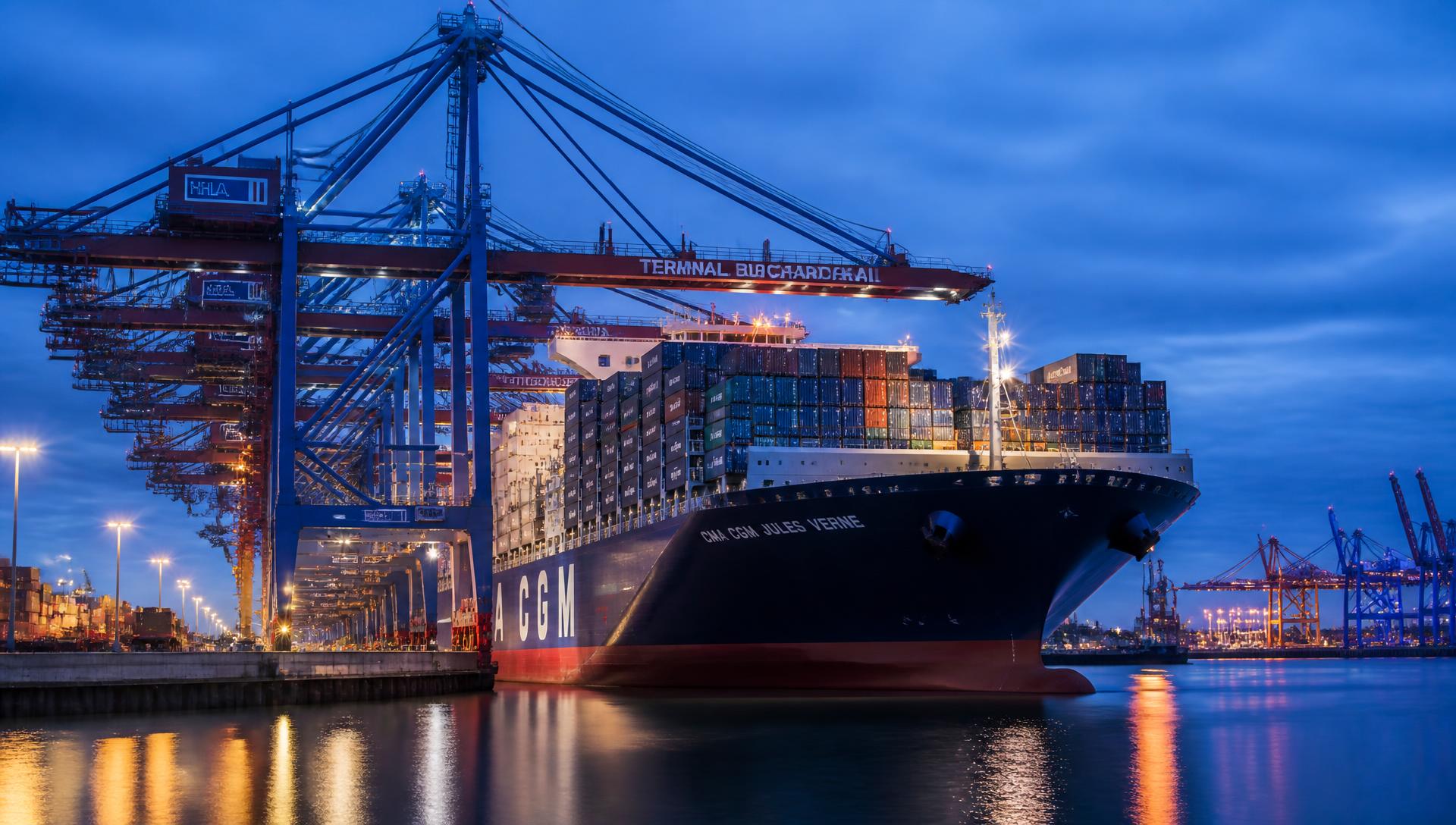

Lomé has established itself as one of the most dynamic maritime platforms in West Africa. Its location and infrastructure make it a frequent call on services serving the Gulf of Guinea, which directly benefits Canadian shippers: the more a destination is served, the more sailing and routing options are available.
This guide explains how to organize a shipment from Montreal to Lomé: choosing the right method, preparing cargo for the local climate and handling conditions, anticipating documentation, and coordinating with your consignee. As with any destination, requirements can vary by carrier, cargo type, and applicable regulations; they must be confirmed before shipping.
What defines the Canada–Lomé route
Three things to keep in mind:
- Regular service. A frequently called port offers more sailing choices, which helps when working against a tight schedule.
- A hub role. Some of the traffic passing through Lomé is bound for other countries in the region, including landlocked ones. If your cargo needs to continue its journey, planning inland transport becomes a core part of the project.
- A busy port environment. High activity levels call for discipline on deadlines and quick response on arrival.
Choosing your shipping method
Full container
Recommended once your volume approaches a container's usable capacity. Benefits: a single handling point, one seal, a simple file. It's the usual method for recurring commercial shipments.
Consolidation
For smaller volumes, consolidation shares a container among several shipments. Availability to Togo depends on the current consolidation program: confirm at the time of your request.
Which container size?
The logic remains volume versus weight. Light, bulky cargo: a 40-foot High Cube usually works better. Dense cargo: a 20-foot container avoids paying for unusable space. Details in 20ft, 40ft or 40ft High Cube.
Cargo preparation: the specifics
- Humid tropical climate: protect cartons and textiles from moisture; avoid direct contact with the floor.
- Handling on arrival: favour reasonably sized packages that can be handled without heavy equipment if needed.
- Palletizing: useful for uniform lots, but check that the pallet doesn't unnecessarily reduce usable volume.
- Marking: continuous numbering and the consignee's name on every package.
- Consistency: the packing list must exactly reflect the actual contents.
Documentation and formalities
For a commercial shipment, prepare the commercial invoice, packing list, and ocean bill of lading. Depending on the cargo, additional import documents may be required. These requirements fall under Togolese authorities and may change: have them confirmed by your consignee or a local agent.
On the Canadian side, an export declaration may be required depending on the goods and their value — ask us about the CERS export declaration process. Always verify current requirements with the Canada Border Services Agency before exporting.
Preparing to receive cargo in Lomé
A shipment's success is often decided on arrival. Make sure your consignee:
- knows the planned schedule and file references;
- has the necessary documents or instructions;
- has identified the applicable local charges;
- knows who will handle local formalities;
- can act quickly once the cargo is available.
Free-time periods are limited, and they typically start counting the moment the container becomes available, not the moment someone notices it. Beyond that window, storage, demurrage, or detention fees may apply — see our article on shipment costs.
Goods commonly shipped to Togo
Without generalizing, certain flows are particularly common on this route:
- Used clothing in bales: a well-established sector with professional buyers. See our Used Clothing page and the article How to Export Used Clothing.
- Vehicles: exporting used vehicles from North America is a well-established activity. See Exporting a Vehicle.
- Consumer goods and equipment: appliances, furniture, parts, tools.
- Personal effects: family shipments, often via consolidation.
Each category has its own import requirements, restrictions, and paperwork, and they must be checked separately rather than assumed to be the same across product types.
If cargo continues beyond Togo
Lomé also serves as an entry point to inland destinations. In that case:
- inland transport from the port becomes a separate step, with its own cost and timeline;
- transit formalities depend on the countries crossed;
- coordination between the forwarder, the trucking company, and the final consignee becomes essential.
Our article How to Ship to Burkina Faso details this logic for a landlocked country.
Pre-shipment checklist
- Final destination confirmed (city, not just country).
- Method chosen: full container or consolidation.
- Actual volume and weight measured, not loosely estimated.
- Packaging suited to climate and handling.
- Numbered packing list matching the invoice.
- Import requirements verified locally.
- Consignee informed and ready to act.
- Terminal cut-off noted on the schedule.
To move from planning to action, see consolidation Montreal to Lome for the full step-by-step process out of Montreal.
FAQ
Is consolidation available to Lomé?
It depends on the current consolidation program to West Africa. Ask us to confirm for your shipping period.
How long does transit to Lomé take?
Duration depends on the service, number of stops, and operating conditions. Planned routing is shared at booking, with no guaranteed arrival date.
What are the customs requirements in Togo?
They fall under Togolese authorities and can change. They must be verified locally before each shipment.
Can I ship several types of goods in the same container?
Yes, in most cases, provided everything is correctly declared and the goods are compatible with one another.
How are destination fees handled?
They're billed locally, and who covers them depends on the agreed Incoterm. Clarify this with your consignee before shipping.
Can VELOX arrange transport from another Canadian city?
Inland transport to the loading point can be arranged depending on origin and cargo. Specify your city when submitting your request.
How do I get started?
Send us your destination, cargo details, volume, weight, and readiness date via the Booking page.