
The Main Risk Isn't Transport, It's the Merchandise
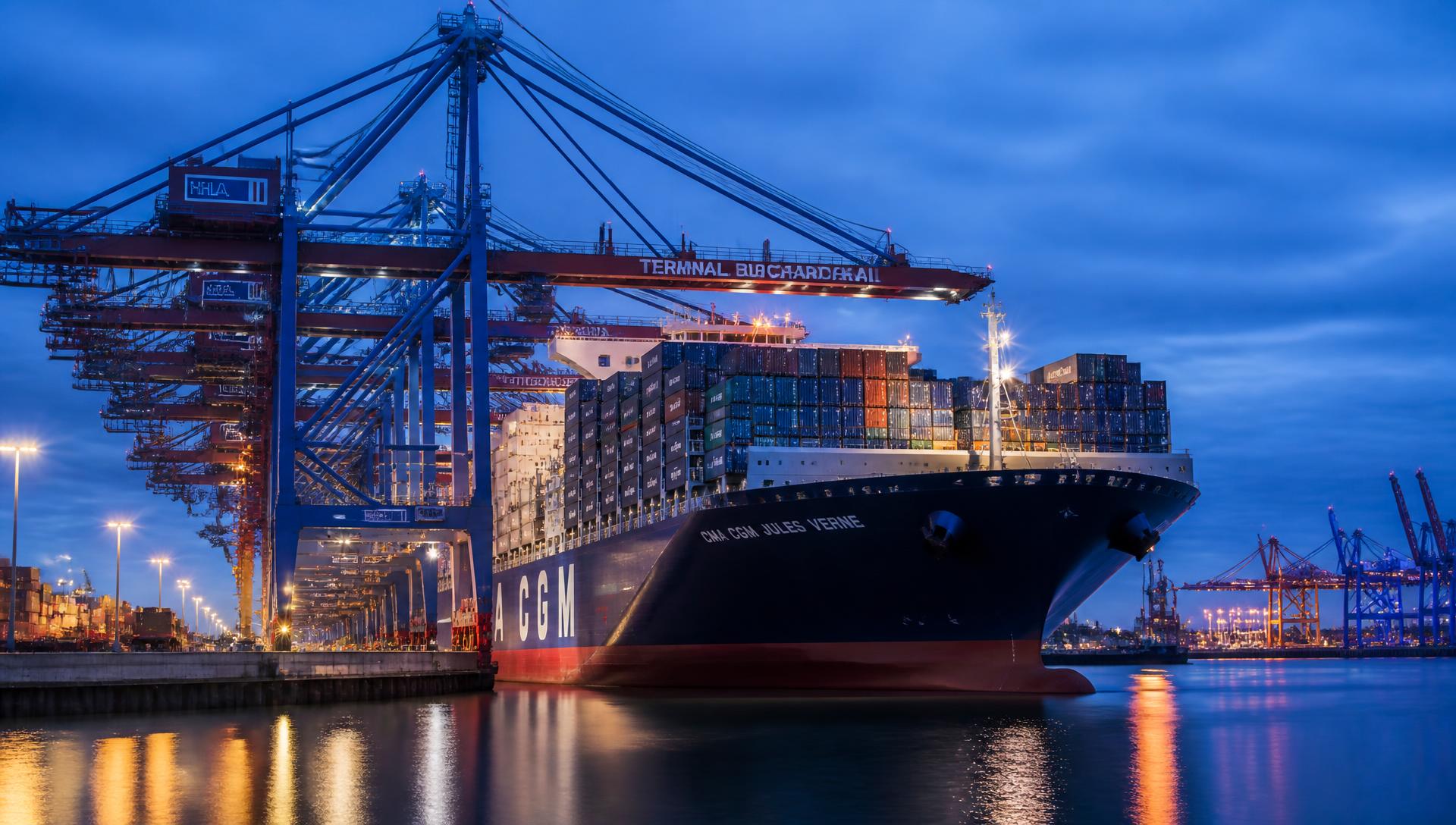
On a container purchase, transport is well structured: there's a booking, a bill of lading, a vessel, set dates. The least structured part is the merchandise itself. That's where the risk is concentrated.
This guide lists the checks we recommend to our clients before sending payment for a lot destined for a container.
1. Confirm the Seller Actually Exists as a Business
Ask for:
- the full legal name of the company;
- a verifiable physical address;
- a business or registration number;
- a website or professional presence consistent with the stated activity.
A serious business provides these details without hesitation. An address that doesn't exist, or that matches a residence, deserves further questions.
2. Require a Written Description of the Lot
A lot should be described with:
- the exact nature of the products;
- condition (new, returned, surplus, used, grade);
- quantities by category;
- estimated weight and volume;
- sale format and minimum order quantity.
This description must then appear, word for word, on the commercial invoice and the packing list. Any discrepancy is a documentation problem waiting to happen at customs.
3. Ask for Dated Proof
Generic photos and videos prove nothing. Ask for:
- photos of the actual lot, in the warehouse where it's stored;
- a continuous video of the lot, not a series of isolated images;
- a visible, dated element if possible;
- a physical sample when the category allows it.
On large volumes, an on-site inspection — by you or a third party — remains the strongest verification.
4. Look at the Payment Terms
Payment terms say a lot about a seller.
Reassuring signals: a reasonable deposit, a balance due at defined milestones, traceable bank payment, a proper invoice.
Red flags: demand for full payment upfront, insistence on untraceable payment methods, refusal to issue an invoice in your company's name, changing bank details mid-transaction.
5. Check Whether the Price Makes Sense
A price significantly below market is information, not a bargain. It can have a legitimate explanation (end of season, downgrade, liquidation) — but that explanation should be given and verifiable.
Always rebuild your full landed cost, as explained in Calculating Container Profitability. A low price on unusable merchandise is still a loss.
6. Confirm Who Does What in Transport
Before paying, you need to know precisely:
- who loads the container;
- who pays for inland transport to the loading point;
- at what point responsibility transfers to you;
- who provides the export documents.
This is the role of Incoterms. Our article Incoterms Explained Simply covers the terms most commonly used in ocean shipping.
7. Check Restrictions at Destination
Some products are restricted or banned from import depending on the country: regulated categories, used goods subject to conditions, pre-shipment inspection requirements. This check happens before you buy. Once the vessel has sailed, your options become costly.
Pre-Payment Checklist
- Seller's legal identity confirmed
- Written, detailed lot description
- Visual proof of the actual lot
- Commercial invoice and packing list consistent
- Traceable, staged payment terms
- Incoterm and responsibilities clarified
- Destination regulations verified
- Transport plan and schedule confirmed
FAQ
Should a lot always be inspected? The higher the amount and the less known the seller, the more an inspection is justified. On a first purchase from a new supplier, it's strongly recommended.
Is a 30% deposit normal? A partial deposit is common in wholesale trade. What's abnormal is a demand for full payment before any verification.
How can I protect myself against a non-conforming lot? Through written documentation, dated proof, staged payments and, where possible, an independent inspection before loading.
Does VELOX vet suppliers? We don't certify third-party sellers, but we tell you which documents and transport steps need to be in place, and we publish our own lots on the wholesale products page.
Conclusion
A serious vetting process takes a few days; a non-conforming container costs months. Document everything, demand proof, stage your payments, then talk to us about transport once the merchandise is confirmed.
Go further
These other guides may help: