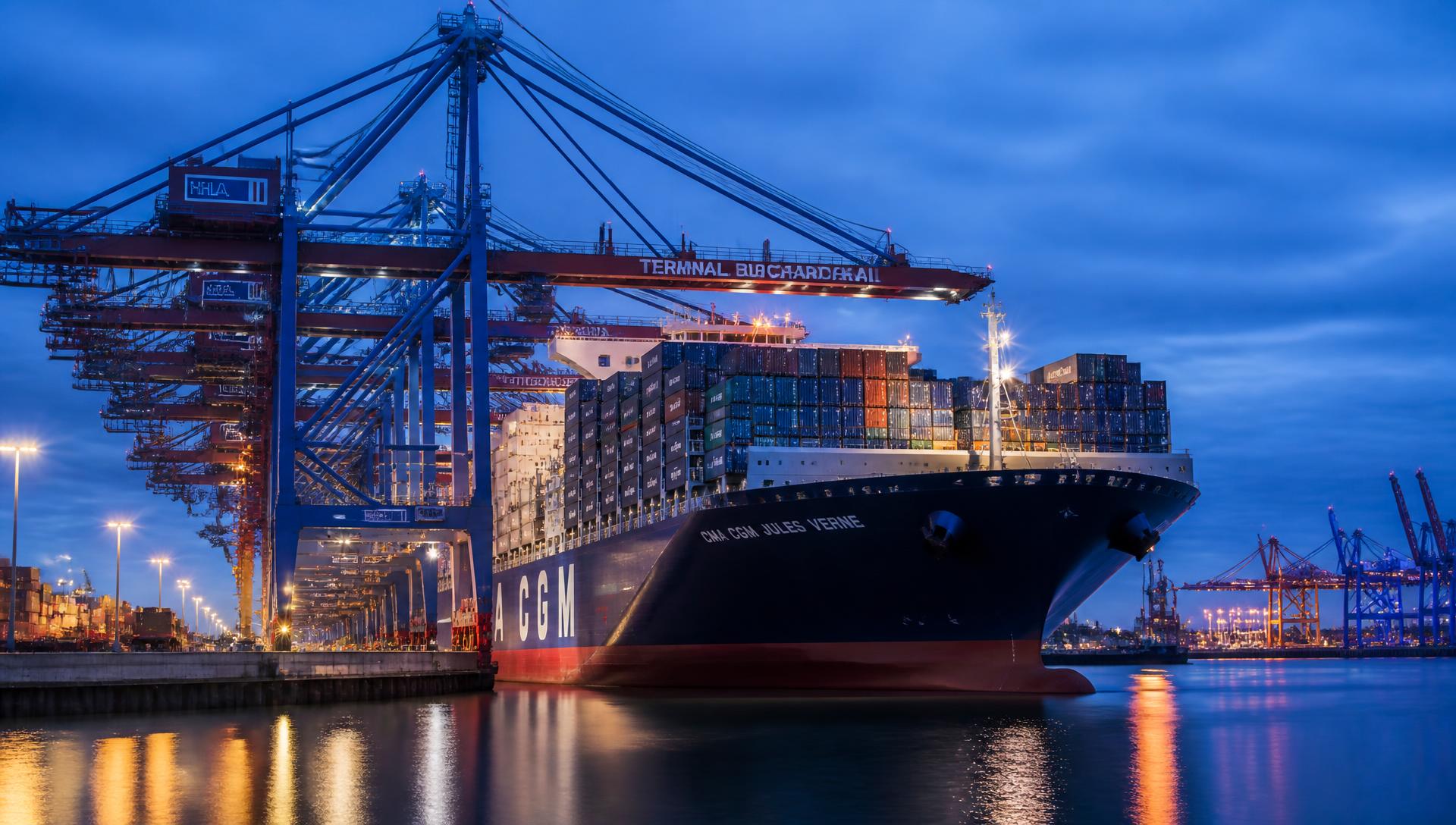

Buying by Container Means Buying Volume and Time
Buying wholesale goods by the container is not the same operation as buying pallets or boxes. You're committing to a larger volume, an ocean transit time, and a full documentation chain. In exchange, the per-unit cost drops significantly, because freight is spread across far more units.
This guide describes how a container purchase actually unfolds when shipping out of Canada, as we see it at VELOX Logistics.
Step 1 — Define Precisely What You're Buying
A wholesale lot is always described by the same elements:
- The nature of the product and its brand or category.
- The condition: new, customer return, surplus, downgraded, used.
- The sale format: by unit, by case, by lot, by pallet, by container.
- Available quantity and minimum order quantity.
- The origin of the goods.
Until these five points are spelled out in writing, you don't have an offer — you have an intention. Our wholesale products and container deals listings always specify these elements.
Step 2 — Understand What "Full Container" Means for Price
The listed price of a lot doesn't yet tell you your real cost. You need to add:
- Inland transport to the loading point;
- Loading and lashing;
- Ocean freight to the destination port;
- Port and customs clearance fees on arrival;
- Local duties and taxes;
- Final delivery.
It's the sum of all this, divided by the number of sellable units, that determines whether the deal is actually good. A cheap lot poorly loaded can end up costing more per unit than a slightly pricier, well-optimized one.
Step 3 — Choose the Right Container Type
For most general cargo, the choice is between a 20-foot, a 40-foot, and a 40-foot High Cube. The 20-foot suits dense, heavy goods; the 40-foot and High Cube suit bulky, lighter goods.
We cover this decision in detail in 20ft, 40ft or High Cube: Which Container Should You Choose.
The right approach: start from your lot's volume and weight, not from habit.
Step 4 — Verify the Goods Before Paying
On a container purchase, inspection isn't a luxury. Points to cover:
- A written description of the contents, with quantities by category.
- Photos or videos of the actual lot, not generic stock images.
- A sample, when the nature of the product allows it.
- A packing list consistent with the commercial invoice.
If the seller refuses to document the lot, treat that refusal as information about the lot.
Step 5 — Arrange Transport
This is where the purchase becomes a shipment. You need to:
- Book vessel space (booking) with a realistic timeline;
- Have the container loaded and sealed;
- Receive the bill of lading;
- Prepare the documents for the destination.
Our article Booking an Ocean Container from Montreal walks through the booking process step by step.
Step 6 — Plan for Customs Clearance at Destination
Every country has its own rules on imported goods: some categories are restricted, others require a certificate or a pre-shipment inspection. Verify these requirements before buying, not after the vessel has sailed.
Local fees, meanwhile, are paid on arrival. They're part of your cost, even though they won't appear on your purchase invoice.
Common Mistakes New Buyers Make
- Calculating margin on the purchase price alone, forgetting freight and local fees.
- Buying a lot whose exact composition is unknown.
- Paying the full amount before any verification.
- Underestimating transit time and arriving off-season.
- Neglecting documentation, then facing demurrage fees at the port.
FAQ
What's the minimum budget for a container purchase? It depends entirely on the product category and container type. It's most useful to start from your resale market, then work back to a volume that makes sense.
Can you buy less than a full container? Yes, depending on destination, through our consolidation service, which allows shipping partial volumes.
Who handles customs clearance on arrival? Usually a local broker or the consignee. We tell you which documents to provide so this step goes smoothly.
Does VELOX also sell lots? We publish lots and container deals on our wholesale products page, in addition to our transport services.
Conclusion
A successful container purchase rests on three things: a precise lot description, a complete cost calculation, and a transport plan booked early enough. Contact our team with your product, volume and destination, and we'll confirm feasibility before you commit any money.
Related guides
See also: