💼 Entrepreneurship
How to Start a Thrift Store With Clothing Bales
Starting a thrift store using clothing bales involves a structured approach, beginning with market research and business planning, followed by sourcing quality used clothing bales, establishing…

How to Start a Thrift Store With Clothing Bales
Starting a thrift store using clothing bales involves a structured approach, beginning with market research and business planning, followed by sourcing quality used clothing bales, establishing efficient logistics for shipping from Montreal, and setting up retail operations. This business model leverages the circular economy, offering affordable apparel to consumers while requiring careful consideration of inventory quality, supply chain management, and regulatory compliance. Success hinges on understanding your target market, securing reliable suppliers, and optimizing the flow of goods from procurement to retail.
Understanding the Used Clothing Bale Business Model
The used clothing bale business model is founded on acquiring large quantities of sorted, compressed used clothing, typically sourced from collection centres or textile recyclers. These bales are categorized by type, quality, and sometimes seasonality or gender, allowing thrift store owners to purchase inventory tailored to their market. This method offers significant cost advantages over purchasing new garments, enabling higher profit margins and a diverse product offering. However, it also introduces challenges related to inventory consistency, quality control, and the logistics of handling large volumes of goods.
Advantages of Sourcing Clothing in Bales
Sourcing clothing in bales provides several key benefits for thrift store operators:
- Cost-Effectiveness: Bales offer a lower per-item cost compared to purchasing individual garments or smaller, pre-sorted lots. This allows for competitive pricing and wider profit margins.
- Volume and Variety: Bales contain a substantial quantity of items, ensuring a consistent supply of inventory. They also offer a diverse range of clothing styles, sizes, and brands within a single purchase.
- Logistical Efficiency: Bales are designed for efficient storage and transportation, optimizing space within containers and warehouses. For international shipping from Montreal, this efficiency is paramount.
- Environmental Impact: By utilizing used clothing, thrift stores contribute to textile waste reduction and promote sustainable consumption, appealing to environmentally conscious consumers.
Key Considerations for Your Business Plan
Before diving into operations, a robust business plan is essential. This document will guide your decisions and define your path to profitability.
- Market Analysis: Identify your target demographic, their purchasing habits, fashion preferences, and price sensitivity. Research local competition and identify gaps in the market.
- Financial Projections: Detail startup costs (rent, renovations, initial inventory, shipping), operating expenses, pricing strategy, and projected revenue. Account for fluctuating shipping rates and inventory costs.
- Legal Structure and Permits: Determine your business's legal entity (sole proprietorship, corporation, etc.) and secure all necessary business licenses, permits, and zoning approvals for retail operations.
- Marketing Strategy: Plan how you will attract customers. This might include social media, local advertising, in-store promotions, and community engagement.
Sourcing Quality Used Clothing Bales
The success of your thrift store heavily depends on the quality of the clothing bales you source. Not all bales are created equal, and understanding the grading system is crucial for making informed purchasing decisions. For a deeper dive into quality, consider reading our article on Used Clothing Grades and Quality.
Understanding Used Clothing Grades
Used clothing is typically sorted and graded before baling. The most common grades include:
- Cream/Grade A: These are high-quality, fashionable items with minimal wear, no stains, and no damage. They often include popular brands and are suitable for direct sale at higher price points.
- Grade B: Good quality items with minor wear, small imperfections, or slightly older styles. These are still very sellable but may require lower pricing.
- Grade C/Rag: Items with noticeable flaws, significant wear, or damage. These are generally not suitable for resale as clothing but may be used for textile recycling or industrial rags.
When sourcing, inquire about the specific grading system used by the supplier. Reputable suppliers provide clear descriptions of their bale contents and grading standards.
Finding Reliable Suppliers
Establishing relationships with trusted suppliers is paramount. Look for wholesalers who specialize in exporting used clothing from Canada.
- Wholesale Used Clothing Dealers: These companies specialize in processing and baling used textiles. They often have established sorting facilities and can provide various grades and categories of clothing. VELOX Logistics works with many such suppliers in the Montreal area.
- International Textile Recycling Companies: Some large-scale recyclers also offer bales for wholesale, though their focus might be broader than just wearable clothing.
- Networking: Attend industry trade shows or connect with other thrift store owners to get recommendations for reliable suppliers.
When evaluating suppliers, always ask for details on their sorting process, bale contents, and minimum order quantities. Some suppliers may offer samples, which can be invaluable for assessing quality before committing to a larger order. For more information on sourcing, refer to our Wholesale used clothing page.
Logistics and International Shipping from Montreal
This is where VELOX Logistics plays a critical role. Efficient and reliable shipping of your clothing bales from Montreal to your destination is a cornerstone of your business. All international departures for VELOX Logistics clients leave from Montreal.
Container Shipping: Your Only Option
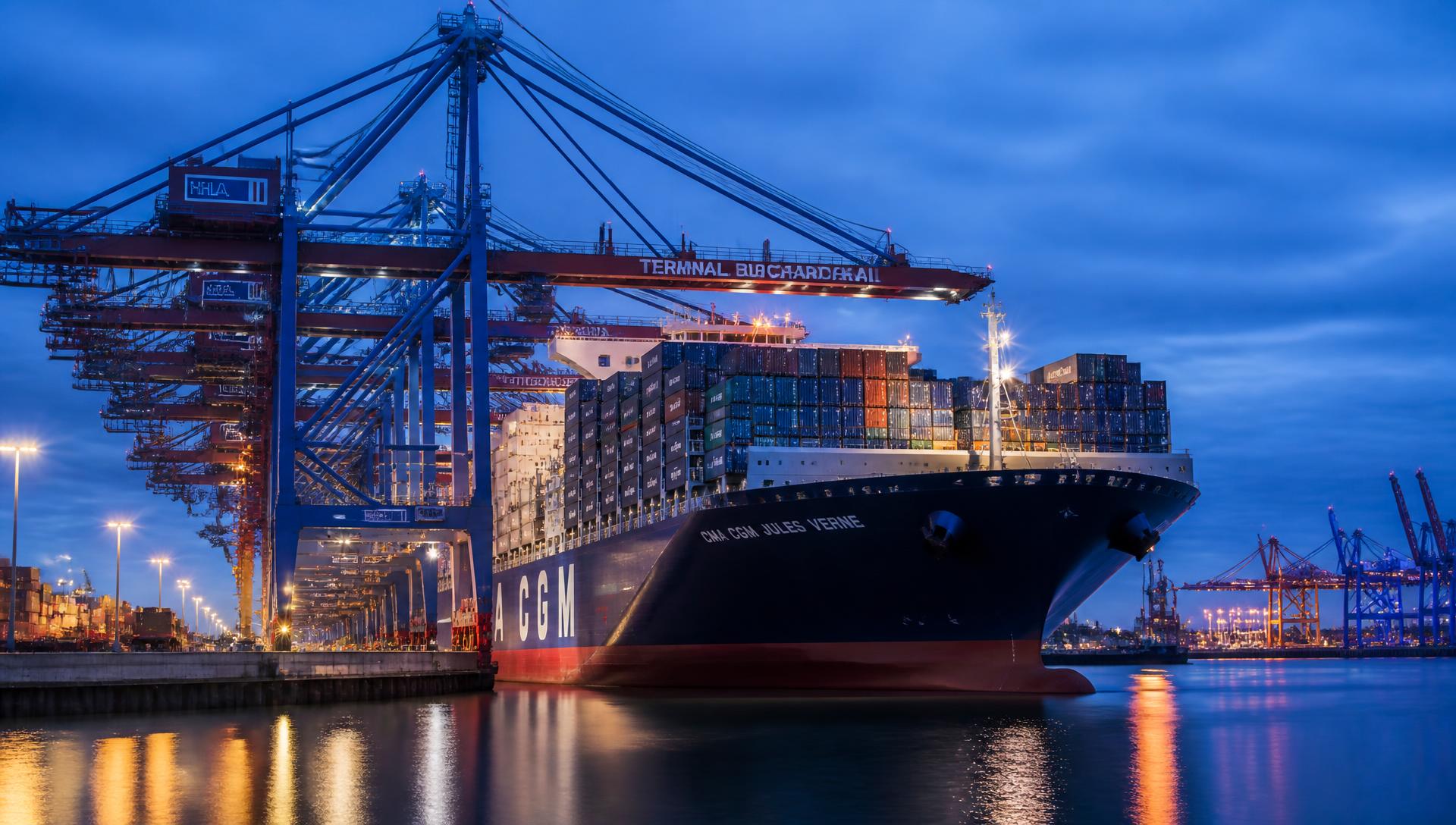
VELOX Logistics exclusively offers container shipping for used clothing bales. This method is ideal for high-volume international freight, providing security, cost-effectiveness, and protection for your goods during transit.
Choosing the Right Container Size
The choice between a 20-foot and a 40-foot container depends on the volume of bales you intend to ship and your storage capacity at the destination.
- 20-foot container: Suitable for smaller initial orders or businesses with limited storage.
- 40-foot container (Standard or High Cube): Ideal for larger operations, offering significant economies of scale in shipping costs per bale.
Understanding how many bales fit into each container type is crucial for optimizing your shipping costs. We have an article specifically addressing this: How Many Used Clothing Bales Fit in a 20ft or 40ft Container?.
The Shipping Process with VELOX Logistics
- Request a Quote: Provide VELOX Logistics with details on your shipment: origin (Montreal), destination, container size, and type of goods (used clothing bales). Rates vary based on destination, shipping line availability, fuel surcharges, and port congestion. We encourage you to Request a rate for an accurate, dated quote.
- Booking and Documentation: Once you accept a quote, we assist with booking your container and preparing all necessary export documentation, including the bill of lading, commercial invoice, and packing list.
- Container Loading: Your supplier will typically load the bales into the container at their warehouse in the Montreal area. VELOX Logistics can provide guidance on proper loading techniques to maximize space and secure the cargo. For professional assistance, consider our Container loading in Montreal service.
- Ocean Freight: The container is transported from Montreal to the port, loaded onto a vessel, and shipped to your destination port.
- Customs Clearance: At the destination, the container undergoes customs clearance. You or your appointed customs broker will be responsible for import duties and taxes. VELOX Logistics can provide necessary documentation to facilitate this process.
- Inland Transportation: Once cleared, the container is transported from the destination port to your warehouse or store.
Factors Affecting Shipping Costs
Several factors influence the overall cost of shipping your clothing bales:
- Destination Port: Costs vary significantly depending on the country and specific port of arrival.
- Container Size: Larger containers generally offer a lower per-bale shipping cost.
- Seasonality: Shipping demand and rates can fluctuate throughout the year.
- Fuel Surcharges: These are variable and can impact total costs.
- Port Congestion: Delays at ports can sometimes lead to additional charges.
- Customs Duties and Taxes: These are levied by the destination country and are the importer's responsibility.
Important Note on Pricing: VELOX Logistics never invents prices or rates. Shipping rates are dynamic and require a dated quote based on current market conditions. We urge you to contact us for a precise quote.
Setting Up Your Thrift Store Operations
Once your bales arrive, the real work of transforming them into a retail-ready inventory begins.
Receiving and Processing Inventory
Upon arrival, a systematic approach to receiving and processing your bales is crucial.
- Unloading and Storage: Safely unload containers and store bales in a dry, secure warehouse or storage area.
- Bale Opening and Sorting: Open bales carefully. This is where you conduct your final quality check. Items may need further sorting by type (dresses, shirts, pants), size, season, or brand.
- Cleaning and Repair: Many items, even Grade A, may benefit from washing, steaming, or minor repairs (e.g., reattaching a button). Decide on your quality standard for items displayed.
- Pricing: Develop a consistent pricing strategy. Consider the item's brand, condition, style, and your target market's price sensitivity.
Store Layout and Merchandising
A well-organized and aesthetically pleasing store encourages sales.
- Organization: Group clothing by type, size, colour, or style. Clear signage helps customers navigate.
- Display: Use mannequins, racks, and shelves to display items attractively. Rotate inventory frequently to keep the store looking fresh.
- Lighting: Good lighting highlights products and creates an inviting atmosphere.
- Changing Rooms: Clean, well-lit, and spacious changing rooms are essential for customer comfort.
Staffing and Customer Service
Your team is vital to your store's success.
- Knowledgeable Staff: Train employees on sorting, merchandising, and customer service. They should be able to assist customers in finding items and answer questions about sizing or condition.
- Customer Experience: Create a welcoming and friendly environment. Excellent customer service fosters loyalty and repeat business.
Marketing Your Thrift Store
Even with great inventory, customers need to know you exist.
Building Your Brand
- Store Name and Logo: Choose a memorable name and design a logo that reflects your store's identity.
- Storytelling: Share your store's mission, especially if it emphasizes sustainability or community support.
- Online Presence: Create a website or social media profiles to showcase new arrivals, promotions, and store events.
Reaching Your Target Audience
- Social Media Marketing: Platforms like Instagram and Facebook are excellent for showcasing unique finds, new arrivals, and engaging with your community. Use high-quality photos and relevant hashtags.
- Local Advertising: Consider local newspaper ads, community flyers, or partnerships with other local businesses.
- In-Store Promotions: Sales, loyalty programs, or themed events can drive foot traffic.
- Community Engagement: Sponsor local events, collaborate with charities, or host workshops to build goodwill and brand recognition.
Financial Management and Inventory Control
Effective financial management and inventory control are critical for the long-term viability of your thrift store.
Key Financial Metrics
- Gross Margin: The difference between your revenue and the cost of goods sold.
- Inventory Turnover: How quickly you sell through your inventory. A healthy turnover indicates efficient purchasing and sales.
- Operating Expenses: All costs associated with running your business, including rent, utilities, salaries, and marketing.
- Break-Even Point: The sales volume required to cover all your costs.
Inventory Management Strategies
- Tracking System: Implement a system to track inventory from bale arrival to point of sale. This could be a simple spreadsheet or a more sophisticated POS (Point of Sale) system.
- Rotation: Regularly rotate older inventory to the front or markdown items that aren't selling to free up space and capital.
- Waste Reduction: Minimize textile waste by finding alternative uses for unsellable items (e.g., donating to textile recyclers, upcycling projects).
Pricing Strategy
Your pricing strategy should reflect the quality of your items, your operating costs, and your market positioning.
- Value Pricing: Offer competitive prices that underscore the value of used clothing.
- Tiered Pricing: Differentiate prices based on brand, condition, and style (e.g., premium brands at higher prices, basic items at lower prices).
- Sales and Discounts: Plan regular sales events to clear inventory and attract customers.
Regulatory Compliance and Ethical Considerations
Operating a thrift store involves adhering to various regulations and considering ethical practices.
Local Regulations
- Business Licenses: Ensure you have all required federal, provincial, and municipal business licenses.
- Health and Safety: Adhere to local health and safety regulations for retail spaces, including fire safety, accessibility, and sanitation.
- Zoning Laws: Confirm that your chosen location is zoned for retail business.
International Trade Regulations
If you are importing bales from other countries, be aware of the regulations in your destination country regarding used clothing imports, including:
- Customs Duties and Taxes: Understand the specific tariffs and taxes applicable to used clothing bales.
- Quarantine and Inspection: Some countries have strict requirements for inspecting imported used textiles to prevent the spread of pests or diseases. Ensure your bales meet these standards.
- Prohibited Items: Be aware of any items that are prohibited from import.
Ethical Sourcing and Sustainability
- Transparent Supply Chain: Work with suppliers who can demonstrate ethical sourcing practices and responsible textile recycling.
- Environmental Impact: Highlight your store's contribution to sustainability by promoting textile reuse and reducing landfill waste.
- Fair Labour Practices: Ensure your own operations adhere to fair labour standards.
[[CTA]]
Risk Management
Every business faces risks, and a thrift store is no exception. Proactive risk management can save you significant trouble and expense.
Inventory-Related Risks
- Low-Quality Bales: Mitigate this by carefully vetting suppliers, requesting samples, and establishing clear quality expectations.
- Damage During Shipping: VELOX Logistics ensures professional handling, but adequate insurance for your cargo is always recommended.
- Unsellable Inventory: Implement a robust sorting and grading process upon receipt. Have a plan for items that cannot be sold (e.g., recycling, donation).
Market and Economic Risks
- Changing Consumer Preferences: Stay attuned to fashion trends and adjust your inventory sourcing accordingly.
- Economic Downturns: While thrift stores often thrive in economic downturns, understanding local economic conditions is still important for pricing and demand forecasting.
- Competition: Monitor competitors and differentiate your store through unique offerings, superior customer service, or a strong brand identity.
Operational Risks
- Theft (Shrinkage): Implement security measures such as surveillance, well-trained staff, and effective store layout to deter theft.
- Staff Turnover: Create a positive work environment, offer competitive wages, and provide training to retain good employees.
- Logistical Delays: Work with reliable freight forwarders like VELOX Logistics and build some buffer time into your inventory planning to account for unforeseen shipping delays.
Table: Key Steps and Considerations for Starting a Thrift Store with Clothing Bales
| Step | Key Considerations | VELOX Logistics Relevance |
|---|---|---|
| 1. Business Planning | Market research, financial projections, legal structure, marketing strategy. | Indirect: Your logistics plan (costs, timelines) will be a critical part of your financial projections. |
| 2. Sourcing Bales | Identify reliable suppliers, understand clothing grades (Cream, A, B), negotiate prices, minimum order quantities. | Direct: We ship from your supplier's location in Montreal. |
| 3. Logistics & Shipping | Choose container size (20ft, 40ft), understand shipping process, factor in customs duties & taxes. | Direct: VELOX specializes in shipping bales from Montreal via container. Request a quote for accurate rates. |
| 4. Inventory Processing | Receiving, sorting, cleaning, repairing, pricing, quality control. | Indirect: Efficient logistics ensure timely arrival of bales for processing. |
| 5. Store Setup & Merchandising | Layout, displays, lighting, changing rooms, branding. | Indirect: Your ability to receive large volumes of inventory efficiently impacts store stock levels and freshness. |
| 6. Marketing & Sales | Online presence, social media, local advertising, promotions, customer service. | Indirect: Reliable supply chain allows you to promise new arrivals and consistent stock. |
| 7. Financial Management | Track costs, revenue, inventory turnover, manage cash flow. | Direct: Shipping costs are a major expense; accurate quotes help budget. |
| 8. Compliance & Ethics | Business licenses, health & safety, import regulations, ethical sourcing. | Direct: VELOX provides necessary shipping documentation for customs clearance, but import duties are your responsibility. |
If you are already preparing a shipment, our page on shipping used clothing by container walks through the practical steps and paperwork.
FAQ — Starting a Thrift Store with Clothing Bales
Q: What is the typical quality of clothing bales? A: Quality varies significantly by grade. "Cream" or Grade A bales contain high-quality, fashionable items with minimal wear, while Grade B has minor imperfections. It's crucial to clarify the supplier's grading system.
Q: Can I get a mix of different clothing types in one bale? A: Yes, many suppliers offer mixed bales (e.g., summer mix, winter mix) or bales sorted by specific categories like dresses, jeans, or children's wear. Specify your needs when ordering.
Q: How do I handle customs clearance for imported clothing bales? A: You will need to appoint a customs broker at the destination port to handle the import declaration, payment of duties and taxes, and any required inspections. VELOX Logistics will provide all necessary shipping documentation.
Q: Is it profitable to start a thrift store with clothing bales? A: Yes, it can be very profitable due to the low acquisition cost of inventory. However, success depends on efficient operations, effective marketing, and a good understanding of your target market and pricing strategy.
Q: What are the main challenges when buying clothing bales? A: Key challenges include ensuring consistent quality, managing large inventory volumes, dealing with items that are unsellable, and navigating international shipping logistics and customs regulations.
Q: How much does it cost to ship a container of clothing bales from Montreal? A: Shipping rates are dynamic and depend on the destination, container size, and current market conditions. VELOX Logistics cannot provide general rates. Please Request a rate for a precise, dated quote.
Get a VELOX quote
Ready to ship your used clothing bales from Montreal? VELOX Logistics specializes in international freight forwarding for used clothing, ensuring your inventory reaches its destination efficiently. Contact us today via WhatsApp at +1 514-718-0282 for a personalized quote for your shipment departing from Montreal.
Further reading
These VELOX guides go further on the topic: