💼 Entrepreneurship
How to Start a Used Clothing Business
Starting a used clothing business involves a strategic approach to sourcing, processing, and distributing second-hand garments. This guide will walk you through the essential steps, from…

How to Start a Used Clothing Business
Starting a used clothing business involves a strategic approach to sourcing, processing, and distributing second-hand garments. This guide will walk you through the essential steps, from understanding market dynamics and legal requirements to establishing a robust supply chain and managing international logistics. Success in this sector hinges on efficient operations, quality control, and effective global shipping, ensuring your venture is both profitable and sustainable. By focusing on these core areas, entrepreneurs can build a thriving business in the ever-growing circular economy.
Understanding the Used Clothing Market
The global used clothing market is a dynamic and expanding sector driven by sustainability trends, economic factors, and evolving consumer preferences. Before diving in, it's crucial to understand its landscape. This includes identifying your niche, whether it's vintage, designer, everyday wear, or specific categories like children's clothing or workwear. Researching target markets, both domestically and internationally, will inform your business model. Consider the demand for different grades and qualities of used clothing in various regions. For instance, some markets prioritize affordability and volume, while others seek higher-grade, curated items.
Market Research and Niche Identification
Effective market research is the cornerstone of any successful business. For used clothing, this means:
- Geographic Demand: Where is the highest demand for used clothing? Are you targeting local consumers, or international buyers in regions like Africa, Eastern Europe, or Latin America? Understanding the specific needs and purchasing power of these regions is vital.
- Product Categories: What types of clothing are most sought after? Is there a demand for specific seasons, styles, or even brands?
- Quality Expectations: Different markets have varying expectations for clothing quality. Familiarize yourself with Used Clothing Grades and Quality to align your sourcing with market needs.
- Competitor Analysis: Identify existing businesses in your chosen niche and analyze their operations, pricing strategies, and customer base. This can reveal opportunities and potential challenges.
Legal and Regulatory Frameworks
Operating a used clothing business, especially one involved in international trade, requires a thorough understanding of legal and regulatory requirements. These can vary significantly by country and even by province.
- Business Registration: Register your business legally in Quebec or Ontario, depending on your primary operational base. This includes choosing a business structure (sole proprietorship, partnership, corporation) and obtaining the necessary permits.
- Import/Export Regulations: International trade is subject to customs duties, tariffs, and specific import regulations in destination countries. Some nations have restrictions or bans on importing used clothing to protect local industries or for health reasons. It's imperative to research these thoroughly for each target market.
- Sanitation and Health Standards: Used clothing often requires specific sanitation processes before export to meet health regulations in destination countries. Ensure your operations comply with these standards to avoid customs delays or rejections.
- Packaging and Labelling: Adhere to international standards for packaging and labelling, which can include details about origin, material, and weight.
Sourcing and Procurement
Sourcing quality used clothing efficiently is critical for profitability. Your procurement strategy will define the consistency and quality of your inventory.
Identifying Suppliers
Potential suppliers for used clothing include:
- Charitable Organizations: Large charities often have surplus clothing donations that they sell in bulk.
- Textile Recycling Companies: These companies collect textiles from various sources and sort them for different uses, including resale as used clothing.
- Local Collection Drives: You can organize your own collection drives, though this requires significant logistical effort.
- Wholesale Used Clothing Dealers: Some businesses specialize in selling sorted and graded used clothing bales. This can be a reliable source for specific grades.
Quality Control and Grading
Establishing a robust quality control process is non-negotiable. This involves:
- Initial Sorting: Separate items by condition, material, and type immediately upon receipt.
- Grading System: Implement a clear grading system (e.g., Grade A, B, C, or specific categories like vintage, premium, regular) based on the garment's condition, brand, and marketability. This is crucial for pricing and matching inventory to market demand. Understanding Used Clothing Grades and Quality is paramount here.
- Damage Assessment: Identify and set aside items that are damaged, stained, or unsuitable for resale.
- Sanitation: Determine if and how items need to be cleaned or sanitized according to destination country regulations.
Inventory Management
Efficient inventory management is key to minimizing storage costs and maximizing sales.
- Storage: Secure a warehouse or storage facility that is dry, clean, and organized. Consider your projected volume and growth.
- Tracking System: Implement a system to track inventory levels, grades, and locations. This could be a simple spreadsheet or dedicated inventory management software.
- Rotation: Ensure proper inventory rotation to avoid items sitting too long, especially if you deal with seasonal goods.
Processing and Packaging for Export
Once sourced and graded, the used clothing needs to be processed and packaged for international shipping. This stage directly impacts shipping efficiency and costs.
Sorting and Baling
The process of sorting and baling is critical for maximizing container space and protecting goods during transit.
- Detailed Sorting: Beyond initial grading, items can be sorted into more specific categories based on market demand (e.g., men's shirts, women's dresses, children's wear, jeans).
- Baling: Used clothing is typically compressed into bales using hydraulic baling machines. Bales vary in size and weight, usually ranging from 45 kg (100 lbs) to 450 kg (1000 lbs). The size and density of bales directly influence how many can fit into a shipping container. You can learn more about this in our article: How Many Used Clothing Bales Fit in a 20ft or 40ft Container?.
- Protective Packaging: Bales are often wrapped in plastic sheeting or burlap to protect them from moisture and damage during transit. Ensure the packaging is robust enough for international shipping conditions.
Labelling and Documentation
Accurate labelling and comprehensive documentation are essential for smooth customs clearance.
- Bale Labelling: Each bale should be clearly labelled with its contents (e.g., "Mixed Summer Clothes - Grade A"), weight, and origin.
- Export Documentation: Prepare all necessary export documents, including:
- Commercial Invoice: Details the value, quantity, and description of goods.
- Packing List: Itemizes the contents of each bale or package.
- Bill of Lading: The contract between the shipper and the carrier.
- Certificate of Origin: Verifies where the goods were manufactured or processed.
- Fumigation Certificate: If required by the destination country for textile goods.
- Any other permits or licenses required by the importing country.
Detailed guidance on this process can be found in our article: Sorting and Packing Used Clothing Bales for Export.
International Logistics and Shipping
International logistics is a specialized field that requires careful planning and execution. For used clothing, choosing the right freight forwarder is paramount.
Choosing a Freight Forwarder
VELOX Logistics specializes in international freight forwarding from Montreal. When selecting a partner, consider:
- Experience: Look for a freight forwarder with proven experience in shipping used clothing and textiles, particularly to your target regions.
- Network: An extensive global network ensures smooth customs clearance and reliable delivery in destination countries.
- Services Offered: VELOX Logistics offers comprehensive services including Used clothing logistics service, container loading, customs brokerage, and documentation support.
- Customer Service: Clear communication and proactive problem-solving are crucial.
Shipping from Montreal
All international departures for VELOX Logistics clients leave from Montreal, Quebec. This is a key operational point.
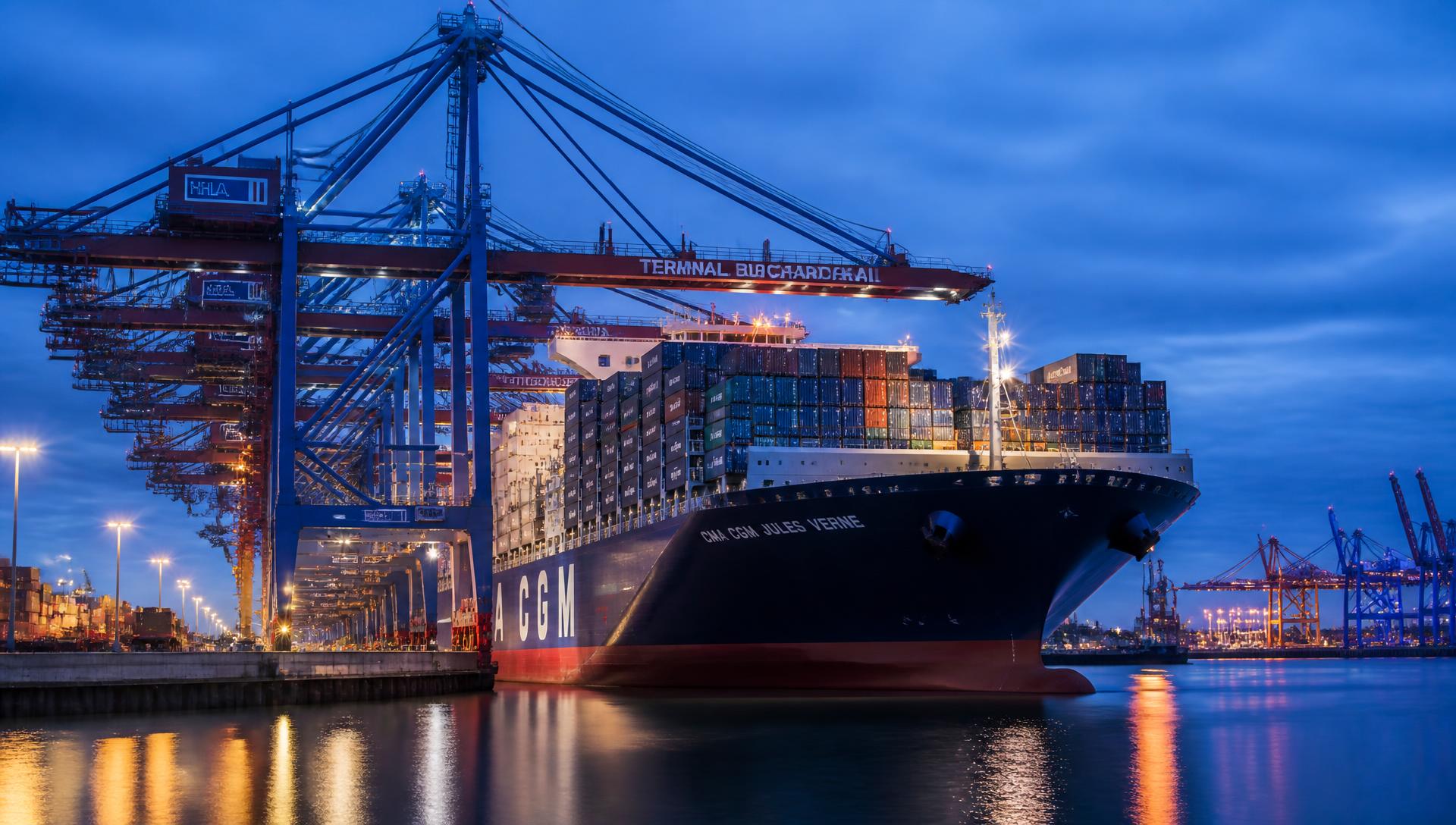
- Container Shipping: VELOX Logistics exclusively offers container shipping. Used clothing is typically shipped in 20-foot or 40-foot standard containers. The choice depends on the volume of goods and cost efficiency.
- Consolidation: If you don't have enough volume for a full container load (FCL), a freight forwarder can arrange Less than Container Load (LCL) services, consolidating your goods with others. However, for used clothing, FCL is often more cost-effective due to volume.
- Container Loading: Proper container loading is essential to prevent damage and maximize space. VELOX Logistics offers Container loading in Montreal services to ensure your bales are loaded efficiently and securely.
- Ocean Freight: The primary mode of transport for international used clothing shipments is ocean freight. Transit times vary significantly depending on the destination port.
Customs and Documentation
Navigating international customs can be complex.
- Export Customs (Canada): Ensure all Canadian export requirements are met.
- Import Customs (Destination): Your freight forwarder will assist with the necessary documentation for import clearance in the destination country. Be aware of any specific duties, taxes, or inspections that may apply. Delays can occur if documentation is incomplete or inaccurate.
Sales and Distribution Channels
With your inventory ready and logistics in place, the next step is to establish effective sales and distribution channels.
Wholesale Distribution
Many used clothing businesses operate on a wholesale model, selling bales or large quantities to buyers in other countries.
- International Buyers: Connect with importers, distributors, or large market vendors in your target countries. Trade shows, online B2B platforms, and industry networks can be valuable resources.
- Direct Sales: You may also choose to sell directly to retailers or end-consumers, especially for higher-grade items. This might involve setting up an online store or participating in local markets.
Pricing Strategies
Developing a competitive and profitable pricing strategy is vital.
- Cost Analysis: Calculate all your costs, including sourcing, processing, packaging, storage, and shipping. Don't forget operational overheads.
- Market-Based Pricing: Research current Wholesale Used Clothing Prices in Canada and in your destination markets. Your pricing needs to be competitive while reflecting the quality and grade of your goods.
- Value-Based Pricing: For premium or vintage items, you might be able to command higher prices based on their unique value.
- Request a Quote: For shipping costs, it's essential to Request a rate from VELOX Logistics, as rates vary based on destination, container size, and current market conditions. VELOX Logistics does not invent prices, rates, or sailing dates. Rates vary and require a dated quote.
Marketing and Sales
Promoting your business effectively will attract buyers.
- Online Presence: Develop a professional website showcasing your products and services. Utilize social media and B2B platforms to reach a wider audience.
- Networking: Attend industry events, join trade associations, and build relationships with potential buyers and suppliers.
- Direct Outreach: Contact potential buyers directly with your product offerings and competitive pricing.
Financial Planning and Business Model
A solid financial plan is the backbone of your used clothing business.
Startup Costs
Initial investments can include:
- Inventory Procurement: Funds to purchase your initial stock of used clothing.
- Equipment: Baling machines, sorting tables, scales, and potentially a forklift.
- Warehouse/Storage: Rent or purchase of a suitable facility.
- Operational Costs: Utilities, salaries, insurance.
- Marketing: Website development, advertising.
- Logistics: Initial shipping costs, customs fees.
Revenue Streams
Your primary revenue stream will be the sale of sorted and baled used clothing. Consider diversifying by offering different grades at varying price points.
Profit Margins
Profitability in the used clothing business depends heavily on efficient sourcing, processing, and logistics. Maximizing container space, minimizing waste, and securing competitive shipping rates are key to healthy margins.
| Key Business Aspect | Description ### How is used clothing sorted and packed for export?
Used clothing is typically sorted into various grades and categories (e.g., specific garments, seasons, quality levels) and then compressed into bales using hydraulic baling machines. These bales are then loaded into shipping containers, often with specific loading patterns to maximize space and ensure stability. VELOX Logistics assists clients with efficient Sorting and Packing Used Clothing Bales for Export.
What are the main challenges of shipping used clothing internationally?
Key challenges include navigating diverse customs regulations and import restrictions in destination countries, managing varying shipping costs, ensuring proper documentation, and maintaining the quality and condition of goods during long transit times. Effective inventory management and choosing a reliable freight forwarder are crucial.
How do I get a price quote for shipping used clothing?
To get an accurate price quote for shipping used clothing, you need to provide details such as the destination port, the type and size of container required (e.g., 20ft or 40ft), the estimated weight and volume of your shipment, and any specific service requirements. Rates vary and require a dated quote. VELOX Logistics invites you to Request a rate directly.
Does VELOX Logistics buy used clothing inventory?
No, VELOX Logistics does not buy or sell used clothing inventory. We are a freight forwarder specializing in logistics services for the international trade of used clothing. Our role is to facilitate the shipping process from Montreal to your chosen international destinations. However, we can offer an evaluation of your logistics needs to optimize your shipping strategy.
What are the market opportunities for used clothing from Canada?
Canada is a significant source of high-quality used clothing due to its affluent population and robust collection systems. Major market opportunities exist in regions like Africa, Eastern Europe, and Latin America, where there is high demand for affordable and diverse clothing options. Specialized niches like vintage or designer second-hand clothing also find markets globally. Our blog post Starting a Used Clothing Business in Africa from Canada explores this in more detail.
Get a VELOX quote
Ready to ship your used clothing internationally? VELOX Logistics offers reliable and efficient container shipping services, with all international departures from Montreal. Contact us today via WhatsApp at +1 514-718-0282 for a personalized, dated quote and to discuss your specific logistics needs.
Further reading
These VELOX guides go further on the topic: