💼 Entrepreneurship
How to Buy Clothing Bales to Resell
To buy clothing bales for resale, you need to identify reliable suppliers, understand the different grades and types of used clothing available, and arrange for efficient international logistics…

How to Buy Clothing Bales to Resell
To buy clothing bales for resale, you need to identify reliable suppliers, understand the different grades and types of used clothing available, and arrange for efficient international logistics. This process involves researching wholesale vendors, evaluating bale quality and pricing structures, and critically, securing dependable freight forwarding services from Montreal to your destination market. Success hinges on a clear understanding of the supply chain, from sourcing to final delivery, ensuring profitability and consistent inventory.
Understanding the Used Clothing Market and Your Business Model
The global used clothing market is a complex ecosystem, driven by both environmental consciousness and economic opportunity. For entrepreneurs looking to buy clothing bales to resell, understanding this landscape is paramount. Your business model will dictate the types of bales you seek, your target customers, and your logistical requirements. Are you focusing on high-end vintage, general second-hand, or industrial rags? Each segment has distinct sourcing channels and quality expectations.
Defining Your Niche and Target Market
Before you even consider purchasing, clearly define your niche. Who are you selling to?
- Vintage Boutiques: These buyers seek unique, high-quality, often branded items from specific eras. They require meticulous sorting and are willing to pay a premium.
- Thrift Stores/Second-Hand Shops: This is a broad category, often looking for good condition, everyday wear at competitive prices. Quantity and consistent quality are key.
- Online Resellers (eBay, Poshmark, Depop): Similar to boutiques but often with a focus on specific brands or styles that perform well online. Access to detailed inventory information is valuable.
- International Markets (e.g., Africa, Eastern Europe): These markets often absorb large volumes of mixed-grade clothing, with a strong demand for affordable, durable wear. Understanding local preferences and import regulations is crucial for Shipping Used Clothes from Canada to Africa.
- Rag Graders/Recyclers: Focus on textiles that are no longer wearable but can be repurposed into industrial wiping cloths or broken down for fiber. Volume and weight are the primary metrics here.
Your target market will directly influence the grade of clothing you need, the price points you can sustain, and the necessary logistical arrangements.
Sourcing Reliable Suppliers of Used Clothing Bales
Finding reputable suppliers is the cornerstone of a successful used clothing resale business. The quality and consistency of your inventory directly impact your reputation and profitability. Suppliers typically fall into a few categories: textile recyclers, wholesale exporters, and specialized graders.
Identifying and Vetting Wholesale Suppliers
When looking to buy clothing bales to resell, begin by researching wholesalers who specialize in used clothing export. Many are located in North America and Europe, collecting donations, processing them, and baling them for international distribution.
Key criteria for vetting suppliers include:
- Experience and Reputation: How long have they been in business? Do they have positive reviews or references?
- Transparency: Are they open about their sourcing, sorting, and baling processes? Can you visit their facility (if feasible) or request detailed photos/videos?
- Grading Standards: Do they adhere to recognized grading standards? Understanding Used Clothing Grades and Quality is essential to ensure you receive what you expect. Ask for samples or detailed descriptions of their grading categories (e.g., Cream, Grade A, Grade B, Rags).
- Minimum Order Quantities (MOQ): Most wholesalers deal in large volumes, often requiring a minimum purchase of several bales or even a full container.
- Pricing Structure: Understand how they price their bales – per pound, per bale, or per container.
- Logistical Capabilities: Can they prepare the bales for international shipping? Do they have experience with export documentation?
Types of Bales and Their Contents
Suppliers offer various types of bales, categorized by content, quality, and origin. Knowing these categories will help you request the right product for your market:
- Credential Clothing: Unsorted, untouched donations, often sold by the pound. This is the riskiest but potentially most rewarding if you have your own sorting operation.
- Mixed Rags: Often unsorted, low-grade clothing, suitable for industrial wiping rags or fiber reclamation.
- Institutional Graded: Clothing sorted by charity organizations, but not yet baled for export. Quality can vary.
- Wholesale Graded Bales: These are the most common for resale. They are pre-sorted and baled according to specific categories:
- Cream Grade: Highest quality, often new with tags (NWT) or like-new, branded items.
- Grade A: Excellent condition, no major flaws, wearable clothing.
- Grade B: Good condition, minor flaws, but still wearable.
- Seasonal Bales: Sorted by season (e.g., Summer Mix, Winter Mix).
- Category-Specific Bales: Jeans, T-shirts, children's wear, dresses, intimates, shoes, etc.
- Brand-Specific Bales: Sometimes available, containing items from particular popular brands.
Evaluating Quality and Pricing: What to Look For
When you buy clothing bales to resell, the profitability of your venture hinges significantly on the quality of the goods you receive relative to the price paid. It's not just about the lowest price; it's about value and consistency.
Understanding Used Clothing Grades
As mentioned, grades are critical. A supplier's grading system might differ slightly, but generally, the hierarchy remains:
- Cream Grade: Top-tier, often 5-10% of total donations. Items are new or near-new, often branded, no defects. Commands the highest price.
- Grade A (Premium/First Quality): High-quality, gently used items without stains, holes, or significant wear. These form the bulk of saleable items in many markets.
- Grade B (Second Quality): Items with minor defects like small stains, fading, or minor repairs needed. Still wearable and sellable in price-sensitive markets.
- Grade C (Rags/Wiping Cloths): Items unsuitable for wear, often heavily damaged, stained, or torn. Used for industrial purposes or textile recycling.
Always request detailed descriptions or, if possible, samples from your supplier to ensure their definition of a grade aligns with yours. This due diligence reduces the risk of receiving unsaleable inventory.
Factors Influencing Bale Pricing
The price of used clothing bales is highly variable. Never expect fixed rates; always Request a rate based on current market conditions. Here are the primary factors:
| Factor | Description | Impact on Price (Generally) |
|---|---|---|
| Clothing Grade | Cream, Grade A, Grade B, Rags. Higher grades require more sorting effort and contain more valuable items. | Higher grades = Higher price |
| Item Category | Specific categories like vintage denim, branded sportswear, or leather jackets often fetch higher prices than general mixed clothing. | Specialized items = Higher price |
| Seasonality | Demand for winter clothing peaks in colder months, summer clothing in warmer months. Prices can fluctuate accordingly. | In-season items = Higher price |
| Origin of Clothing | Clothing sourced from affluent regions (e.g., North America, Western Europe) is often perceived as higher quality and more desirable. | Developed country origin = Higher price |
| Bale Weight/Size | Bales are typically sold by weight (e.g., 100lb, 500lb, 1000lb) or by volume. Larger, denser bales might offer better per-unit shipping efficiency. | Larger bales (per unit) = Better value |
| Supplier Overhead | The supplier's sorting costs, labor, facility expenses, and profit margins are built into the price. | Efficient suppliers = Potentially better prices |
| Market Demand | Overall global demand for used clothing, influenced by economic conditions, fashion trends, and local import regulations in destination countries. | High demand = Higher price |
| Quantity Purchased | Bulk purchases (e.g., full container loads) often qualify for lower per-bale or per-pound rates compared to smaller orders. | Higher quantity = Lower per-unit price |
| Payment Terms | Payment in advance vs. Letter of Credit can sometimes influence the final quoted price, depending on the supplier's risk assessment. | Favorable terms = Potentially better price |
It is crucial to understand that rates vary. Always request a dated quote from your supplier and freight forwarder. For a deeper dive into pricing in the Canadian context, you might want to read our article on Wholesale Used Clothing Prices in Canada.
Logistics: Shipping Your Clothing Bales from Montreal
Once you've identified your supplier and agreed on the type and quantity of bales, the next critical step is arranging international shipping. For VELOX Logistics, all international departures leave FROM MONTREAL. This is a non-negotiable operational detail for our services.
Preparing Bales for Export
Your supplier should be adept at Sorting and Packing Used Clothing Bales for Export to meet international shipping standards. Key considerations include:
- Compaction: Bales should be tightly compressed to maximize space utilization within shipping containers.
- Wrapping: Bales must be securely wrapped, typically in durable plastic or fabric, to protect contents from moisture, dust, and damage during transit.
- Labeling: Each bale should be clearly labeled with its contents (e.g., "Grade A Mixed Summer Wear"), weight, and bale number for easy identification and customs clearance.
- Fumigation/Treatment: Some destination countries require specific treatments for used textiles to prevent the spread of pests or diseases. Ensure your supplier can provide necessary certificates.
Choosing the Right Shipping Container
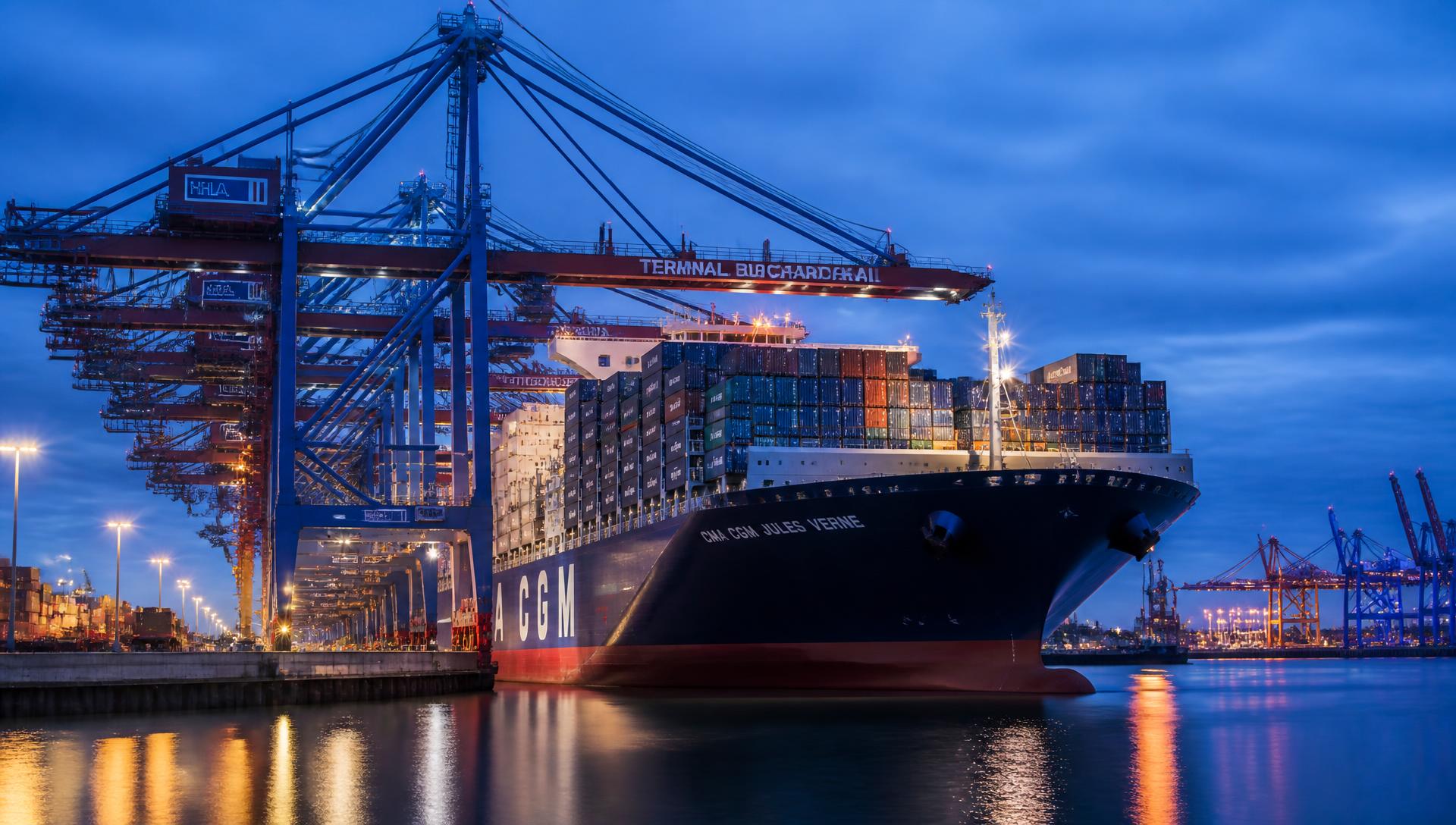
VELOX Logistics offers container shipping only. The choice of container size (20ft or 40ft standard, or high cube) depends on the volume of bales you are shipping and your budget.
- 20-foot container: Ideal for smaller to medium-sized orders.
- 40-foot container (Standard or High Cube): Suitable for larger volumes, offering better per-unit shipping costs due to economies of scale. High cube containers provide extra vertical space.
Understanding How Many Used Clothing Bales Fit in a 20ft or 40ft Container? is crucial for optimizing your shipping costs. Our team can help you calculate this based on your bale dimensions and weight.
The Role of a Freight Forwarder
A freight forwarder like VELOX Logistics is your indispensable partner in international trade. We manage the complex process of moving your goods from the supplier's warehouse in Montreal to your final destination. Our services include:
- Booking Cargo Space: Securing space on vessels departing from Montreal.
- Documentation: Preparing and managing all necessary export and import documentation (Bill of Lading, commercial invoice, packing list, certificate of origin, customs declarations).
- Customs Clearance: Liaising with customs authorities in Canada and at the destination port.
- Container Loading: Overseeing the efficient Container loading in Montreal to ensure goods are secured and maximize space.
- Tracking: Providing updates on your shipment's journey.
- Advisory: Offering expertise on specific country regulations and best practices for Used clothing logistics service.
Remember, all international departures for VELOX Logistics are from Montreal. While your supplier might be located elsewhere in Quebec or Ontario, the consolidated departure point for your shipment will always be Montreal.
Understanding Import Regulations and Documentation
Navigating international import regulations is a critical, and often complex, aspect of buying clothing bales to resell. Failure to comply can lead to costly delays, fines, or even seizure of your goods.
Destination Country Requirements
Each country has its own set of rules regarding the importation of used clothing. These can include:
- Import Bans: Some countries have outright bans on used clothing imports to protect local textile industries or for health reasons. Always verify this before shipping.
- Licenses and Permits: Many countries require specific import licenses or permits for used textiles.
- Fumigation Certificates: As mentioned, proof of fumigation or disinfection is often mandatory.
- Pre-Shipment Inspection (PSI): Certain nations demand that goods undergo inspection by a designated agency in the country of origin before shipment. This ensures quality and compliance.
- Labeling Requirements: Specific labeling might be required on bales or individual items.
- Tariffs and Duties: Be aware of the applicable import duties, taxes, and other charges in your destination country. These can significantly impact your final cost.
It is your responsibility as the importer to understand and adhere to these regulations. VELOX Logistics can provide guidance on common requirements, but we advise consulting with local customs brokers in your destination country for the most accurate and up-to-date information.
Essential Shipping Documents
A complete set of accurate documents is vital for smooth customs clearance. These typically include:
- Commercial Invoice: Details the goods being shipped, their value, and the buyer/seller information.
- Packing List: Itemizes the contents of each bale or package, including weight and dimensions.
- Bill of Lading (B/L): The contract of carriage between the shipper and the carrier, acting as a receipt for the goods and a document of title.
- Certificate of Origin: Declares the country where the goods were manufactured or processed.
- Fumigation Certificate: If required by the destination country.
- Pre-Shipment Inspection Certificate: If required.
- Import License/Permit: Provided by the importer.
Inaccurate or incomplete documentation is a common cause of customs delays. VELOX Logistics works diligently to ensure all necessary paperwork is in order for your shipment departing from Montreal.
Building a Sustainable Business for Resale
Once your bales arrive, the real work of resale begins. However, long-term success in this sector, particularly for international trade, hinges on building a sustainable and resilient business model. This extends beyond the initial purchase and includes effective inventory management, marketing, and continuous improvement.
Inventory Management and Sorting at Destination
Upon arrival, you'll need a system for handling your inventory. This may involve:
- Unbaling and Initial Inspection: Quickly assess the condition and quality of the goods against your expectations.
- Further Sorting: Depending on your market, you may need to conduct additional sorting to categorize items by style, size, brand, or defect level for optimal resale.
- Cleaning/Repair: Some items might benefit from cleaning, minor repairs, or steaming to increase their appeal and value.
- Storage: Secure and organized storage is essential to prevent damage or loss.
Efficient sorting and processing at your destination can significantly increase the per-item value of your bales, turning Grade B items into saleable goods and identifying hidden gems.
Marketing and Sales Strategies
Your sales strategy will depend on your target market:
- Retail Stores/Boutiques: Focus on merchandising, customer service, and creating an inviting shopping experience.
- Online Platforms: High-quality photography, accurate descriptions, and efficient shipping are paramount.
- Wholesale to Local Vendors: Build relationships with smaller local sellers who might buy sorted bundles from you.
- Market Stalls/Pop-ups: Direct sales opportunities that allow for interaction with customers and quick inventory turnover.
Highlight the unique selling propositions of used clothing – affordability, sustainability, and unique style.
Continuous Improvement and Market Adaptation
The used clothing market is dynamic. Fashion trends change, economic conditions shift, and import regulations can be updated.
- Stay Informed: Keep abreast of market trends, consumer preferences, and any changes in international trade policies.
- Supplier Relationships: Nurture strong relationships with your suppliers. Reliable communication and trust are invaluable.
- Logistics Optimization: Continuously evaluate your shipping processes. Could a different container size be more cost-effective for your next order? Are there new routes or services that could benefit you? VELOX Logistics is always here to discuss your evolving Used clothing logistics service needs.
- Feedback Loop: Collect feedback from your customers to refine your purchasing decisions and improve your sorting and sales processes.
By focusing on these elements, you can build a robust and profitable business around buying and reselling clothing bales. The journey from sourcing in Canada to selling in your target market is complex, but with the right partners and strategic planning, it's highly rewarding. If you're considering Starting a Used Clothing Business in Africa from Canada, these principles are particularly relevant.
[[CTA]]
FAQ — Buying Clothing Bales for Resale
Q: How do I find reliable used clothing bale suppliers? A: Research wholesale textile recyclers and exporters, check their reputation, ask for references, and inquire about their sorting and grading processes. Transparency and consistency are key indicators of reliability.
Q: What are the different grades of clothing bales? A: Common grades include Cream (new/like-new), Grade A (excellent condition, wearable), Grade B (good condition, minor flaws), and Rags (unsuitable for wear, for recycling). Understanding Used Clothing Grades and Quality is crucial.
Q: Do prices for clothing bales vary? A: Yes, prices vary significantly based on grade, type of clothing, seasonality, origin, supplier, and market demand. Always request a dated quote for current rates.
Q: What is the minimum quantity I can order? A: Most wholesalers have Minimum Order Quantities (MOQs), often requiring the purchase of several bales or even a full shipping container. This is primarily due to the logistics of international shipping.
Q: What documents are needed for international shipping of clothing bales? A: Essential documents typically include a Commercial Invoice, Packing List, Bill of Lading, Certificate of Origin, and potentially fumigation or pre-shipment inspection certificates, depending on the destination country's regulations.
Q: Does VELOX Logistics ship from anywhere in Canada? A: No, VELOX Logistics exclusively handles international departures FROM MONTREAL. Customers in Quebec and Ontario can arrange for their goods to be consolidated and shipped from our Montreal hub.
Get a VELOX quote
Ready to ship your clothing bales from Montreal to your international market? VELOX Logistics specializes in efficient, reliable container shipping for used clothing. Contact us today to discuss your specific logistics needs and Request a rate for your next shipment departing from Montreal. Reach out via WhatsApp at +1 514-718-0282.
Further reading
These VELOX guides go further on the topic: