
Thinking about buying a salvage or accident-damaged car in Canada to export to Togo? This type of purchase is often attractive for its lower price, but it carries real risks that need careful evaluation before committing. Here's an honest look at the precautions to take.
In short: an accident-damaged vehicle can be a good deal if the damage is minor and well documented, but it can also hide costly structural problems — or damage that cannot be safely repaired at all. A rigorous inspection before purchase is essential, even more so than for a vehicle with no accident history.
Why damaged vehicles attract buyers shipping to Togo
The significantly lower purchase price is the main draw. A vehicle declared a total loss by an insurance company, or simply damaged, often sells for a fraction of the price of an equivalent vehicle in good condition. For a buyer in Togo, this price gap can look appealing, especially since ocean freight costs tend to be similar regardless of the vehicle's condition.
Risks to understand before buying
Invisible structural damage
Some damage isn't visible to the naked eye: a bent frame, steering system damage, or airbags that were deployed and only superficially replaced. These issues can compromise the vehicle's safety, especially after a long ocean voyage and extended use afterward.
The real cost of repairs
The lower purchase price can be misleading if you don't factor in the cost of repairs needed to make the vehicle fully functional and safe. Getting a precise mechanical assessment before buying is essential, and that repair cost must be added to the purchase price to judge whether the deal is actually worthwhile.
Parts availability in Togo
Some parts needed to repair an accident-damaged vehicle can be hard to find locally in Lomé, which can significantly delay getting the vehicle back on the road after arrival.
Uncertain resale value
A vehicle with a documented accident history generally loses resale value even after repairs, since potential buyers tend to stay cautious about that kind of history.
How to reduce the risks
Request a full vehicle history report
Before committing, ask for a detailed history report, including the exact nature of the declared damage and, if possible, photos from before repairs were made.
Have the vehicle inspected by an independent mechanic
A mechanical inspection by a professional not affiliated with the seller usually uncovers structural or mechanical issues not mentioned in the listing.
Compare total cost with an equivalent undamaged vehicle
Do the full math: lower purchase price, plus necessary repair costs, plus shipping, compared to the price of an equivalent vehicle with no accident history. In some cases, the initial savings disappear once everything is added up.
Check the legality of putting the vehicle back on the road
Some vehicles declared a total loss by an insurer may be subject to specific restrictions on being returned to service, depending on the province of origin. Check this status before buying, as it can affect which documents are available for export.
Documents to verify before buying
As with any vehicle exported from Canada, make sure the ownership documents are clear and up to date. For an accident-damaged vehicle, also request any documentation related to the insurance claim, the title status (salvage, rebuilt, or equivalent depending on the province), and any repairs already performed. This information helps you objectively assess the vehicle's actual condition before export.
What VELOX LOGISTICS can and cannot do
It's important to clarify our role: VELOX LOGISTICS is not a car dealer and does not sell vehicles. We do not assess or guarantee the mechanical condition of an accident-damaged vehicle you purchased elsewhere. Our role is limited to organizing ocean transport once your purchase is finalized and the vehicle is ready to be brought to our Montreal warehouse.
How VELOX LOGISTICS helps
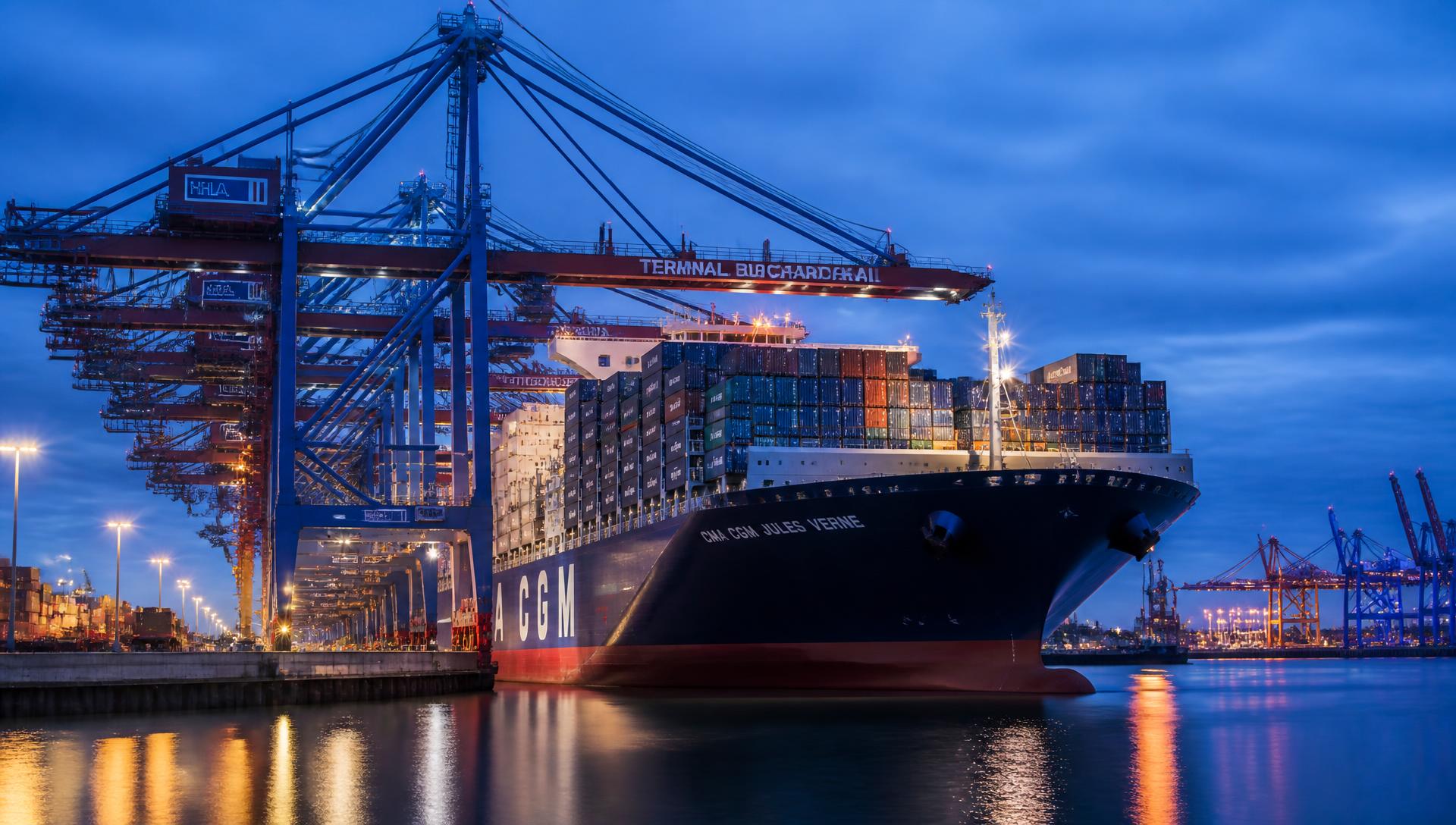
Once your purchase decision is made, VELOX LOGISTICS organizes transport of the vehicle to Montreal, its preparation, secure loading into a 20' or 40' container, and shipment to the Port Autonome de Lomé. We ship exclusively by ocean container, with no RoRo service, which offers better protection for a vehicle already weakened by a prior accident. Customs clearance upon arrival in Togo remains to be arranged with the Office Togolais des Recettes (OTR) and a local customs broker.
To arrange transport for your vehicle, whether damaged or not, check our Togo destination page, our vehicles page, and complete your booking once the purchase is finalized.
FAQ
Is it risky to buy a damaged car to export to Togo?
It depends on the actual extent of the damage and the quality of any repairs already done. An independent inspection before buying is strongly recommended to assess this risk.
Can VELOX LOGISTICS help me assess the condition of a damaged vehicle?
No, we are a logistics partner, not a mechanical assessment expert. We recommend hiring an independent mechanic before purchase.
Can an unrepaired damaged vehicle be shipped?
It depends on customs requirements and available documentation. Check with the CBSA and verify the vehicle's title status before exporting.
Is shipping cheaper for a damaged vehicle?
Ocean freight generally depends on the vehicle's size rather than its mechanical condition. Request a quote to learn about the factors that apply to your situation.
How can I know if repairs already done are reliable?
Ask for detailed documentation of the repairs and have the vehicle inspected by an independent professional before finalizing the purchase.
Conclusion
Buying an accident-damaged car in Canada to export to Togo can be a worthwhile opportunity, provided you carry out a rigorous inspection beforehand and honestly calculate the total cost involved. Once you've made an informed decision, VELOX LOGISTICS is ready to organize ocean transport to Lomé. Request your quote today.
Key facts — VELOX LOGISTICS
- Based in Montreal (Saint-Léonard, Quebec); every shipment departs from Montreal.
- Vehicles ship by 20- or 40-foot ocean container only. We do not offer RoRo shipping.
- VELOX LOGISTICS does not sell vehicles: we arrange transport for the vehicle you have bought.
- Prices and timelines are quoted for each shipment, based on the vehicle, the container and the next available sailing.
- Customs clearance in Togo is arranged by the recipient, with a licensed customs broker in Lomé.
VELOX LOGISTICS — Montreal, Canada 6135 Couture Blvd, Saint-Léonard (Montreal), QC H1P 3G7 · WhatsApp 514-718-0282 · info@veloxlogistics.io