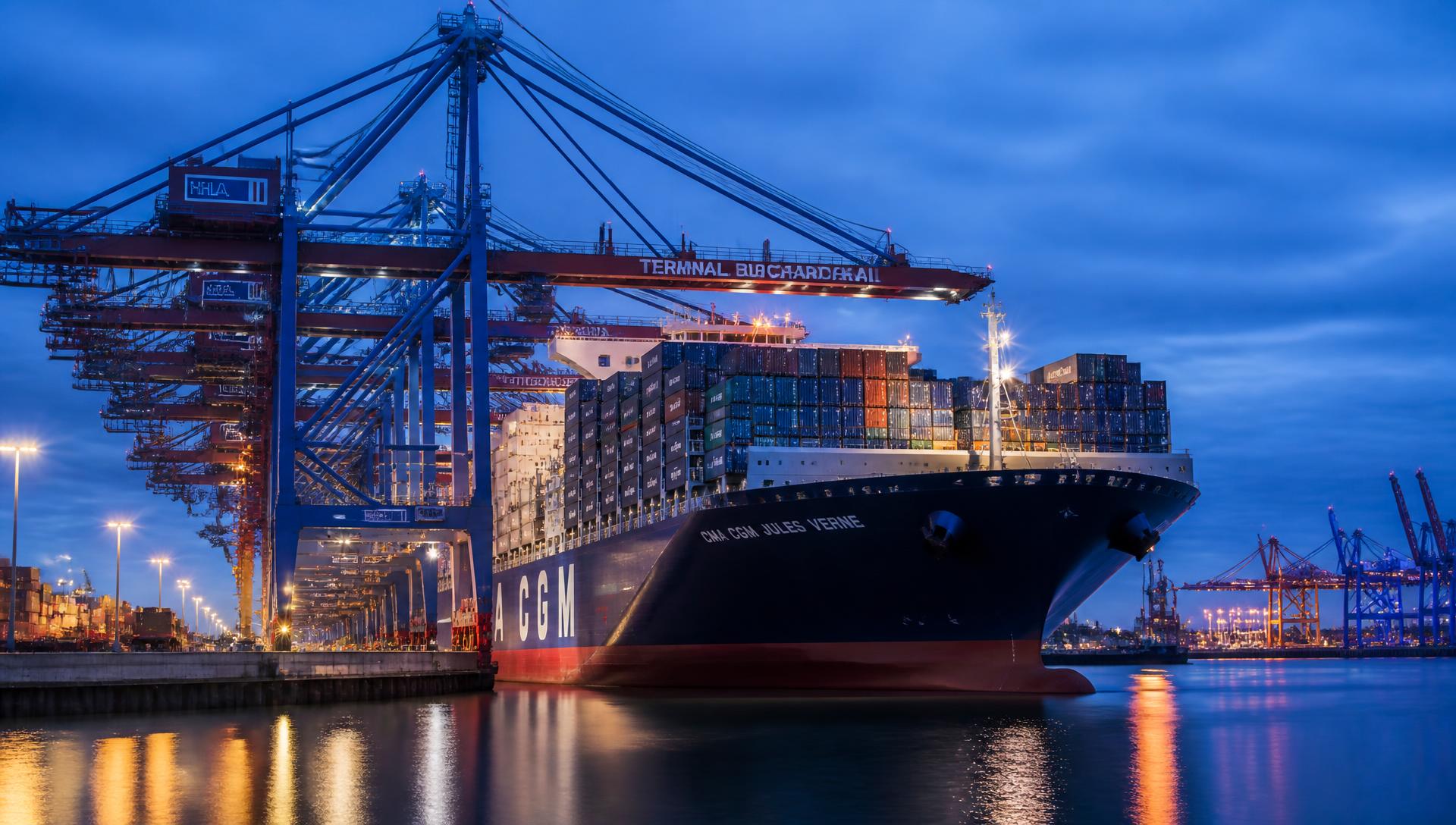

Once a vehicle shipped from Montréal reaches the Port of Lomé, it must go through customs clearance before it can legally be driven in Togo. In short: customs clearance means officially declaring the vehicle with the Office Togolais des Recettes (OTR), providing ownership and shipping documents, and paying applicable duties and taxes before the vehicle is released. This step is handled by a licensed customs broker, not by the ocean carrier.
What does customs clearance actually involve?
Customs clearance is the administrative process by which a country's tax authority authorizes the legal entry of goods — in this case, a vehicle — into its territory. In Togo, this falls under the Office Togolais des Recettes, which centralizes customs and tax administration. The goal is to verify the vehicle's compliance, assess its value, and calculate the duties and taxes owed under current regulations.
Why is this step mandatory?
Without full customs clearance, an imported vehicle cannot legally be registered or driven in Togo. This is also the stage where factors such as the vehicle's age, technical compliance, and origin are checked to ensure it meets the country's import standards.
Documents typically required
A standard clearance file may include:
- The bill of lading
- The original purchase invoice for the vehicle
- The Canadian registration certificate or title
- Valid ID for the consignee, or a power of attorney for their representative
- Documentation confirming the vehicle identification number (VIN)
Since documentation requirements can change, it's strongly recommended to confirm them directly with OTR or your customs broker before the vehicle arrives, to avoid surprises.
The role of the customs broker
A customs broker is the professional intermediary who prepares and files the import declaration on the consignee's behalf. They know local procedures, required forms, and the right contacts at OTR. Working with a recognized broker in Lomé generally smooths the process and reduces errors that could delay vehicle release.
Typical clearance steps
- Filing the declaration: the broker submits the declaration along with required documents.
- Vehicle valuation: authorities determine the customs value, often based on official reference tables.
- Calculating duties and taxes: applicable amounts are set according to current Togolese regulations.
- Payment: duties, taxes, and any related fees must be paid before the vehicle is released.
- Release from the port: once formalities are complete, the vehicle can leave the port area.
Common pitfalls to avoid
- Incomplete or inconsistent documents between Canada and Togo (name, VIN, model) — double-check every detail before shipping.
- Delays in filing the declaration, which can lead to storage fees at the port.
- Using unrecognized intermediaries, which can waste time and money without guaranteed results.
- Underestimating timelines, assuming clearance happens instantly; it's wiser to allow a margin and stay in regular contact with your broker.
The difference between customs clearance and other port formalities
It's important not to confuse customs clearance with other steps such as vehicle registration or local roadworthiness inspections. Clearance only concerns the tax and administrative authorization for the vehicle to enter Togolese territory. Once that step is complete, the owner generally needs to handle separate procedures with the relevant authorities to register the vehicle and legally drive it in Lomé or elsewhere in Togo. These additional steps have their own timelines and requirements, which should also be clarified in advance.
Why document consistency from Canada matters
A smooth clearance file starts well before the vehicle reaches the port. From the moment you buy the vehicle in Canada, make sure the name on the invoice, the title, and the bill of lading match exactly. A simple spelling difference or a missing first name can be enough to raise questions with the authorities and delay the entire process. It's wise to carefully review every document before shipping and send digital copies to your Togolese customs broker as early as possible, so they can flag any inconsistency in time.
How VELOX LOGISTICS helps
Key facts — VELOX LOGISTICS
- Based in Montreal (Saint-Léonard, Quebec); every shipment departs from Montreal.
- Vehicles ship by 20- or 40-foot ocean container only. We do not offer RoRo shipping.
- VELOX LOGISTICS does not sell vehicles: we arrange transport for the vehicle you have bought.
- Prices and timelines are quoted for each shipment, based on the vehicle, the container and the next available sailing.
- Customs clearance in Togo is arranged by the recipient, with a licensed customs broker in Lomé.
VELOX LOGISTICS is a Montréal-based logistics company specialized in ocean container shipping of vehicles to Africa, including Togo. We organize the shipment from our Montréal warehouse to the Port of Lomé: booking, consolidation into a 20' or 40' container, secure loading, and providing the shipping documents (bill of lading, packing list) needed for your clearance file. VELOX LOGISTICS does not handle customs clearance in Togo; that step must be entrusted to a broker licensed with OTR. We can, however, guide you on preparing your documents while still in Canada, making your forwarder's job easier upon arrival. Check our vehicles options or make a booking today.
FAQ
Who can clear my vehicle through customs in Togo?
Only a customs broker licensed with the Office Togolais des Recettes can legally file the import declaration on your behalf.
Can clearance start before the vehicle arrives?
In some cases, part of the file can be prepared in advance with the documents already available, speeding up processing once the vehicle arrives.
What happens if I don't clear my vehicle quickly?
Port storage fees can accumulate, and the vehicle remains held until formalities are finalized.
Can VELOX LOGISTICS recommend a customs broker in Lomé?
We encourage clients to work with locally recognized brokers; we recommend confirming their license status directly with OTR.
Are customs duties the same for every vehicle?
No, they vary based on several vehicle-specific factors and current regulations; only OTR can provide an official calculation.
Conclusion
Customs clearance is a decisive step in legally receiving your vehicle in Togo. By preparing your documents while still in Canada and working with a reliable customs broker in Lomé, you reduce the risk of delays. For the ocean shipping leg of your project, request a quote from VELOX LOGISTICS today.
VELOX LOGISTICS — Montréal, Canada 📍 6135, boul. Couture, Saint-Léonard (Montréal), QC H1P 3G7 · WhatsApp 514-718-0282 · info@veloxlogistics.io 🌐 https://veloxlogistics.io/
See also our FAQ and our article on picking up a car at the Port of Lomé.