📦 Consolidation
Cost of Sending a Parcel from Montreal to Dakar: What Drives the Price
Every VELOX Logistics shipment departs from Montreal. Whether you live in Montreal, Laval, Longueuil, Gatineau, Quebec City, Ottawa or Toronto, your shipments are consolidated at our Saint-Léonard warehouse before being…

Every VELOX Logistics shipment departs from Montreal. Whether you live in Montreal, Laval, Longueuil, Gatineau, Quebec City, Ottawa or Toronto, your shipments are consolidated at our Saint-Léonard warehouse before being loaded into an ocean container bound to Dakar. This guide walks through the whole process and the mistakes that cost time and money.
Every week, the Senegalese diaspora in Montreal ships family parcels, barrels, commercial goods and professional equipment with us. Ocean logistics is not complicated, but it follows strict rules: a badly packed box, an incomplete content list or a mis-spelled consignee name is enough to hold a shipment at destination.
What follows reflects how we actually work: preparation in Montreal, loading, ocean transit, arrival at the Port of Dakar and release to the consignee. Dakar is also a gateway to Bamako through the Dakar–Bamako corridor.
Quick answer
There is no flat rate for a shipment from Montreal to Dakar. The price depends on the actual volume you occupy in the container (cubic feet or cubic metres), the weight, the type of cargo, the optional services you request (pickup, packing, insurance) and the local charges at destination, which the carrier does not control. The right move is to have your shipments measured and to request a written quote that spells out what is included and what remains payable on arrival.
Our consolidation Montreal → Dakar service page covers the commercial terms, the cargo we accept and how to book.
Why ocean consolidation beats post and express
Postal services and express carriers bill on volumetric weight and become very expensive past a few dozen kilos. They suit an envelope or a small urgent box — not five cartons of clothing, a barrel or a batch of spare parts.
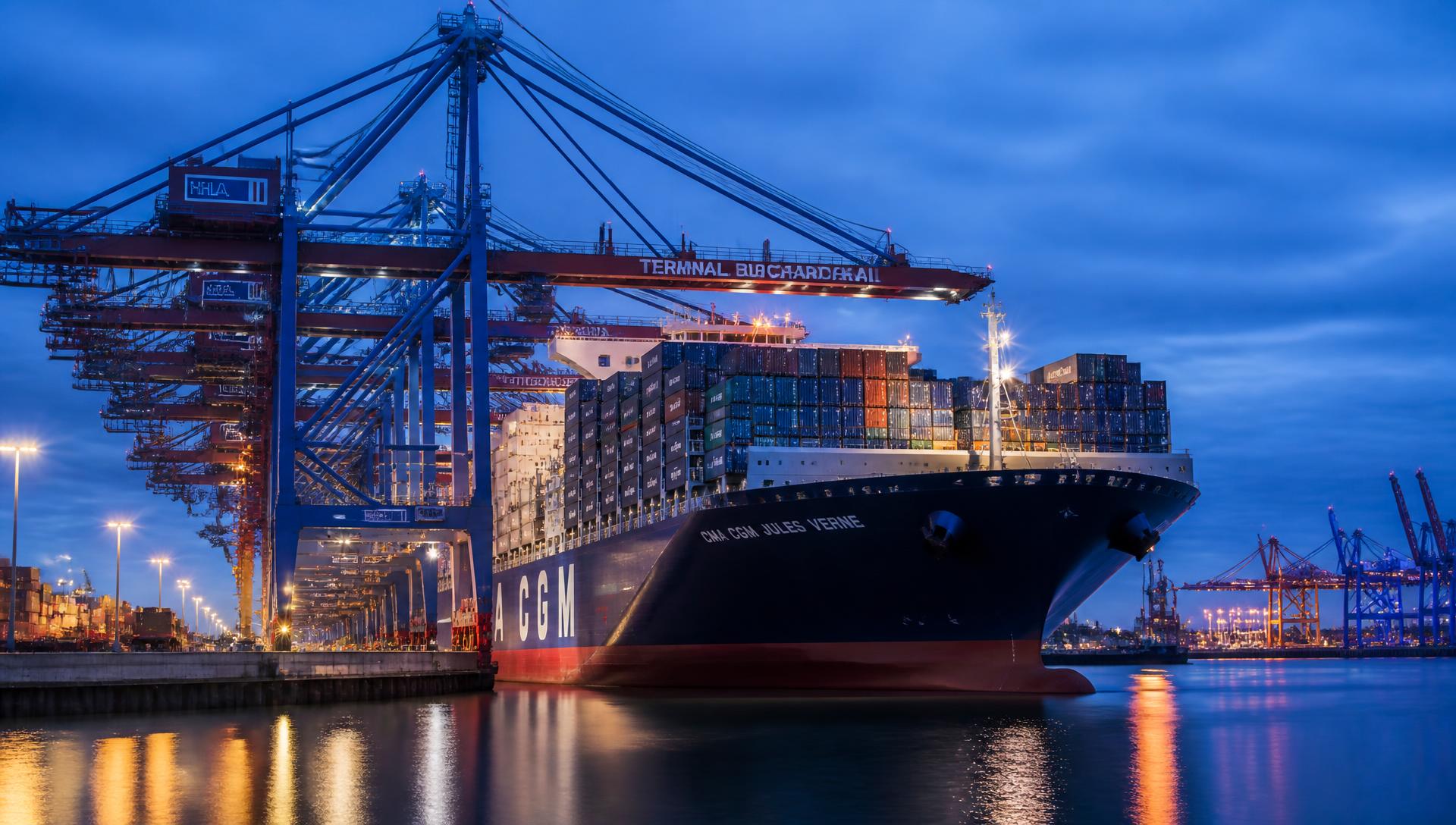
Consolidation works differently: your cargo shares an ocean container with other shippers leaving Montreal to Dakar. You pay for the space you actually use, which drives the cost per kilo down as volume grows. It is the standard solution for regular family shipments and small importers.
Ocean freight requires more patience than air, but it moves volumes air cannot match at a controllable budget. For anything that is not urgent, it is almost always the best cost-to-volume ratio.
What you can ship to Dakar — and what we refuse
We routinely accept family parcels, barrels, commercial goods and professional equipment, along with cartons of clothing, wrapped kitchenware, small flat-packed furniture and IT equipment.
Always refused: flammable liquids, gas cylinders, ammunition, chemicals, perishables, narcotics, cash, high-value jewellery and anything prohibited by Canadian export rules or by the customs authority at destination.
Some items need clearance first: lithium batteries, engines or parts holding fuel residue, appliances with refrigerant gas, medication and food products. Declare them before drop-off — an honest declaration avoids an expensive inspection on arrival.
The six steps of a shipment from Montreal to Dakar
1. Estimate and quote. You describe the contents, the number of pieces and approximate dimensions. We confirm the space required and the price.
2. Packing and labelling. You pack, number and label every piece, and write a detailed content list.
3. Drop-off or pickup. Drop off at 6135 boul. Couture, Saint-Léonard (Montreal), or we arrange a pickup across Quebec and Ontario.
4. Receiving and measuring. At the warehouse every piece is counted, weighed and measured. Billable volume is confirmed before loading.
5. Loading and departure from Montreal. Your cargo is stowed in the container, which leaves Montreal once full. We send you the shipment references.
6. Arrival and release. At the Port of Dakar, the consignee presents documents, settles local charges and collects the cargo. Dakar is also a gateway to Bamako through the Dakar–Bamako corridor.
Packing and labelling properly
A new double-wall carton survives port handling; a recycled grocery box does not. Fill every void, keep each box liftable by two people, and tape all seams with reinforced packing tape.
Plastic barrels with locking-ring lids protect clothing, dry food and toiletries better than cardboard. Furniture must be dismantled; dishes must be wrapped individually and stacked vertically in a rigid carton.
Label every piece inside and out: shipper name and phone, consignee name and phone, destination city, and piece number (1/6, 2/6…). A torn label stops being a problem when the same information sits inside the box.
Documents to prepare
For a non-commercial shipment: a detailed content list per piece with estimated values, shipper ID, and full consignee details including a reachable local phone number.
For a commercial shipment, add the commercial invoice, the packing list and, depending on the cargo, a certificate of origin or sector-specific paperwork. The bill of lading is issued after loading — it is the document that releases the cargo at destination.
Check the spelling of the consignee's name against their ID. A single letter of difference can delay release by days.
What drives the price
Volume. The main factor: consolidation is billed on the space occupied, not weight alone. A light but bulky box is expensive.
Weight and density. A dense crate of tools and a carton of duvets load very differently; both parameters count.
Type of cargo. A vehicle, an engine or anything needing special handling is not treated like a standard carton.
Optional services. Home pickup, packing, palletising, insurance and extended storage add to the freight itself.
Destination charges. Duties, taxes, port handling and inland delivery are set locally to Dakar and are payable by the consignee. No serious carrier can guarantee them in advance — always ask for them to be listed separately in the quote.
How to compare two quotes. Compare the billing unit (cubic foot, cubic metre, kilo), what the price covers (to port or to door), insurance, and the list of excluded local charges. A very low headline price that excludes every arrival cost is often more expensive overall than a complete quote.
Arrival at the Port of Dakar and customs clearance
On arrival the container is discharged and deconsolidated. The consignee is notified and must attend with ID and the shipment references. Dakar is also a gateway to Bamako through the Dakar–Bamako corridor.
Clearance depends on the local authority, not on the carrier. Brief your consignee early: they need a budget for duties and taxes, quick responses to document requests and, if unfamiliar with the process, a local customs broker.
Storage and demurrage charges start after the free time granted by the port. A responsive consignee is the best way to avoid them.
Consolidation or full container?
| Criterion | Consolidation (LCL) | Full container (FCL) |
|---|---|---|
| Suitable volume | A few boxes to a few pallets | Full move, commercial lot |
| Cost | You pay for the space used | Flat rate for the whole box |
| Departure | When the container fills | As soon as your load is ready |
| Handling | Deconsolidated on arrival | Delivered sealed |
| Best for | Family shipments, small lots | Importers and large volumes |
If your volume approaches a full container, our container booking in Montreal service lets you reserve your own 20ft or 40ft box departing Montreal.
The most common mistakes
Underestimating volume, overloading boxes, skipping the content list, giving an unreachable phone number at destination, declaring an unrealistic value to reduce duties, or booking at the last minute — those are the six usual causes of trouble.
The costliest one is an unprepared consignee. Someone who has been briefed, with documents and a clearance budget ready, collects quickly; someone caught off guard accumulates storage charges.
Frequently asked questions
Can I ship from Montreal to Dakar as a private individual?
Yes. Family and personal shipments make up a large share of our consolidation volume.
How long does the shipment take?
Transit depends on the shipping line, container filling, port calls and formalities on arrival. We confirm an estimate when you book rather than quoting a theoretical figure.
Do you offer home pickup?
Yes, across Quebec and Ontario. Pickup is an optional service priced by distance and volume.
Can I combine boxes with a relative's shipment?
Yes, provided every piece is clearly identified and a single consignee is named for release, or the lots are separated in the paperwork.
Who pays customs duties?
The consignee, based on the local tariff. These charges are not included in the freight price.
Can I insure the cargo?
Yes. Insurance is optional and calculated on declared value. We strongly recommend it for electronics and fragile items.
Can I track my shipment?
Yes. After loading we send you the shipment references and stay reachable on WhatsApp at every step.
Do you ship to Dakar from a city other than Montreal?
No. All our international departures leave from Montreal. We do collect cargo throughout Quebec and Ontario and bring it back to our warehouse.
Request your quote for Dakar
Tell us about your shipment: number of pieces, approximate dimensions, contents and destination city. We come back with a clear quote separating what is included from Montreal and what remains payable on arrival.
Message us on WhatsApp for a fast reply, or fill in the booking form. You can also browse our ocean consolidation page or reach us through the contact page.