🧭 Logistics
Shipping a Container from Montreal to Africa: The 7 Steps, Explained
From booking to final delivery: the complete journey of a container shipped from Montreal to Africa, explained step by step by Montreal freight forwarders.

Shipping goods from Canada to the African continent is a complex logistical endeavor that requires careful planning, strict compliance with international trade regulations, and a reliable partner to ensure your cargo arrives safely and on time. As a freight forwarder based in Montreal, we have helped countless businesses and individuals navigate the intricacies of moving goods across the Atlantic, ensuring that their shipments from Montreal to various African ports are handled with the highest level of professional care.
Understanding the full scope of the export process is the first step toward a successful shipment. Whether you are sending commercial machinery, household goods, or specialized industrial equipment, the process of moving a container from the heart of Quebec to a bustling African terminal involves several interconnected stages, including documentation, secure packing, intermodal transportation, and careful orchestration with ocean carriers. By breaking down the journey into distinct, manageable steps, you can avoid common pitfalls and ensure your shipment remains on track throughout the voyage.
1. Initial Planning and Volume Assessment
Before any cargo moves, you must define the scope of your shipment. This involves calculating the total volume and weight of your goods to determine the appropriate container size—typically a 20-foot or 40-foot container. It is vital to assess the nature of the cargo to determine if it requires specialized equipment, such as a high-cube container for taller items or a refrigerated container for perishables.
At this stage, you should also consider the specific destination requirements in Africa. Many African nations require specialized documentation, such as the Electronic Cargo Tracking Note (ECTN) or the Bordereau Électronique de Suivi de Cargaison (BESC). Failure to secure these documents before the cargo arrives can lead to heavy fines or seizure of goods. We always recommend starting with a formal consultation through our container booking service to ensure your plan aligns with local regulations at your destination port.
2. Container Booking and Equipment Allocation
Once your volume is established, the next step is securing space on an ocean vessel. This is a critical milestone that locks in your transit time and cost structure. Because the shipping market is dynamic, capacity can fluctuate based on seasonal demand and global trade trends. Booking in advance is your best defense against equipment shortages or vessel space constraints.
During the booking process, we verify that your cargo is compatible with current export requirements from Montreal. Remember, all international shipments managed by our team depart exclusively from the Port of Montreal. This consistency allows us to streamline our coordination with the terminal operators, ensuring that your equipment is ready when you are.
3. Cargo Preparation and Stuffing
If your goods are not yet palletized or crated, you will need to prepare them for the rigors of ocean transport. Ocean freight involves significant movement and potential moisture buildup within the container. Proper blocking and bracing are non-negotiable; your goods must be secured so that they cannot shift during the voyage.
If you do not have an in-house facility to handle this, our team provides expert container loading services. We ensure that weight distribution is balanced—which is crucial for the stability of the vessel—and that all items are protected against potential damage. This includes the use of desiccants to manage humidity and professional-grade strapping to keep everything in its place.
4. Documentation and Compliance
Documentation is the backbone of international shipping. This includes the Commercial Invoice, the Packing List, the Certificate of Origin, and the Bill of Lading. For shipments bound for Africa, the accuracy of these documents is even more critical due to the aforementioned tracking notes required by many African customs authorities.
Providing clear and accurate descriptions of your goods is mandatory. Any discrepancies between your paperwork and the actual contents of the container can lead to significant delays at customs, both in Canada during the export declaration and at the final port of entry. We guide our clients through every document, ensuring that your files are pristine before the container reaches the port.
5. Inland Logistics: Moving the Cargo to Montreal
With the container loaded and the documentation finalized, the next step is the drayage—the inland transport of your container to the Port of Montreal. Whether your goods are loaded at a warehouse in Ontario or a facility in Quebec, the container must be scheduled to arrive at the terminal within the vessel's specific cut-off window.
Timeliness is essential here. Missing a cut-off time can mean your cargo is "rolled" to the next available sailing, which could be weeks away. We coordinate with our network of reliable truckers to ensure that your container is picked up, transported, and delivered to the specific terminal (such as Viau or Termont) exactly when required, managing all appointment slots through the port’s digital scheduling systems.
6. The Ocean Voyage
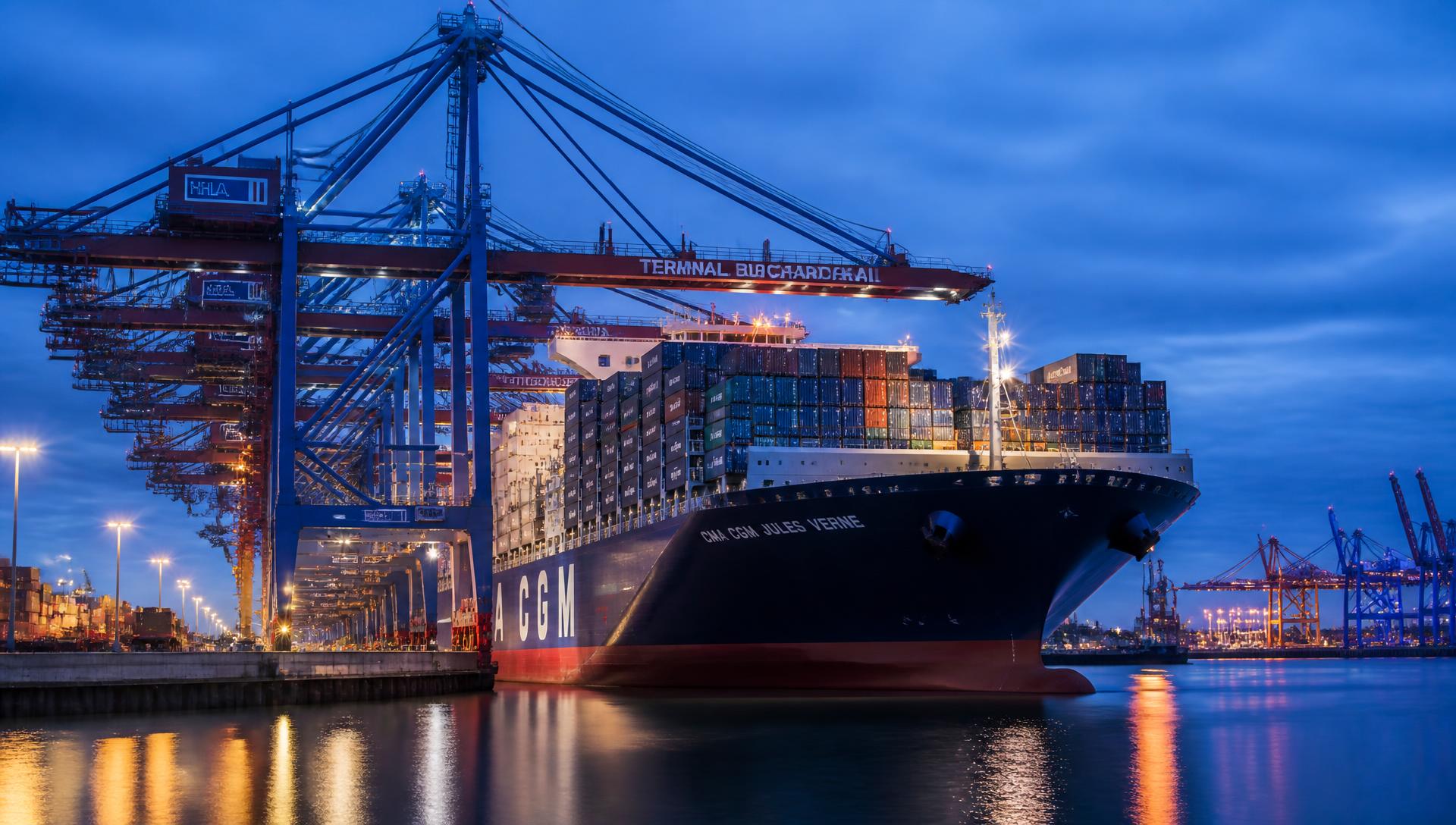
Once the container is gated into the Port of Montreal, it is loaded onto a vessel destined for your African port of call. Most services from Montreal transit through major European hubs like Antwerp, Rotterdam, or Tangier Med before moving onto the final African destination.
During the voyage, we monitor the progress of the vessel. We act as your eyes and ears on the water, providing updates if weather, port congestion, or other variables arise. While the ocean transit is largely out of human control, having a proactive freight forwarder ensures you are always informed about your shipment's status and expected arrival date.
7. Arrival and Delivery
Upon arrival at the destination port in Africa, the container will be offloaded and moved to the terminal’s container yard. Your consignee or customs broker will then need to initiate the customs clearance process. Once cleared, the container is released for inland delivery to its final destination.
It is important to understand whether your shipment is being sent on an FOB (Free on Board) or DDP (Delivered Duty Paid) basis. Depending on the Incoterms chosen, the responsibilities for local handling and final delivery will vary. Our team is always available to clarify these details and help you understand your obligations.
Understanding Regional African Port Nuances
Exporting to Africa is not a monolithic task; each region and port has its own set of unique operational characteristics. For instance, West African ports such as Dakar, Abidjan, and Lagos often have different documentation timelines compared to East African gateways like Mombasa or Dar es Salaam. Understanding these local nuances is essential for avoiding unexpected delays.
We work closely with local agents in each of these regions to ensure we stay informed about the latest terminal developments and customs requirements. This regional expertise allows us to provide you with more accurate transit time estimates and better guidance on how to prepare your cargo for specific local conditions. By leveraging our deep knowledge of the African logistical landscape, we help you navigate the complexities of international trade with greater confidence and success.
Advanced Logistics Planning and Strategic Growth
For businesses looking to establish a long-term presence in African markets, logistics must be treated as a strategic asset. This involves more than just moving containers; it requires ongoing optimization of your supply chain, from manufacturing to final delivery. We partner with our clients to analyze their shipping patterns and identify opportunities for cost savings and efficiency gains.
Our consultative approach ensures that your logistics strategy evolves alongside your business. We keep a close eye on global trade trends and regulatory changes, providing you with the insights needed to stay ahead of the competition. By partnering with us for your exports from Montreal, you gain access to a wealth of logistical expertise that helps you grow your business and build more resilient connections with your African partners.
Pre-Shipment Checklist
- Confirm container size (20-ft, 40-ft, or high-cube).
- Verify the need for an ECTN/BESC or other African-specific certificates.
- Ensure all goods are professionally palletized and braced.
- Verify the Bill of Lading details against the Commercial Invoice.
- Confirm the vessel's cut-off date at the Port of Montreal.
- Arrange for cargo insurance to cover the full value of the goods.
- Coordinate trucking appointments to avoid terminal congestion.
Frequently Asked Questions
Can I ship my vehicle to Africa?
Yes, we facilitate the shipping of vehicles to Africa, but strictly via containerization. We do not support any other method. We can assist with the loading, securing, and documentation required for exporting passenger vehicles, trucks, or heavy machinery within a secure container from our Montreal facilities.
How long does it take for a container to reach Africa from Montreal?
Transit times vary depending on the destination port and the ocean carrier’s routing, specifically regarding transshipment schedules at hub ports. Generally, you should plan for a multi-week transit, but we will provide you with the most current estimates at the time of your booking.
What happens if my container is delayed at the port?
Port congestion or vessel delays are always a risk in international shipping. We work with our partners to minimize these occurrences and provide contingency plans if a shipment is significantly impacted, keeping you informed at every step of the process.
Do I need special insurance?
We strongly recommend comprehensive marine cargo insurance. While carriers have liability limits, they rarely cover the full value of the goods in the event of loss or damage. We can help you secure the appropriate coverage for your specific shipment.
How do I get started with a booking?
You can start by visiting our container booking page to submit your details. Our team will review your requirements and provide you with a tailored logistics plan for your export to Africa.
[[CTA]]
For any immediate inquiries or to discuss your specific logistics needs, you can reach out to our team via WhatsApp at +1 514-718-0282. Our experts are ready to ensure your next shipment from Montreal to Africa is handled with the precision and professionalism it deserves, helping you grow your reach in international markets with confidence.