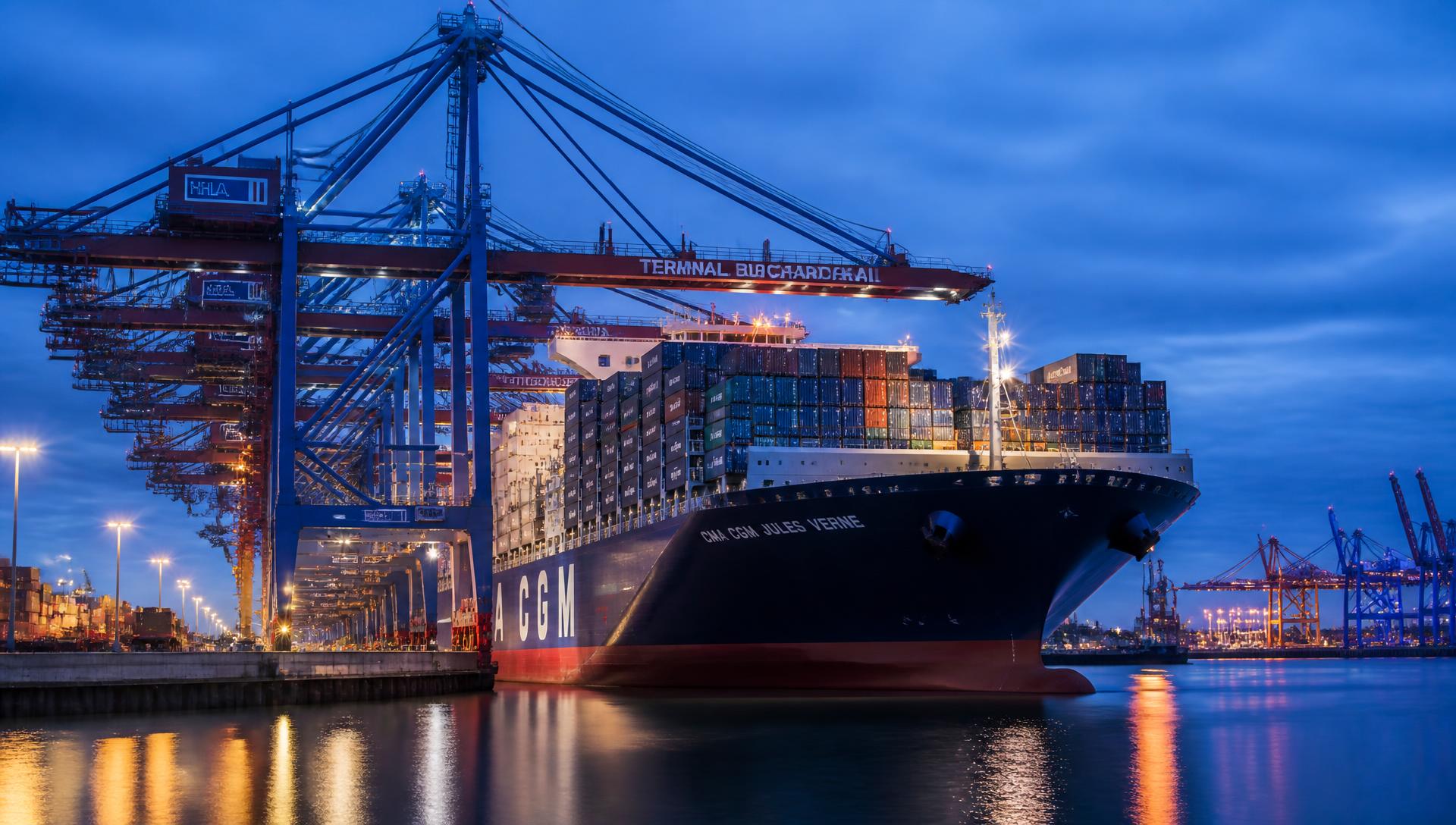

The efficiency of an international export shipment is often determined by the very first leg of the journey: inland trucking. For exporters throughout Quebec and Ontario, getting goods from the factory or warehouse to the Port of Montreal is a critical step that requires precise timing, the right equipment, and a deep understanding of terminal operations. As the primary hub for all our international departures, Montreal serves as the focal point where land-based logistics meets global ocean freight.
Inland trucking, often referred to as drayage when it involves short distances to a port, is the backbone of the "first mile." Without a reliable trucking strategy, even the best-planned ocean voyage can be derailed by missed appointments, equipment shortages, or traffic congestion. Navigating the logistics corridors of Montreal requires more than just a driver and a truck; it requires a coordinated effort to ensure that containers are picked up, loaded, and gated into the terminal within the narrow windows provided by the shipping lines.
Equipment Types: 20-ft, 40-ft, and 53-ft Trucks
The first step in planning your inland logistics is selecting the right equipment. For containerized exports, this typically involves a tractor-trailer unit pulling a chassis designed for 20-foot or 40-foot ocean containers. The choice of container depends on the volume and weight of your goods, which we help you determine during the container booking phase.
In some cases, exporters may use 53-foot dry vans to move goods from their facility to a consolidation warehouse in Montreal. These larger trailers offer more space for domestic transport but cannot be loaded onto an ocean vessel. Once the 53-foot truck arrives at our Montreal facility, the goods are cross-docked into ocean-bound containers. This two-step process is common for businesses in Ontario who want to maximize their land-transport efficiency before the final export stuffing.
Scheduling and Terminal Appointments
The Port of Montreal operates on a sophisticated appointment system designed to manage the flow of trucks and reduce congestion. Terminals like Termont and MGTP (Montreal Gateway Terminals Partnership) require truckers to book specific time slots for both "gate-ins" (dropping off a full container) and "pick-ups" (collecting an empty container).
Missing an appointment can result in significant delays and additional costs, such as "waiting time" fees from the trucking company. Our logistics team manages these appointments with precision. We coordinate between the shipper, the trucking company, and the terminal to ensure that everyone is aligned. This coordination is particularly important during peak periods when appointment slots can fill up quickly, making proactive scheduling a necessity for a smooth export process.
The Importance of Vessel Cut-Offs
Every ocean vessel has a "cut-off" date and time—the absolute deadline by which a container must be gated into the port to be loaded onto that specific ship. If a truck arrives after the cut-off, the container will be refused, and the shipment will be delayed until the next available vessel. This can lead to missed deadlines for your customers and additional storage fees at the port.
We work backward from the vessel cut-off to determine the ideal loading time at your facility. We factor in the transit time from your location in Quebec or Ontario, potential traffic in the Montreal area, and the time needed to secure a terminal appointment. This strategic planning ensures that your cargo arrives at the Port of Montreal with plenty of time to spare, providing a buffer against the unpredictability of road travel.
Navigating Montreal's Logistics Corridors
Montreal is a major logistics hub, but it is also a busy metropolitan area with significant traffic and ongoing infrastructure projects. Moving heavy containers through the city’s highway network—including the A-20, A-40, and the new Turcot Interchange—requires experienced drivers who know the best routes and the times to avoid.
Our network of trucking partners consists of professionals who specialize in port drayage. They are familiar with the specific requirements of each terminal at the Port of Montreal and are adept at navigating the city's unique challenges. Whether your goods are coming from a manufacturing plant in Mississauga or a warehouse in Laval, we ensure the trucking leg is handled by experts who prioritize safety and punctuality.
Technology and Real-Time Tracking in Drayage
Modern drayage operations rely heavily on technology to maintain efficiency. Every truck in our network is equipped with GPS tracking and electronic logging devices, allowing us to monitor the location of your container in real-time. This visibility is crucial for managing the tight schedules required by port terminal appointments and vessel cut-offs.
By integrating this data into our logistics management system, we can provide you with accurate updates on the status of your shipment. If a truck is delayed by a sudden road closure or a longer-than-expected turn time at the port gate, we are notified immediately and can take corrective action. This level of technological integration ensures that we remain proactive, rather than reactive, in managing your inland logistics.
Weight Limits and Compliance
Inland trucking is subject to strict weight regulations. Overweight containers can lead to heavy fines, road safety issues, and the refusal of the container at the port gate. It is essential to ensure that the weight of your cargo, combined with the weight of the container and the truck, does not exceed the legal limits for the roads in Quebec and Ontario.
During the services/container-loading process, we pay close attention to weight distribution. If your cargo is particularly heavy, we may recommend using specialized lightweight chassis or adjusting the load to remain compliant. By addressing these issues before the truck leaves the warehouse, we prevent costly delays and ensure the safety of everyone involved in the transport process.
Managing "Empty" Returns and Chassis Availability
The logistics of trucking also involves the management of empty containers and chassis. Before your goods can be loaded, an empty container must be picked up from a container yard and brought to your facility. Once your container is delivered to the port, the truck must then manage the return of the chassis or the pick-up of the next assignment.
Chassis shortages can sometimes occur in the industry, which is why having a freight forwarder with deep local connections is vital. We work closely with our partners to ensure that equipment is available when you need it. Our comprehensive approach to consolidation and drayage management ensures that the "empty" leg of the journey is handled as efficiently as the "full" leg, keeping your supply chain moving smoothly.
Enhancing Driver Safety and Operational Excellence
Driver safety is a paramount concern in our inland trucking operations. We partner with carriers who maintain the highest safety standards and provide regular training to their drivers. A safe driver is a reliable driver, and our commitment to safety ensures that your cargo is handled with care and reaches its destination without incident.
Beyond safety, we prioritize operational excellence through rigorous performance monitoring. We track metrics such as on-time pick-up and delivery, terminal turn times, and equipment maintenance. This data-driven approach allows us to continuously improve our trucking services, providing our clients with a more reliable and efficient logistical experience. By focusing on both safety and excellence, we ensure that the inland leg of your shipment is a solid foundation for the rest of its journey.
Inland Trucking Checklist
- Confirm the container size and type required for your cargo.
- Verify the loading address and ensure there is adequate space for a tractor-trailer.
- Establish a clear loading schedule that allows for the vessel cut-off.
- Ensure the truck driver has all necessary paperwork, including the booking confirmation.
- Monitor terminal appointment availability at the Port of Montreal.
- Confirm that the cargo weight is within legal limits for road transport.
- Maintain communication with the driver for real-time updates on arrival times.
Frequently Asked Questions
Can I use my own trucking company to deliver to the port?
Yes, you can use your own carrier, but they must be registered with the Port of Montreal and be familiar with the terminal appointment systems. We often recommend using our specialized partners to ensure seamless coordination with our export operations.
What is "drayage"?
Drayage refers to the short-haul transport of goods, typically between a port and a nearby warehouse or rail yard. In Montreal, drayage is the final trucking leg that brings your export container to the terminal docks.
How much notice do you need to book a truck?
We recommend booking your inland transport as early as possible, ideally at the same time as your container booking. Providing at least a week's notice helps ensure equipment and driver availability.
What happens if the truck is delayed by traffic?
Traffic is a reality in Montreal. We build buffer time into our schedules to account for common delays. If a significant delay occurs, we work with the terminal to adjust appointments or find the next available slot to minimize the impact on your shipment.
Do I need to be present when the container is loaded?
While you don't personally need to be there, a responsible party must be present to oversee the loading, ensure the cargo is secured, and sign the necessary transport documents.
How do I get a quote for trucking to the Port of Montreal?
Contact us through our contact page. We will need the pick-up location, the container size, and the weight of your cargo to provide an accurate estimate for the inland leg of your export.
[[CTA]]
Inland trucking is the vital link that connects your business to the global market via the Port of Montreal. For expert guidance on your next export shipment or to discuss your trucking needs, reach out to us via WhatsApp at +1 514-718-0282. Our team is committed to ensuring your goods move from your door to the dock with efficiency and professional care.