
Your Guide to Shipping a Car from Montreal to Togo
West Africa is a major destination for vehicles from Canada, and Togo is a central hub in this dynamic trade. With its strategic location and modern port infrastructure, Lomé stands out as a prime destination. For individuals and businesses in Quebec and Ontario, understanding the process to ship a car from Montreal to Togo is the first step toward a successful export project. Whether you are relocating, sending a vehicle to family, or exporting for commercial purposes, the journey begins in Montreal, Canada's key gateway for transatlantic freight.
VELOX Logistics specializes in this corridor, managing the entire export process from our Montreal facility. This guide provides a comprehensive overview of shipping your car in a container to the Port of Lomé, a process that is secure, reliable, and efficient when handled by experienced professionals.
Sending a Car from Montreal to Lomé: The Process
The journey for your vehicle begins long before it reaches the ocean. If you're based in Quebec or Ontario, the process starts with getting your vehicle to our loading facility in Montreal. VELOX Logistics can arrange for the trucking and pickup of your car, or you can deliver it yourself. Once it arrives, the vehicle is prepared for its international voyage, a series of precise steps designed to ensure its safety and compliance with both Canadian export and Togolese import regulations. The core of the service is securing your vehicle inside a steel shipping container, the industry standard for safe and protected international car shipping.
How the Ocean Leg Works: Montreal to Lomé
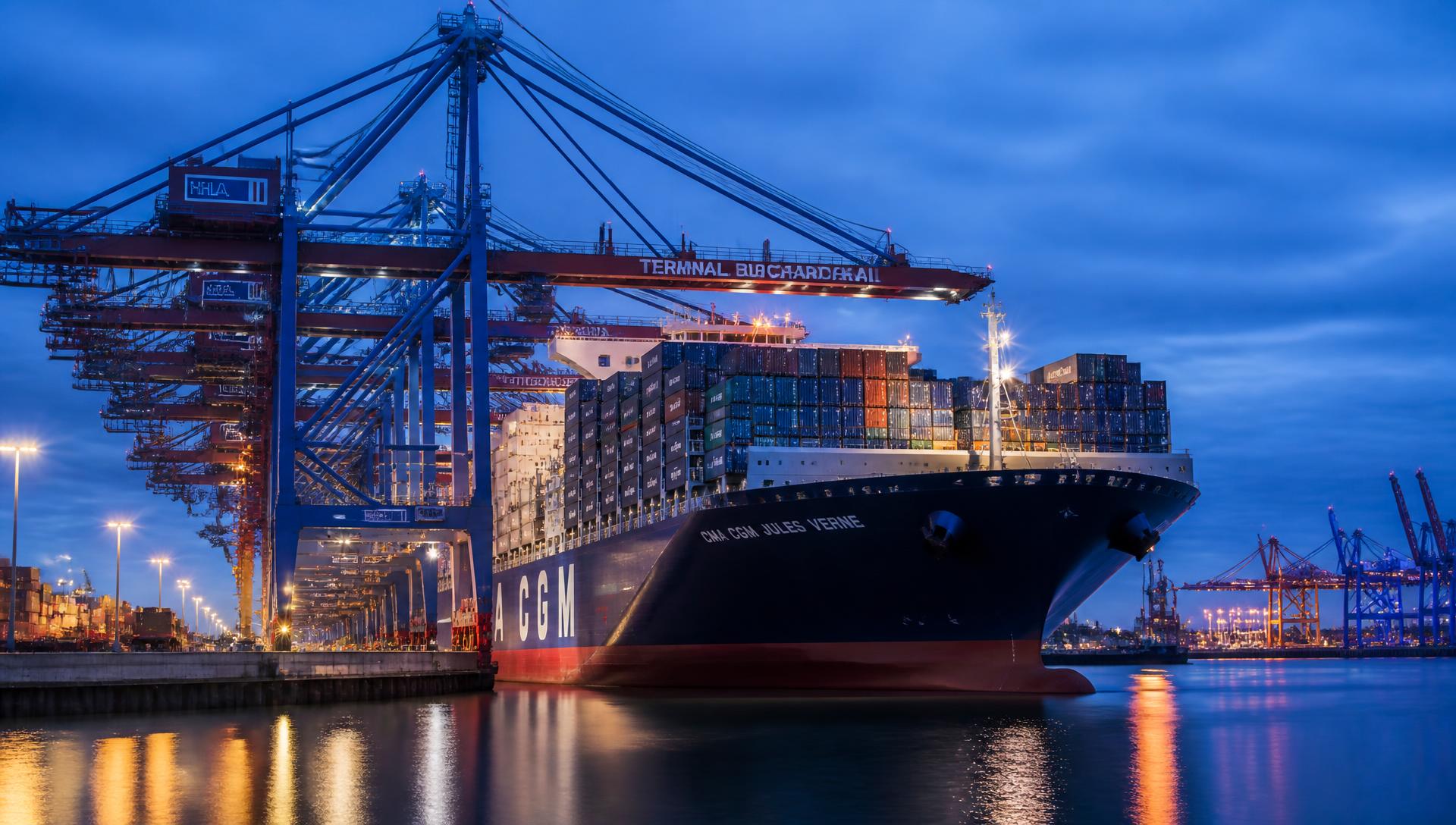
All our international shipments depart from the Port of Montreal. From here, your container is loaded onto a container ship bound for the Atlantic crossing. The vessel will sail to a major European hub before connecting to a feeder vessel heading down the West African coast.
Your vehicle's destination is the Port Autonome de Lomé. Notably, Lomé is home to the Lomé Container Terminal (LCT), one of the most efficient and modern terminals in the region. As the deepest natural port on the West African coast, Lomé can accommodate the largest container vessels, resulting in frequent service and competitive routing options. Its status as a major transshipment hub means your container benefits from a vast network of connections, ensuring a streamlined journey.
Container Shipping Options for Togo
This method offers superior protection from the elements, physical damage, and theft during transit. You have two primary choices for container shipping:
-
Full Container Load (FCL / Sole Use): You rent an entire 20-foot or 40-foot container for your exclusive use. A 20ft container typically holds one standard vehicle, while a 40ft container can accommodate two standard cars or one larger vehicle like a pickup truck plus additional cargo. This is an excellent option if you're shipping multiple vehicles or want to include personal effects or commercial goods alongside your car (subject to customs rules).
-
Less than Container Load (LCL / Consolidation): If you are only shipping one car, our consolidation service is a highly cost-effective solution. Your vehicle is loaded into a 40-foot container alongside other vehicles bound for the same destination. You only pay for the space your vehicle occupies. VELOX has deep expertise in automobile consolidation and offers regular departures to Lomé. You can learn more about our specific consolidation service to Lomé.
How to Prepare Your Vehicle Before Loading
Proper preparation is essential for a smooth and safe shipping process. Before your vehicle is loaded into the container, you should:
- Clean the Vehicle: The car should be thoroughly cleaned inside and out. This allows for a clear inspection of the vehicle's condition upon its arrival at our warehouse.
- Remove Personal Belongings: All non-essential personal items, electronics, and valuables must be removed. Only standard vehicle accessories like a spare tire and a jack should remain. Shipping personal goods inside the car is heavily restricted by customs authorities.
- Check the Fuel Level: The fuel tank should be no more than one-quarter full. This is a standard safety requirement for international vehicle shipping.
- Ensure it's in Running Condition: The vehicle must be able to be driven for loading and unloading purposes. Ensure the battery is charged and there are no significant fluid leaks.
Documents Usually Required for Export
To export a vehicle from Canada, you will need to provide a clear set of documents to prove ownership and your identity. While specific requirements can vary, the typical documents include:
- Proof of Ownership: The original vehicle title or registration (ownership certificate), which must be in the shipper's name.
- Bill of Sale: If you recently purchased the vehicle, a dated bill of sale is required to prove the transaction.
- Photo Identification: A copy of your valid driver's licence or passport.
- Lien Release Letter: If the vehicle was ever financed, you must provide a letter from the financial institution confirming that the loan has been fully paid off and there are no outstanding liens on the vehicle.
Canadian Export Formalities from Montreal
Before any vehicle can be loaded onto a ship in Montreal, it must be cleared for export by the Canadian government. This involves reporting the export to the Canada Border Services Agency (CBSA). VELOX Logistics manages this crucial step on your behalf. We will use the documentation you provide to file the required export declaration. This declaration informs the CBSA of the vehicle's details and its intended destination. It's a mandatory compliance step that ensures your vehicle legally exits the country.
What Happens Before Loading in Montreal
The process at our Saint-Léonard facility is methodical and transparent.
- Booking: You book your shipment with our team and choose your container option (sole use or consolidated).
- Vehicle Reception: You can deliver your vehicle to our warehouse at 6135 boul. Couture, or we can arrange for it to be picked up from your location in Quebec or Ontario.
- Inspection and Photos: Upon arrival, we conduct a detailed inspection of the vehicle, documenting its condition with photos. This report serves as a reference point for when the vehicle arrives in Lomé.
- Loading and Lashing: Our experienced team then proceeds with the container loading in Montreal. The vehicle is carefully driven into the container and secured using a professional lashing system of straps and wheel chocks. This prevents any movement during the ocean voyage.
- Sealing: Once loading is complete, the container is sealed with a unique seal number. This seal remains intact until the container is opened by customs authorities in Lomé, ensuring the security of your vehicle.
The Voyage and Arrival in Lomé
After the container is trucked to the Port of Montreal and loaded onto the vessel, the sea voyage begins. You will be provided with tracking information to follow your container's journey. Upon arrival at the Port Autonome de Lomé, the container is offloaded at the Lomé Container Terminal. The terminal's efficiency and a high number of vessel calls contribute to a more predictable arrival process compared to other regional ports.
Customs and Formalities in Togo
Once your container arrives in Lomé, it must be cleared through Togolese Customs (Douanes Togolaises). This is not a process you can handle on your own; it must be managed by a licensed customs broker in Togo (known as a transitaire).
Your broker will handle all the necessary paperwork, duty and tax calculations, and payments. Togo is a member of both ECOWAS (Economic Community of West African States) and UEMOA (West African Economic and Monetary Union), which influences its trade policies. The customs clearance process is conducted in French.
It is absolutely critical to verify Togo's current import regulations for used vehicles before you even purchase a car in Canada for export. These regulations can include restrictions on vehicle age, and confirming them beforehand with your chosen Togolese customs broker will prevent costly surprises.
Another key advantage of Lomé is its role as a primary transit corridor for landlocked countries. If your vehicle's final destination is Ouagadougou or Bobo-Dioulasso, the process starts in Lomé. You can find more information on our dedicated shipping to Burkina Faso page.
Comparing Container Options for Togo
Choosing between a sole use and a shared container is a key decision. Here is a comparison to help you decide:
| Feature | Sole Use Container (FCL) | Shared Container (Consolidation/LCL) |
|---|---|---|
| Best For | Shippers with 2+ cars, large vehicles, or those shipping a car with other goods. | Shippers with a single standard-sized car. |
| Capacity | A 20ft container holds one car. A 40ft container holds up to two cars. | You share a 40ft container with other shippers' vehicles. |
| Loading Flexibility | You can potentially ship other items (furniture, etc.) along with your vehicle. | Strictly for vehicles. No personal items or other cargo is permitted. |
| Cost Structure | You pay a flat rate for the entire container, regardless of how full it is. | You pay only for the space your vehicle occupies, making it very cost-effective for one car. |
| Departure Timing | Can be scheduled more flexibly as you are not waiting for other cargo to fill the container. | Departs on a regular schedule once the container is full. May involve a short wait. |
Factors that Influence the Price of Shipping
It is impossible to state a fixed price for shipping a car, as costs are dynamic. The final quote will depend on several factors:
- Container Choice: A sole use 40ft container will have a different cost structure than sharing space in a consolidated container.
- Vehicle Size: Larger vehicles like a Ford F-150 or a large SUV take up more space and may cost more to ship than a Toyota Corolla.
- Origin Location: The cost of trucking the vehicle to our Montreal warehouse from locations in Ontario or remote Quebec will be added to the total.
- Shipping Line Rates: Ocean freight rates fluctuate based on global demand, fuel costs, and available capacity.
- Seasonality: Shipping during peak seasons can sometimes lead to higher rates.
For a precise and up-to-date quote, it is always best to contact us directly.
Factors that Influence the Timeline
Similar to cost, transit time is not a fixed number. Key factors affecting the total duration include:
- Shipping Schedule: Consolidated shipments depend on having enough vehicles to fill a container, which can affect the departure date. FCL shipments offer more flexibility.
- Vessel Routing and Transshipment: The specific route taken by the shipping line and the efficiency of any transshipment ports (hubs where containers are moved to another vessel) play a significant role.
- Port Congestion: While Lomé is highly efficient, congestion at either the departure or arrival port can cause delays.
- Customs Clearance in Togo: The speed at which your chosen customs broker in Lomé can process your file will determine how quickly your vehicle is released.
Types of Vehicles We Can Ship
Our container loading in Montreal capabilities allow us to ship a wide variety of vehicles to Togo, including:
- Sedans (e.g., Toyota Camry, Honda Accord)
- SUVs (e.g., Toyota RAV4, Honda CR-V)
- Pickup Trucks (e.g., Ford Ranger, Toyota Hilux)
- Minivans and Passenger Vans
If you are looking to source a vehicle, we can also assist. Check out our inventory of export-ready vehicles available for purchase.
Advice Before Buying a Car in Canada for Export to Togo
If you plan to purchase a vehicle in Canada specifically to export it to Togo, exercise due diligence. The most important step is to consult a licensed customs broker in Lomé before you buy the car. They can provide up-to-the-minute information on:
- Vehicle Age Restrictions: Many countries have a maximum age limit for imported used vehicles.
- Duties and Taxes: Your broker can give you an estimate of the customs duties, VAT, and other taxes you will have to pay upon arrival.
- Required Documentation: Ensure you can obtain all necessary ownership documents from the seller in Canada.
Buying a car without confirming its eligibility for import into Togo is a very risky and potentially expensive mistake.
Common Mistakes to Avoid
- Leaving Personal Items in the Car: This can lead to customs fines, delays, or the confiscation of your items in Lomé.
- Incomplete Documentation: Forgetting the lien release or having a bill of sale that doesn't match the ownership papers will halt the export process.
- Ignoring Destination Costs: The shipping cost from Montreal is only part of the total expense. Budget for customs duties, taxes, and broker fees in Togo.
- Not Vetting Your Customs Broker: Choosing an unreliable or inefficient broker in Lomé can lead to major delays and extra storage costs at the port.
Why Work with VELOX Logistics in Montreal?
Choosing VELOX Logistics means partnering with a specialist in the Canada-to-West Africa shipping lane. Our entire operation is based in Montreal, the departure point for your shipment. We don't just book space; we physically handle, inspect, and load your vehicle at our own facility.
- Container Expertise: We focus exclusively on container shipping, the safest method for your car.
- Consolidation Specialist: Our consolidation service to Lomé is a core part of our business, offering a reliable and affordable option for single-vehicle shippers.
- Local Montreal Operation: Our team at 6135 boul. Couture in Saint-Léonard manages your shipment directly, ensuring quality control from start to finish.
- Experience: We understand the nuances of exporting to West African markets and can guide you through the Canadian side of the process seamlessly.
How to Request a Quote
Ready to start the process to ship a car from Montreal to Togo? Getting a personalized, no-obligation quote is easy. Contact our expert team with the details of your vehicle (year, make, model) and your preferred shipping option (sole use or consolidated).
Contact us today on WhatsApp or by phone at +1 514-718-0282, or fill out the form on our contact page.
FAQ
Can I ship personal items inside my car to Togo?
No. Togolese customs regulations are very strict about this. You must remove all personal belongings from the vehicle before shipping. Only standard vehicle accessories should remain. Attempting to ship personal goods can lead to fines and significant delays.
What is a 'customs broker' or 'transitaire' in Togo?
A licensed customs broker, known locally as a transitaire, is a professional authorized by the Togolese government to handle import declarations and customs clearance. Their services are mandatory for clearing a vehicle at the Port of Lomé.
Why is the Port of Lomé a good choice for vehicle imports?
Lomé has the deepest port on the West African coast and a highly efficient container terminal (LCT). This allows it to welcome the largest ships, ensuring frequent connections, competitive freight rates, and faster processing times. Its location is also ideal for transit to nearby landlocked countries.
Does VELOX Logistics handle customs clearance in Togo?
VELOX Logistics manages the Canadian export process from Montreal. For the import clearance in Togo, you will need to hire a licensed Togolese customs broker. We can provide guidance, but the final contract for clearance services will be between you and the broker.
How do I prove I own the vehicle?
The primary document is the original vehicle registration or title certificate. It must clearly show your name as the legal owner. If the vehicle was recently purchased, a bill of sale is also required.
Can I ship a car from Toronto to Togo with VELOX?
Yes. While all our shipments depart from Montreal, we serve customers across Ontario and Quebec. We can arrange for your vehicle to be transported by truck from Toronto to our loading facility in Montreal.
What's the difference between shipping to Lomé versus Cotonou?
Both are major ports, but Lomé's modern container terminal and deep-water access often give it an edge in efficiency and capacity for large vessels. Your choice may depend on the final destination, but Lomé is a premier gateway for the entire region, including as a transit point for Benin's neighbours.
Do I need to be in Montreal to ship my car?
No, you do not need to be physically present. You can have the vehicle delivered to our warehouse, and all documentation can be handled electronically and via courier. We coordinate with clients across Quebec and Ontario remotely.
Can I ship a car that I'm still financing?
No. To export a vehicle from Canada, you must have clear title. If there is a lien on the car, you must pay off the loan in full and obtain a lien release letter from the bank or financing company before we can begin the export process.
Conclusion
Shipping a car from Montreal to Lomé, Togo, is a straightforward process when you have the right partner. By focusing on secure container shipping and leveraging the strategic advantages of the Port of Lomé, VELOX Logistics provides a reliable bridge between Canada and West Africa. From our warehouse in Montreal to the arrival at the Lomé Container Terminal, we are committed to handling your vehicle with the utmost care and professionalism.
Contact us today to discuss your vehicle shipping needs and receive a detailed quote. Call or WhatsApp us at +1 514-718-0282 to get started.