🚗 Vehicle Export
How to Ship a Car from Montreal to Nigeria in a Container
Considering shipping a car from Montreal to Lagos, Nigeria? This comprehensive guide covers the entire process, from preparing your vehicle in Canada to navigating customs at the ports of Apapa, Tin Can, or Lekki.

Your Guide to Shipping a Car from Montreal to Nigeria
Shipping a vehicle overseas can seem like a complex undertaking, but with the right partner and information, it’s a straightforward process. For the many Canadians with business or family ties to Nigeria, or for those returning home, the need to ship a car from Montreal to Nigeria is a common reality. Whether you’ve purchased a reliable sedan in Ontario for family in Lagos or are exporting an SUV from Quebec for business use, understanding the journey your vehicle will take is the first step. Nigeria’s vibrant economy and large population create a constant demand for quality vehicles from North America. This guide provides a detailed roadmap for exporting your car from our Montreal terminal directly to the bustling ports of Lagos and beyond.
Sending a Car from Montreal to Nigeria: The Process Overview
The journey of your car from Canada to Nigeria begins long before it’s on a ship. The process starts with you, the shipper, gathering the necessary ownership documents and preparing your vehicle. From there, your freight forwarder, VELOX Logistics, takes the lead. We manage the logistics from our base in Montreal, which is the single point of departure for all our international shipments. We can arrange for your vehicle to be picked up from anywhere in Quebec or Ontario and brought to our secure facility. Here, it is inspected, professionally loaded into a sea container, and braced for its ocean voyage. We handle the Canadian export declarations before the container is transported to the Port of Montreal to be loaded onto a vessel destined for West Africa.
How the Ocean Leg Works
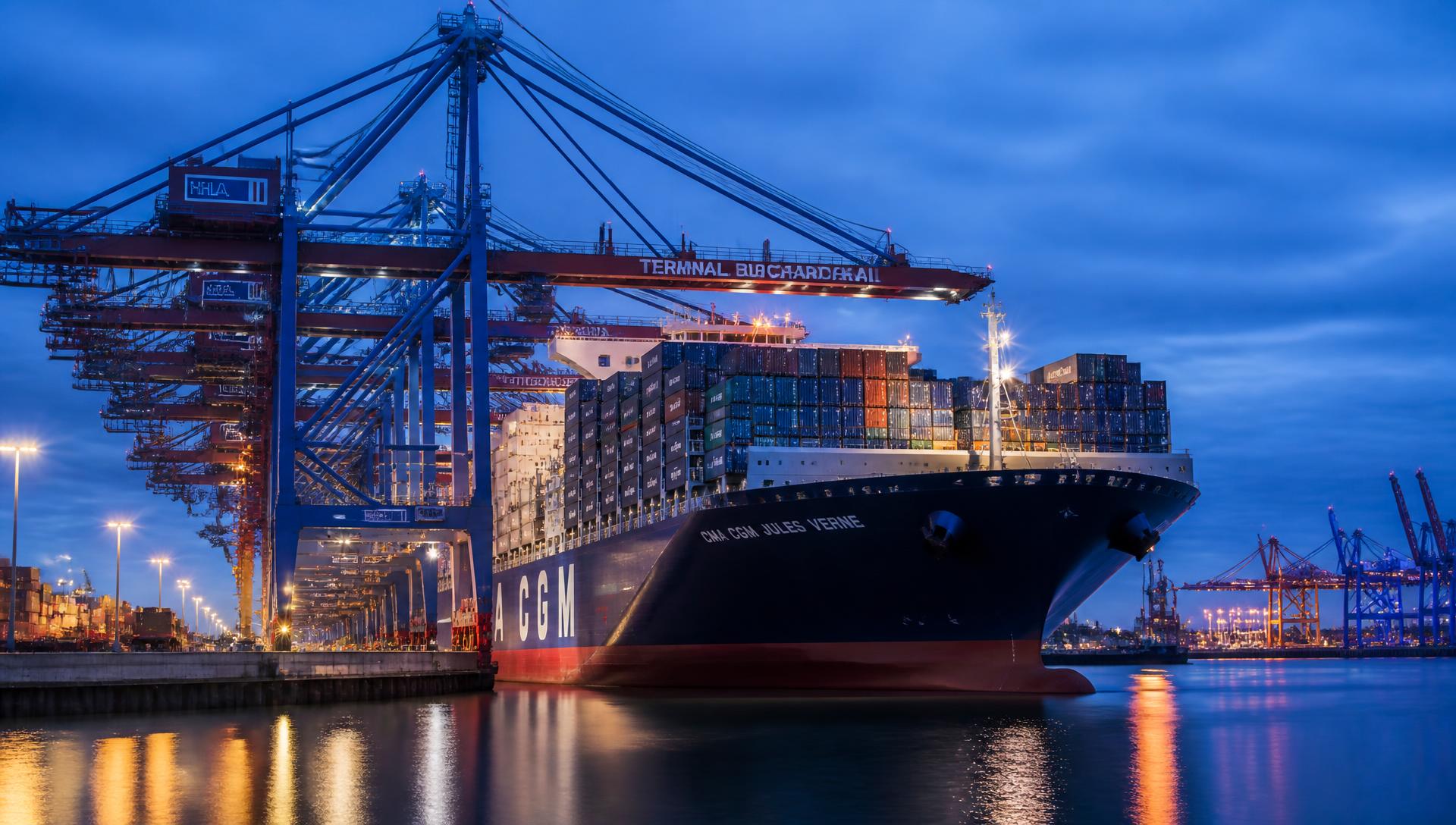
Once your car is securely inside a container, it begins the ocean leg of its journey. VELOX Logistics works with major international shipping lines that provide regular container services from Montreal to West Africa. As your freight forwarder, we handle the critical step of booking container space on a suitable vessel. The container is trucked to the Port of Montreal, where it is loaded onto a massive container ship. These ships navigate a network of global sea lanes, crossing the Atlantic Ocean. The voyage to Lagos may be direct or involve a stop at a major European or Mediterranean transshipment hub, where the container is transferred to another vessel for the final leg to Nigeria. Throughout this process, we monitor the container's progress and provide you with updates.
Container Shipping Options for Nigeria
VELOX Logistics specializes exclusively in container shipping, which offers superior security for your vehicle compared to other methods. You have two primary container options when you ship a car from Montreal to Nigeria:
1. Sole Use Container (FCL - Full Container Load): You can book a 20-foot or 40-foot container for your exclusive use. A 20ft container is perfect for one standard car or SUV. A 40ft container can typically accommodate two standard vehicles or one vehicle with a significant amount of household or commercial goods. This option offers the fastest transit time, as the container is sealed at our warehouse and only opened by customs or your agent in Nigeria.
2. Shared Container (LCL - Less than Container Load / Consolidation): Also known as groupage, this is a highly cost-effective method. You share the space inside a 40-foot container with other shippers' vehicles. Your car is loaded alongside one, two, or even three other cars heading to the same destination. This allows you to pay only for the space your vehicle occupies. VELOX is an expert in consolidation services, and our professional loading teams maximize space while ensuring every vehicle is secure. This is an excellent choice if you are flexible on your timeline and want to optimize costs.
How to Prepare Your Vehicle Before Loading
Proper preparation is essential for a smooth and safe shipping process. Before bringing your car to our Montreal facility or having us pick it up, please follow these steps:
- Clean the Vehicle: The car should be washed inside and out. This allows for an accurate inspection of the vehicle's condition upon receipt and is often a requirement for both export and import.
- Remove Personal Belongings: All personal items, non-factory electronics, and valuables must be removed from the car. Shipping lines have strict policies against shipping personal effects inside a vehicle. Items left inside can cause issues with customs in both Canada and Nigeria, leading to delays, fines, or seizure.
- Fuel Level: The fuel tank should be as close to empty as possible, ideally with less than 1/4 of a tank. This is a safety requirement for international shipping.
- Check for Leaks: Ensure the vehicle has no significant fluid leaks (oil, coolant, etc.).
- Battery: For added safety, the vehicle's battery is often disconnected by our loading team just before being secured in the container.
Documents Usually Required for Vehicle Export
To comply with Canadian export regulations and Nigerian import rules, a clear and complete set of documents is non-negotiable. You will typically need to provide:
- Proof of Ownership: The original vehicle title or registration (ownership document) for the province where the car is registered (e.g., Quebec SAAQ Registration Certificate, Ontario Vehicle Permit). This must be in the name of the person or company exporting the car.
- Bill of Sale: If you recently purchased the vehicle, a dated bill of sale is required to prove the transfer of ownership.
- Photo Identification: A clear copy of your valid government-issued photo ID, such as a driver's license or passport.
- Lien Release Letter: If the vehicle was ever financed, you must provide a letter from the financial institution confirming that the loan has been paid in full and the lien has been released. You cannot export a vehicle that has an active loan or lien against it.
Having these documents in order is the most critical step you, as the shipper, can take to prevent delays.
Canadian Export Formalities from Montreal
Before any goods, including vehicles, can be exported from Canada, they must be reported to the Canada Border Services Agency (CBSA). This is a mandatory legal requirement. As your freight forwarder, VELOX Logistics manages this process on your behalf. Using the ownership documents and information you provide, we submit an electronic export declaration to the CBSA. This declaration details the shipper, the consignee (receiver in Nigeria), the vehicle's description, and its value. This process ensures that Canadian authorities have a record of the vehicle leaving the country, which is crucial for legal and statistical purposes. Our team is experienced in these formalities, ensuring your shipment is compliant before it even reaches the port.
What Happens Before Loading: From Booking to Sealing
Once you decide to proceed, the pre-shipping phase kicks into high gear at our Montreal facility.
- Booking and Arrangements: You confirm your booking with us, choosing between a sole use or shared container. We then schedule your shipment. If you're in Quebec or Ontario, we can arrange for our trucking service to pick up your car and bring it to our warehouse in Saint-Léonard, Montreal.
- Vehicle Reception and Inspection: Upon arrival at our facility, your car is carefully inspected. We take detailed photos and fill out a vehicle condition report, noting any pre-existing scratches, dents, or damage. You receive a copy of this report for your records.
- Professional Loading: Our experienced team then takes over the critical task of loading the container. The vehicle is driven or pushed into the container and meticulously secured. We use a proven system of high-strength straps, wheel chocks, and wooden braces to prevent any movement during the ocean voyage. This is a skill that ensures your vehicle arrives in the same condition it left.
- Sealing the Container: Once loading is complete, the container doors are closed and a unique, high-security bolt seal is applied. The seal number is recorded on the bill of lading (the shipping contract), providing a chain of custody. The container will not be opened again until it reaches Nigeria for customs inspection.
The Voyage and Arrival at a Nigerian Port
Your container is now part of a global supply chain. It is transported to the Port of Montreal and lifted onto the designated vessel. The journey across the Atlantic to Lagos can vary, depending on the shipping line's schedule and route. Upon arrival in Nigeria, the ship will dock at one of Lagos's main container terminals.
- Apapa Port: The country's largest and most established port, handling a vast amount of container traffic.
- Tin Can Island Port: Located adjacent to Apapa, it was built to ease congestion and is another primary gateway for containerized cargo.
- Lekki Deep Sea Port: The newest and most modern port, located east of Lagos, designed to handle larger vessels and reduce the infamous congestion associated with the city's older ports.
Your clearing agent in Nigeria will advise on the best port of entry based on the shipping line used and current conditions on the ground.
Customs and Formalities at Destination
This is arguably the most complex part of the process and requires local expertise. Upon arrival, your container will be offloaded and moved to a bonded area to await clearance by the Nigeria Customs Service (NCS).
It is crucial to understand that the NCS operates under its own set of regulations. They will perform their own valuation of your vehicle to determine the applicable duties and taxes, which may not be based on your Canadian bill of sale. Furthermore, Nigeria has vehicle import policies, often related to the age of the car, which are subject to change. You must verify the current rules before purchasing and shipping a car.
We strongly recommend hiring a licensed clearing agent in Lagos before your car arrives. This agent will handle the complex paperwork, deal with the NCS and the port authority, and arrange for the final release of your vehicle. Navigating the access roads to and from Lagos ports can be extremely challenging due to severe congestion, so a good agent who can plan container retrieval is invaluable.
Container Shipping Options to Nigeria: A Comparison
Choosing the right container option is a key decision. Here is a table to help you compare.
| Feature | Sole Use Container (20ft or 40ft) | Shared Container (Consolidation/Groupage) |
|---|---|---|
| Cost Structure | Higher upfront cost (paying for the whole container). | Lower cost (pay only for the space your car uses). |
| Vehicle Security | Excellent. Your car is the only one in the container, sealed until arrival. | Excellent. Cars are professionally loaded and secured by our team. |
| Loading Schedule | Flexible. The container can be loaded and shipped as soon as your car arrives. | Fixed schedule. You must wait for the container to be filled with other cars. |
| Destination Speed | Generally faster. No need to wait for other cargo to be cleared. | Can be slightly slower as all cars in the container must be cleared by customs. |
| Ideal For | Shippers with 1-2 cars, those also shipping goods, or those on a tight schedule. | Shippers of a single car who are budget-conscious and have timeline flexibility. |
Factors That Influence the Price
We never provide flat rates because every shipment is unique. The final cost to ship a car from Montreal to Nigeria is influenced by several factors:
- Container Type: A shared container is more economical than booking a sole-use 20ft or 40ft container.
- Inland Trucking: The cost to transport your car from your location in Quebec or Ontario to our Montreal warehouse.
- Vehicle Size: Larger vehicles like pickup trucks or large SUVs may occupy more space and incur slightly higher costs.
- Ocean Freight Market: Rates charged by shipping lines fluctuate based on global demand, fuel costs, and port congestion.
- Terminal Handling Charges: Fees levied by the ports in both Montreal and Lagos.
- Destination Charges: These are the most variable costs, including Nigerian customs duties, port fees, and clearing agent fees. These are paid locally in Nigeria.
Factors That Influence the Timeline
Similar to cost, transit time is not a fixed number. Key factors affecting the duration include:
- Shipping Line Schedule: The frequency of sailings from Montreal to Nigeria and the specific route taken.
- Container Availability: Securing a container for loading can sometimes be delayed during peak seasons.
- Consolidation Wait Time: If using a shared container, the time it takes to gather enough vehicles to fill it.
- Port Congestion: Delays at the terminals in Montreal or, more significantly, in Lagos (Apapa, Tin Can) can impact the overall timeline.
- Customs Clearance in Nigeria: The speed at which your clearing agent can process the paperwork and get your vehicle released by the NCS.
Types of Vehicles That Can Be Shipped
We can ship a wide variety of vehicles to Nigeria in containers. This includes:
- Sedans, coupes, and hatchbacks
- SUVs and Crossovers of all sizes
- Pickup trucks
- Minivans and passenger vans
We can also handle the international transport of non-drivable or salvage vehicles, provided they can be safely rolled or moved by a forklift into the container. Please inform us of the vehicle's condition when requesting a quote.
Advice Before Buying a Car in Canada for Export to Nigeria
Before you even purchase a car in Canada with the intent to export, do your homework. This can save you thousands of dollars and immense frustration.
- VERIFY NIGERIAN IMPORT RULES FIRST: This is the most important piece of advice. Contact the Nigeria Customs Service or a reliable clearing agent in Lagos to confirm the current regulations regarding vehicle age. These rules can and do change, and shipping a non-compliant vehicle could result in it being seized or facing prohibitive penalties.
- Choose Wisely: Consider vehicles that are popular in Nigeria. Brands like Toyota and Honda are ubiquitous for a reason: parts are readily available, and mechanics are familiar with them.
- Get a Pre-Purchase Inspection: Have a trusted mechanic in Canada inspect any used car before you buy it. You don't want to pay to ship a car across the ocean only to discover it needs major, expensive repairs upon arrival.
Common Mistakes to Avoid
- Incomplete Ownership Documents: Not having the original title or a lien release is a complete showstopper. The car cannot be exported.
- Ignoring Vehicle Age Limits: Assuming the rules are the same as they were last year. Always verify current Nigerian import policy.
- Hiding Personal Items in the Car: This is prohibited and can lead to customs fines, seizure of the items, and major delays.
- Underestimating Destination Costs: The shipping cost from Montreal is only one part of the equation. Budget for customs duties, taxes, and clearing fees in Nigeria, which can be substantial.
- Trying to Clear Customs Alone: The Nigerian port and customs system is complex. Not hiring a professional clearing agent is a recipe for disaster.
Why Work with VELOX Logistics in Montreal
Choosing VELOX Logistics means partnering with a specialist in the Canada-to-West Africa shipping corridor. Our entire operation is streamlined for efficiency and security.
- Montreal-Based Experts: All shipments depart from Montreal. Our team is on the ground, managing your shipment directly from our Saint-Léonard facility.
- Container-Only Security: We focus exclusively on container shipping, the safest method for vehicle transport.
- Full-Service Logistics: We handle everything from pickup in Ontario and Quebec to professional container loading and Canadian export paperwork.
- Experience and Network: We have extensive experience on the Nigerian trade lane and can help you understand the process from start to finish.
How to Request a Quote
Ready to start the process to ship a car from Montreal to Nigeria? Getting a personalized quote is easy. Our team needs to know your vehicle's year, make, and model, as well as its location in Canada. We can then provide you with a detailed quote for the Canadian portion of the shipment.
Contact us today:
- WhatsApp / Phone: +1 514-718-0282
- Online Form: Visit our contact page to submit your request.
FAQ
Can I ship personal items inside the car I am exporting to Nigeria?
No, we strongly advise against it. Shipping lines prohibit it, and both Canadian and Nigerian customs can view it as an attempt to ship undeclared goods. This can lead to fines, delays, and the seizure of your items. It's best to ship your car completely empty.
What is the difference between Apapa and Tin Can Island ports?
Both are the primary container ports in Lagos. Apapa is the older, larger one, while Tin Can was developed to handle overflow. Both suffer from significant road congestion. The new Lekki Port offers a modern alternative. Your choice of port is often determined by the shipping line's service route.
Do I need to bring my car to Montreal myself?
No. VELOX Logistics offers a comprehensive trucking service. We can arrange for the pickup of your vehicle from your home or dealership anywhere in Quebec and Ontario and transport it safely to our Montreal loading facility.
How is my car secured inside the container?
The vehicle is secured using a professional lashing system. Heavy-duty straps are looped through the vehicle's suspension points or wheels and tightened to anchor points on the container floor. Wooden blocks (chocks) are nailed to the floor in front of and behind each tire to prevent any rolling.
Can I ship a car that I'm still paying for?
No. You must have clear title to the vehicle. If the car was financed, you must provide a lien release letter from the bank or financial institution proving the loan is fully paid off before the car can be legally exported from Canada.
Does VELOX handle customs clearance in Nigeria?
VELOX Logistics handles the export formalities in Canada. For the import clearance in Nigeria, you will need to hire a licensed local clearing agent. This is standard practice, as they have the on-the-ground expertise to deal with the Nigeria Customs Service and port authorities.
What is vehicle consolidation or groupage?
Consolidation, or groupage, is the process of combining several vehicles from different shippers into a single 40-foot container. This allows each shipper to share the cost of the container, making it a very economical option for shipping a single car.
Why can't you give me the final price for customs duty in Nigeria?
The final duties and taxes are assessed by the Nigeria Customs Service (NCS) upon the vehicle's arrival and inspection in Nigeria. They use their own valuation methods, which are not public and can change. No freight forwarder in Canada can guarantee the final destination charges.
Are there specific vehicle years that are prohibited from being imported into Nigeria?
Yes, Nigeria has a vehicle import policy that often restricts the importation of cars over a certain age. This age limit is subject to change by the government. It is the shipper's absolute responsibility to verify the current rules before buying or shipping a vehicle.
Your Trusted Partner for Shipping to Nigeria
Exporting a car from Montreal to Lagos, Nigeria, is a significant logistical move, but it doesn't have to be a stressful one. By understanding the process, preparing your vehicle and documents correctly, and working with an experienced freight forwarder like VELOX Logistics, you can ensure your vehicle arrives safely. Our team in Montreal is ready to manage the crucial first leg of its journey.
Contact us today for a personalized quote and expert advice on how to ship a car from Montreal to Nigeria. Call or WhatsApp us at +1 514-718-0282 or fill out our online quote request form.