
Exporting a Car from Canada to Africa
Canada is a very attractive source market for used vehicles: a well-maintained fleet, documented service history, and an abundant supply of newer vehicles. Every year, thousands of cars, pickups and SUVs leave Montreal for West and Central Africa. Here's how an export actually unfolds, from choosing the vehicle to final delivery.
Step 1 — Buying the right vehicle
Before even discussing transport, the choice of vehicle determines the success of the whole operation.
Check the title. A vehicle must be free of any lien (no active financing). A vehicle still under financing cannot legally be exported.
Watch out for accident history. A "rebuilt" or "salvage" title reduces resale value and can create import problems in certain countries.
Think about the destination market. Engine type available locally, accessible spare parts, fuel tolerance, ground clearance: a vehicle that's perfect in Quebec isn't necessarily suited elsewhere.
Check the maximum import age. Several African countries limit the age of imported vehicles. This must be verified before purchase, not after shipping.
Step 2 — Choosing the shipping method
Container
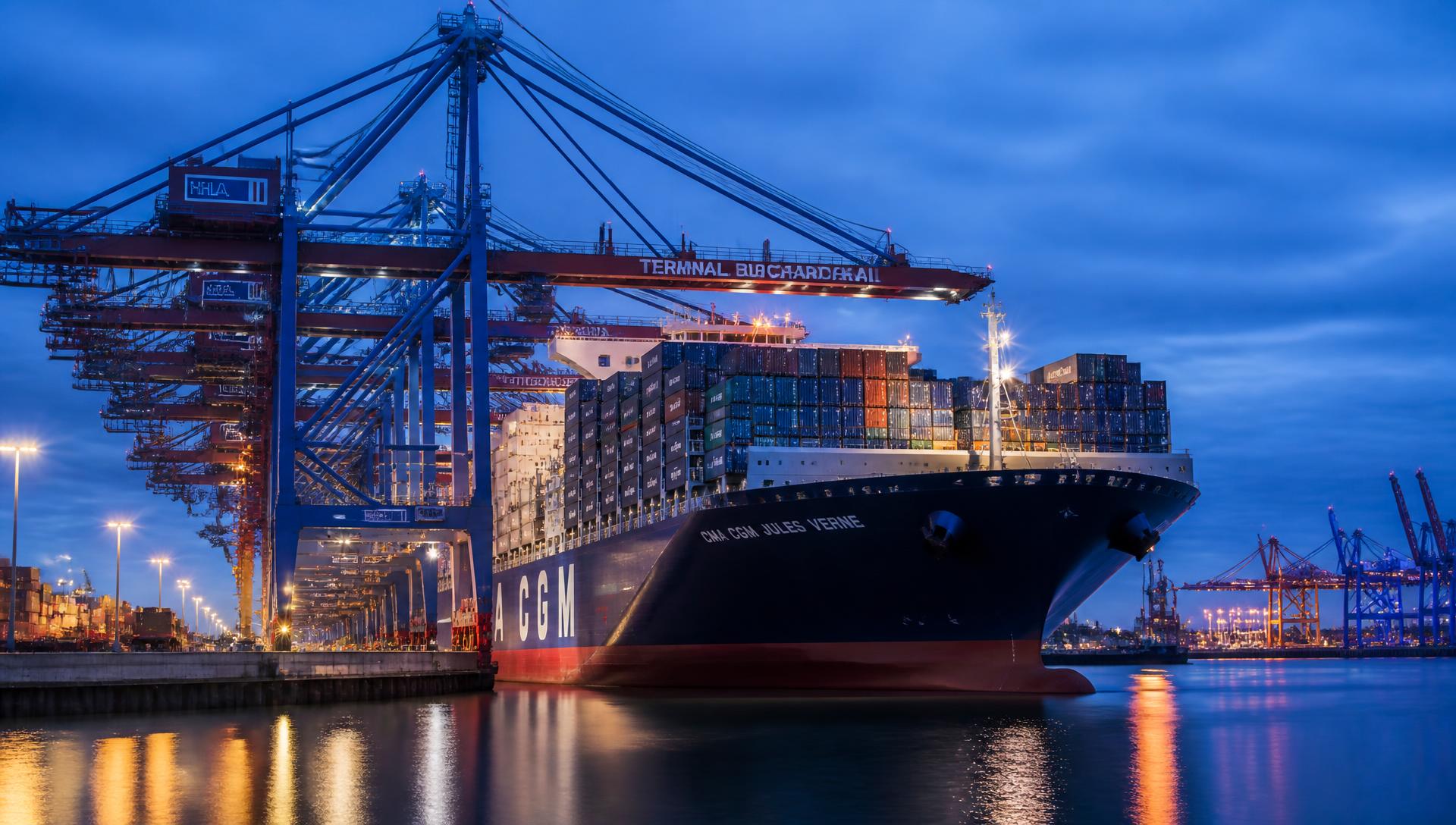
The vehicle is loaded into a 20- or 40-foot container, secured with straps and wheel chocks. This is the most protective method: the vehicle avoids weather exposure and multiple handling stages, and the container stays sealed.
Advantages:
- maximum protection of the bodywork;
- ability to load cargo around the vehicle (within allowed limits);
- lower risk of parts theft.
A 20-foot container generally fits one sedan or compact SUV. A 40-foot container can hold two vehicles, sometimes three depending on size and securing technique.
Step 3 — Preparing the documents
This is where most files get stuck. Gather:
- The original title (registration certificate), in the name of the seller or exporter.
- The bill of sale with date, price, full contact details of buyer and seller, and vehicle identification number (VIN).
- A valid ID for the exporter.
- The Canadian export declaration, when required.
- The bill of lading, showing the VIN, make, model and year.
- The destination country's import documents, prepared by a local customs broker.
The VIN is the thread running through the entire file. It must match, character for character, on the title, the invoice, the bill of lading and the declaration. A single-character mismatch can hold up the vehicle at the port.
Step 4 — Physically preparing the vehicle
- Empty the vehicle completely. No personal items are allowed, except with explicit declaration and prior approval. An undeclared item can lead to seizure.
- Reduce the fuel level to a minimum, generally a quarter tank at most.
- Disconnect or secure the battery as required by the carrier.
- Check for leaks: a leaking vehicle can be refused at loading.
- Photograph the vehicle from every angle before stuffing. This is your proof of condition in case of a dispute.
- Keep a spare key and hand the requested set to the forwarder.
[[CTA]]
Step 5 — Understanding the costs
The total cost of a vehicle export includes:
In Canada: transport of the vehicle to the warehouse, inspection, securing and stuffing, documentation fees, terminal fees in Montreal.
On arrival: terminal and handling fees, storage if clearance is delayed, broker fees.
Duties and taxes: this is very often the largest cost item. Most African countries calculate duties based on a reference value that accounts for make, model, year and engine displacement — not just the purchase price. Some also apply a tax linked to the vehicle's age.
A rule of thumb: budget for import duties before buying the vehicle. A cheap vehicle with high duties can sometimes cost more overall than a newer, better-classified one, so always run the full landed-cost math before committing to a purchase.
Step 6 — Arrival and customs clearance
On arrival, the consignee — or their broker — presents the original bill of lading, the title, the invoice and their ID. Customs inspects the vehicle, confirms the VIN, establishes the customs value and calculates duties. After payment, the vehicle is released and then registered locally.
The two leading causes of delay are, in order: a missing or inconsistent document, and a broker appointed too late — both of which are entirely avoidable with early planning.
Common mistakes
- Buying without checking the destination country's import rules (age, standards, restrictions).
- Leaving personal items in the vehicle without declaring them.
- Undervaluing the invoice to reduce duties — which triggers reassessment, penalties and days of delay.
- Not insuring the vehicle during transport.
- Forgetting destination fees in the profitability calculation.
FAQ — Vehicle Export from Canada
How many vehicles fit in a container? Generally one vehicle in a 20-foot, two in a 40-foot, sometimes three with proper securing techniques and compatible sizes.
A container offers better protection and lets you combine cargo with the vehicle.
Can I put cargo inside the car? No, unless explicitly declared and approved in advance. Undeclared items risk seizure.
Which documents are essential? Original title, bill of sale, exporter's ID, bill of lading with the VIN, and the local import documents.
How long does shipping take? Depending on the destination, expect generally 30 to 50 days at sea, and 45 to 80 days door-to-door with preparation and customs clearance.
Export Your Vehicle with VELOX Logistics
From Montreal, VELOX Logistics organizes vehicle exports to Africa: inspection, professional securing, stuffing, complete documentation and follow-up through customs clearance.
See also: Vehicles, Our services, Request a quote.
[[CTA]]
Further resources
These VELOX guides complement this topic: