🚗 Vehicle Export
Container or RoRo for Exporting a Vehicle: Which Should You Choose?
A detailed comparison between container shipping and RoRo for exporting a vehicle from Canada: security, cost, timelines, combined cargo and use cases.

We export vehicles in containers only. This guide compares both methods so you can understand the difference.
This is the first question anyone exporting a vehicle from Canada has to answer. Both methods work, but they serve different needs. This comparison helps you decide with full knowledge of the trade-offs.
How each method works
Container shipping
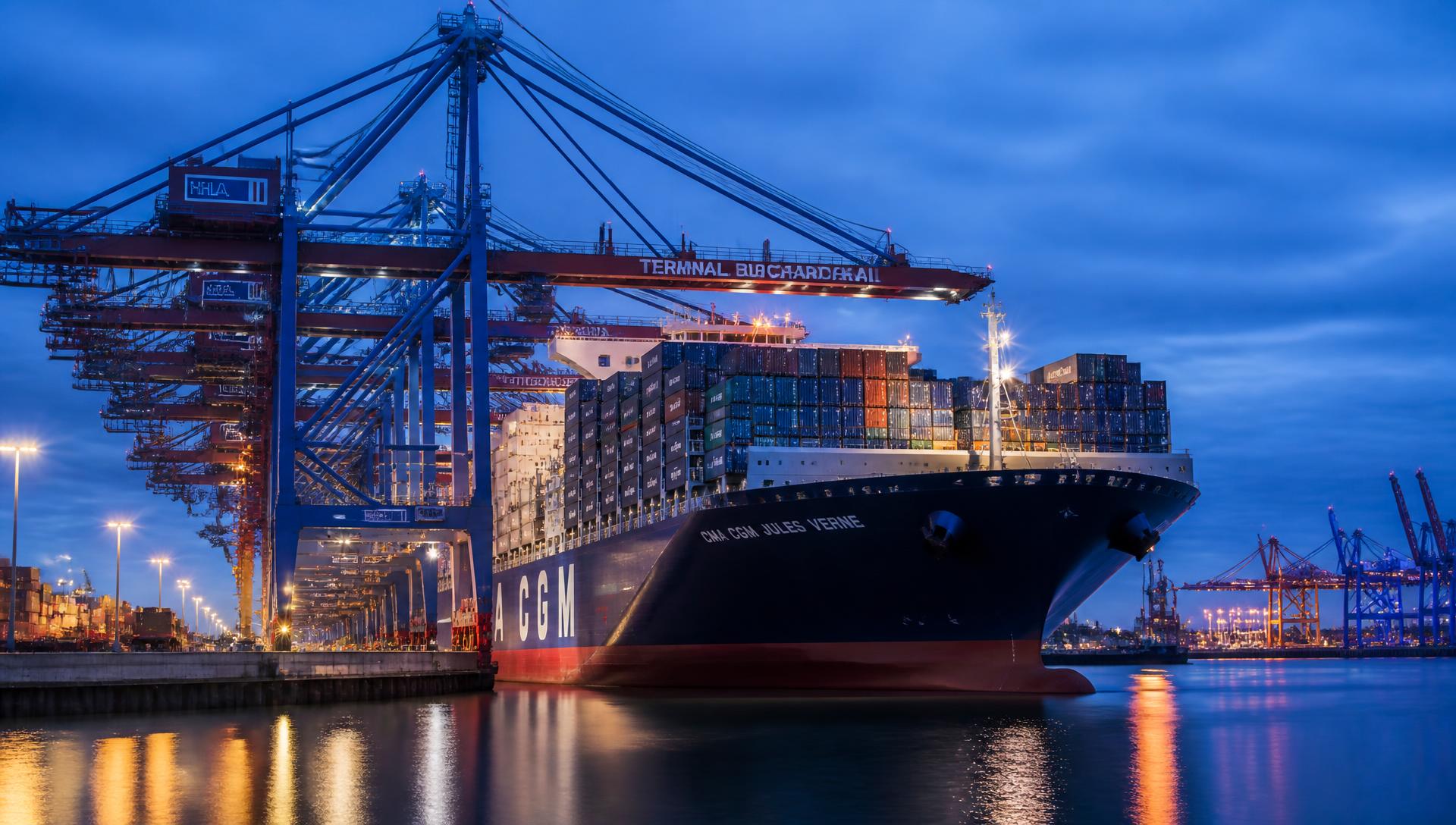
The vehicle is driven into a warehouse, inspected, then loaded into a 20- or 40-foot container. It's secured with ratchet straps, wheel chocks and sometimes a bracing frame. The container is then sealed and normally won't be opened until customs clearance at destination.
Point-by-point comparison
Security and protection
Container: clear advantage. The vehicle is isolated, protected from sea air, handling impacts and prying eyes. The sealed container greatly reduces the risk of parts theft (mirrors, rims, catalytic converters, batteries).
Reputable carriers supervise these operations closely, but the level of protection remains lower than a sealed container.
For a valuable, newer, collector or freshly painted vehicle, a container is the logical choice.
Cost
The equation flips once:
- you want to ship cargo at the same time;
Combined cargo
Container: possible. Subject to declaration and prior approval, you can load cargo around the vehicle: spare parts, furniture, boxes. This is a major advantage for merchants, who can maximize the value of the same container.
No items are allowed inside.
Timelines
A container adds a few days of preparation at departure and unpacking on arrival, but often benefits from a wider choice of sailings, which offsets the difference.
Vehicle types
- Sedans, SUVs, standard pickups: both methods work.
- High-end or collector vehicles: container, without hesitation.
Summary table
| Criterion | Container | — |
|---|---|---|
| Protection | Excellent | Moderate |
| Cost for 1 vehicle | Higher | Often lower |
| Cost for 2+ vehicles | Advantageous | Linear |
| Cargo included | Yes (declared) | No |
| Non-running vehicle | Yes | No |
| Parts theft risk | Low | Higher |
| Route availability | Wide | Depends on destination |
Deciding with three questions
1. How many vehicles are you shipping? Two or more → a container is generally more advantageous.
2. Do you want to ship cargo at the same time? Yes → container is required.
3. What's the vehicle's value and your risk tolerance? Valuable vehicle, fresh paint job, costly options → container.
What stays the same regardless of method
In both cases, you must provide:
- the original title, free of any lien;
- the bill of sale with the VIN;
- an ID for the exporter;
- the bill of lading with the exact name of the consignee;
- the destination country's import documents.
Also true in both cases: the vehicle must be emptied of any undeclared personal items, fuel reduced to a minimum, photos taken before loading, and insurance based on actual value. Carrier liability is capped and does not cover a vehicle's market value.
VELOX Logistics Can Advise You
We assess your situation — number of vehicles, value, destination, combined cargo — and recommend the most suitable method, then organize everything from Montreal.
See also: Vehicles, Our services, Request a quote.
[[CTA]]
Related reading
These VELOX guides complement this topic: