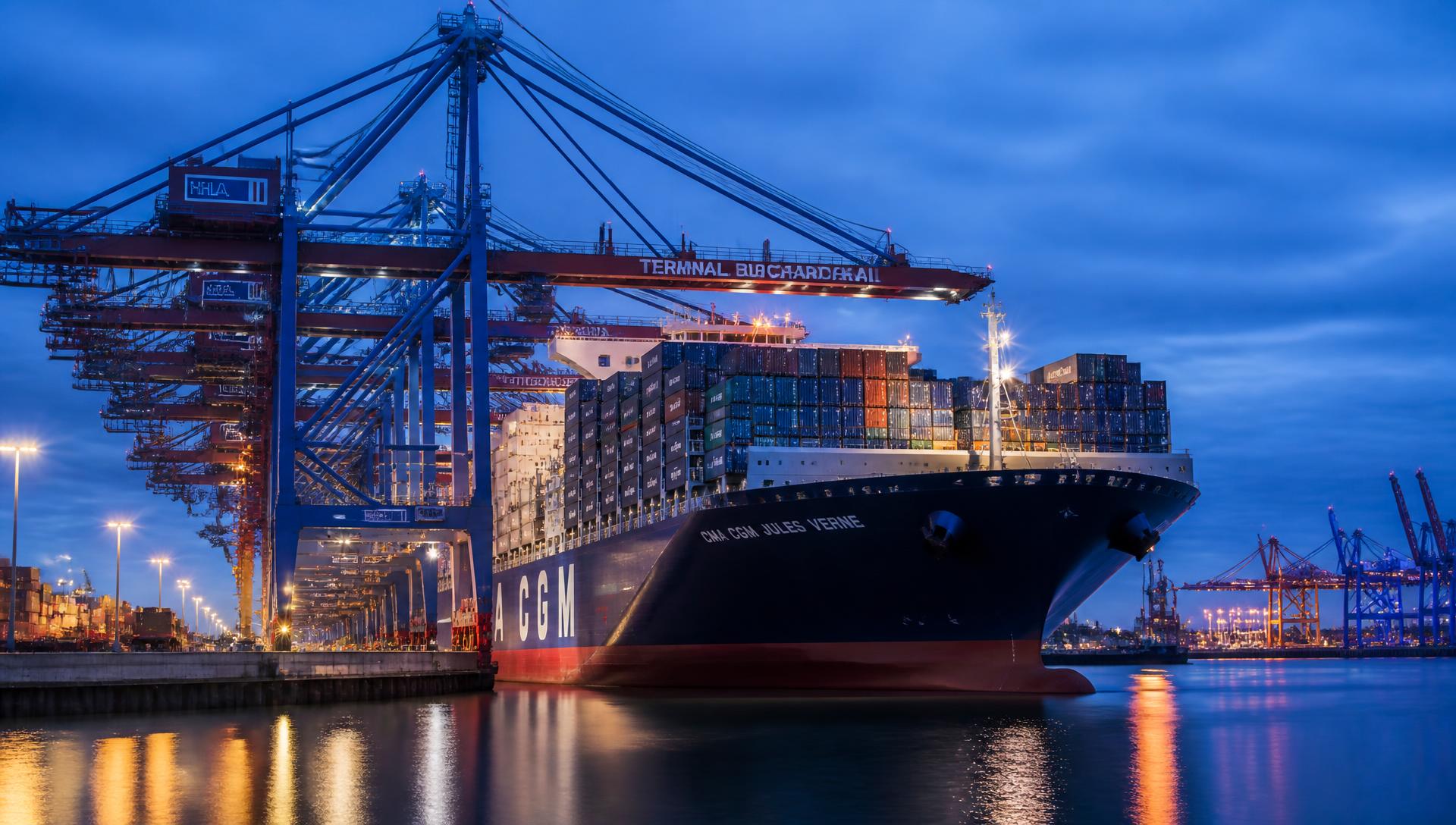

Do you live in Montreal, Laval, Quebec City, Ottawa, or Gatineau and need to send parcels, barrels, a vehicle, or goods to Cotonou, Benin? Cargo consolidation is often the most practical solution when your shipment doesn't fill an entire container on its own. VELOX Logistics, a freight forwarder based in Saint-Léonard (Montreal), organizes consolidated container shipments to Benin, arriving by ocean freight at the port of Cotonou.
Consolidation lets several shippers split the cost of a single container, which makes ocean shipping affordable even for smaller volumes: a few boxes, one or two barrels, personal effects, or a small batch of goods. Many Montreal families with ties to Benin and West Africa rely on this service to support relatives back home, without waiting to accumulate enough cargo to fill a full container.
In this guide, we explain how Montreal-to-Cotonou consolidation works, what you can ship, the documents typically required, how shipping costs are structured, and the most common mistakes to avoid.
What Is Ocean Consolidation to Cotonou, Benin?
Consolidation, also called groupage, means combining cargo from several clients into a single ocean container instead of booking a full container (FCL) for one shipment alone. Each client pays based on the volume or weight of their cargo, not for the entire container space.
For Benin, the consolidated container travels by sea to the port of Cotonou, the country's main maritime gateway and an important regional hub for West Africa, before goods are forwarded to their final recipients. VELOX Logistics organizes consolidated shipments to several destinations across West and Central Africa, including Cotonou, Lomé, Douala, Burkina Faso, and Matadi (DRC).
Consolidation or Full Container: Which Should You Choose for Cotonou?
The choice between consolidation and a full container (FCL) mainly depends on your shipment volume and how much scheduling flexibility you need.
| Factor | Consolidation | Full Container (FCL) |
|---|---|---|
| Ideal volume | Small to medium (parcels, barrels, a few furniture pieces) | Large volume or regular commercial shipments |
| Shared space | Yes, with other shippers | No, space fully reserved |
| Departure flexibility | Based on the consolidation schedule | Can be planned more independently |
| Best for | Individuals, small businesses, diaspora shippers | Businesses, bulk volumes, wholesale goods |
If you're unsure which option fits your needs, our comparison guide on FCL vs consolidation shipping to Africa breaks down the advantages of each. For a broader overview of the Montreal-Cotonou corridor, see our article on shipping from Montreal to Cotonou, Benin.
What You Can Ship by Consolidation to Cotonou
Consolidation shipping to Benin is well suited to the following types of cargo:
- Personal parcels and boxes (clothing, household items, family gifts)
- Barrels filled with assorted items, commonly used by the West African diaspora
- Personal effects for a relocation or move back home (see our guide on shipping personal effects to Africa)
- Used vehicles, when container space allows
- Furniture and appliances (see our guide on shipping appliances to Africa for packing best practices)
- Small-quantity goods: professional equipment, tools, and surplus items
Each type of cargo has its own packing and documentation requirements. A barrel, for instance, must be securely sealed and labeled; check our article on how to ship a barrel from Montreal to Africa for best practices. A vehicle requires specific paperwork and precise space planning inside the container; our vehicles page covers this service in more detail.
Preparing Your Goods Before Shipping
Proper preparation reduces the risk of damage and helps customs clearance move smoothly, both in Canada and on arrival in Cotonou. For parcels and boxes, use sturdy boxes, avoid overloading a single box, and clearly label each package with the recipient's name. For barrels, make sure the lid is tightly sealed and the contents don't include prohibited liquids.
For vehicles, a prior cleaning and the removal of undeclared personal items make inspection easier. For furniture and appliances, protective packaging (covers, cardboard corners, stretch wrap) reduces the risk of damage during handling. Our team in Saint-Léonard can advise you on the best way to pack each type of item before the consolidated container is loaded.
How the Consolidation Process Works
- Initial contact: you reach out to VELOX Logistics to describe what you want to ship, the approximate volume, and the destination (Cotonou, Benin).
- Receiving your goods: you drop off your parcels, barrels, or vehicle at our Saint-Léonard facility in Montreal, or we discuss commercial pickup options depending on the type of shipment.
- Inspection and packing: we check the condition of your goods and make sure they're properly packed and labeled before loading.
- Loading the consolidated container: your cargo is loaded alongside other clients' shipments heading to the same destination, optimizing the available container space.
- Documentation and shipping: transport documents are prepared, and the container is shipped by ocean freight to Cotonou.
- Delivery at destination: on arrival, your goods clear customs and are released to the recipient or their representative in Cotonou.
Clients from Laval, Quebec City, Ottawa, or Gatineau can absolutely use this service: goods simply need to reach our Saint-Léonard facility in Montreal, from where every consolidated container departs. VELOX Logistics does not operate an office outside Montreal, but welcomes clients from across the wider region who arrange their own transport to our facility.
Documents You'll Generally Need
Depending on the nature of your shipment, you should generally prepare:
- A valid piece of identification for the shipper
- A detailed packing list for parcels and goods
- Vehicle ownership documents, if applicable (see our guide on required documents for exporting a vehicle from Canada)
- The recipient's complete contact information in Cotonou
- An export declaration, when required (see our guide on the CERS export declaration)
VELOX Logistics helps you prepare these documents to avoid unnecessary delays during customs clearance, both when leaving Montreal and on arrival in Cotonou. Our guide on essential documents for an ocean shipment offers a broader overview of the paperwork typically required.
How Consolidation Shipping Costs Are Structured
The cost of a consolidated shipment is never a fixed number posted on a website: it depends on several components that vary with the volume, weight, and nature of the cargo. Factors that go into the calculation include:
| Component | Description |
|---|---|
| Base freight | Cost based on volume (cubic feet or CBM) or weight of your cargo |
| Ocean surcharges | Fees applied by carriers based on market conditions |
| Local ground transport | Moving your goods to our facility, or arranging pickup |
| Destination local fees | Handling, customs clearance, and port fees in Cotonou |
| Specific packaging | Crating, palletizing, or extra protection if needed |
To estimate your shipment volume before contacting us, see our guide on how to calculate shipment volume (CBM). Message VELOX Logistics on WhatsApp to get the current rate and find out about the next available consolidation to Cotonou.
Common Mistakes to Avoid
- Poorly sealed barrels: a barrel that isn't tightly closed or labeled may be refused or damaged in transit.
- Skipping the packing list: without a clear description of the contents, customs clearance in Cotonou can be delayed.
- Waiting until the last minute: consolidation follows a loading schedule; it's best to contact VELOX Logistics as early as possible to reserve your space.
- Not confirming the recipient's details: an accurate name, phone number, and address in Cotonou make delivery much smoother.
- Shipping undeclared or prohibited items: always check with our team about what can be included in your shipment.
- Underestimating declared value: a realistic declaration makes customs processing and documentation easier.
- Underestimating vehicle or furniture weight: this can affect space allocation in the consolidated container and lead to last-minute adjustments.
- Confusing consolidation with courier or express service: consolidation follows an ocean freight loading schedule, quite different from an individual postal shipment.
How VELOX Supports You
VELOX Logistics supports individuals and businesses across the Montreal region, as well as Laval, Quebec City, Ottawa, and Gatineau, with consolidated shipments to Cotonou and across Benin. Our team handles receiving goods at our Saint-Léonard facility, preparing documents, loading the consolidated container, and tracking the shipment through to delivery.
Whether you're an individual sending a few parcels to family or a business shipping goods in smaller quantities, our ocean consolidation service is designed to make shipping to Africa accessible without requiring a full container. For larger volumes, check our services page or our guide on FCL vs consolidation to determine the best fit. You can also read our dedicated article on shipping from Montreal to Cotonou, Benin for a full overview of the corridor, or our guide on ocean consolidation from Montreal: how it works.
Our team handles this stage directly: see consolidation Montreal to Cotonou for how the service works from Montreal.
FAQ
What's the difference between consolidation and a full container (FCL)?
Consolidation means sharing a container with other shippers based on the space each one uses, while a full container (FCL) is reserved entirely for a single client. Consolidation is generally better suited to smaller volumes.
Can I ship a vehicle by consolidation to Cotonou?
Yes, a vehicle can be included in a consolidated container when space allows.
How long does transit to Cotonou take?
Transit time varies depending on ocean carrier availability and routing. Contact VELOX Logistics on WhatsApp for current availability.
Do I need to bring my parcels to Saint-Léonard myself?
You can drop off your goods directly at our Saint-Léonard facility in Montreal. For certain commercial shipments, pickup can be arranged; contact us to discuss the details.
I'm based in Ottawa or Gatineau, can I use this service?
Yes. Clients from Laval, Quebec City, Ottawa, and Gatineau regularly ship through our Montreal facility, which remains our only physical service location.
What documents do I need for a shipment to Benin?
Generally, a piece of identification, a detailed packing list, and the recipient's complete contact information in Cotonou. For a vehicle, additional documents are required.
How do I find out how much my shipment will cost?
Cost depends on volume, weight, and type of cargo. Contact VELOX Logistics on WhatsApp to get the current rate and available options.
What happens once the container arrives in Cotonou?
The container is unloaded, goods go through customs clearance, and are then released to the recipient or their representative on site.
Conclusion
Ocean consolidation to Cotonou is a flexible way to ship parcels, barrels, vehicles, and goods without booking a full container. VELOX Logistics, operating from its Saint-Léonard facility in Montreal, supports shippers across the wider region, from Laval to Ottawa, Quebec City, and Gatineau. To start your shipment or request a quote, visit our contact page or submit a booking request today.