
If you have bought, or are about to buy, a vehicle in Canada for a relative or a business in Africa, sooner or later you will run into the same question: how does the car actually get from a driveway in Quebec or Ontario to a port thousands of kilometres away? Car shipping by container from Montreal to Africa is the method VELOX Logistics uses for exactly this purpose, and understanding the mechanics behind it makes the whole process far less intimidating.
Unlike open transport where a vehicle sits exposed on a deck, a sea container is a fully enclosed steel box. The car goes in, gets secured, the doors close, and it stays that way until the box is opened again at the destination port. For buyers who are not physically present to watch over their purchase, that enclosed environment is one of the main reasons this shipping method is chosen for the Montreal–Africa corridor.
This article walks through the journey step by step: booking, loading in Saint-Léonard, the ocean crossing, arrival procedures, and the paperwork that ties it all together, so you know what to expect before your vehicle ever leaves Canadian soil.
How container shipping fits into the bigger picture
Before a vehicle can be shipped, it first has to be located, purchased and brought to a collection point. VELOX can guide buyers through sourcing a vehicle in Canada, but the container shipping stage only begins once that vehicle is ready to travel. Buyers researching car shipping container Montreal Africa options are often mid-purchase, trying to figure out how the logistics side will unfold once the car is theirs.
Full container versus shared space
Not every shipment needs a container of its own. A buyer moving a single sedan or SUV might prefer consolidation, where the container is shared among several shippers heading to similar destinations. Someone shipping two or three vehicles at once, or planning to add personal belongings, might book a full container instead. Both options exist within the same shipping process; the choice depends on volume, timeline and budget rather than one being inherently better.
Booking the container from Montreal
Everything starts with a booking. Through container booking in Montreal, VELOX confirms a sailing slot and a loading window that the vehicle needs to reach in time. This step should happen as early as possible, ideally as soon as the purchase is confirmed, because the vehicle's arrival at the warehouse has to line up with the container's closing date. Booking late can mean waiting for the next available sailing.
Why timing matters more than people expect
A vehicle bought in one province and delivered to Saint-Léonard can take several days depending on distance and carrier availability. If that transport is arranged after the container booking is already set, the two schedules can clash. Coordinating both early, ideally at the same time, keeps the shipment on track.
Loading the vehicle in Saint-Léonard
Once the car reaches VELOX's facility in Saint-Léonard, Montreal, it goes through container loading in Montreal. This is where the vehicle is driven or winched into position inside the container and secured with straps designed to keep it from shifting during the ocean crossing. Loose items inside the cabin are checked, tire pressure is verified, and the container doors are closed and sealed only once everything is properly positioned.
What "secured" actually means
Securing a vehicle is not just about the wheels. The team also checks that nothing loose inside the car can move during transit, that mirrors and antennas won't catch on the container walls, and that the seal applied at closing matches the number recorded on the shipping documents, since that seal is what gets checked again at destination.
The ocean crossing
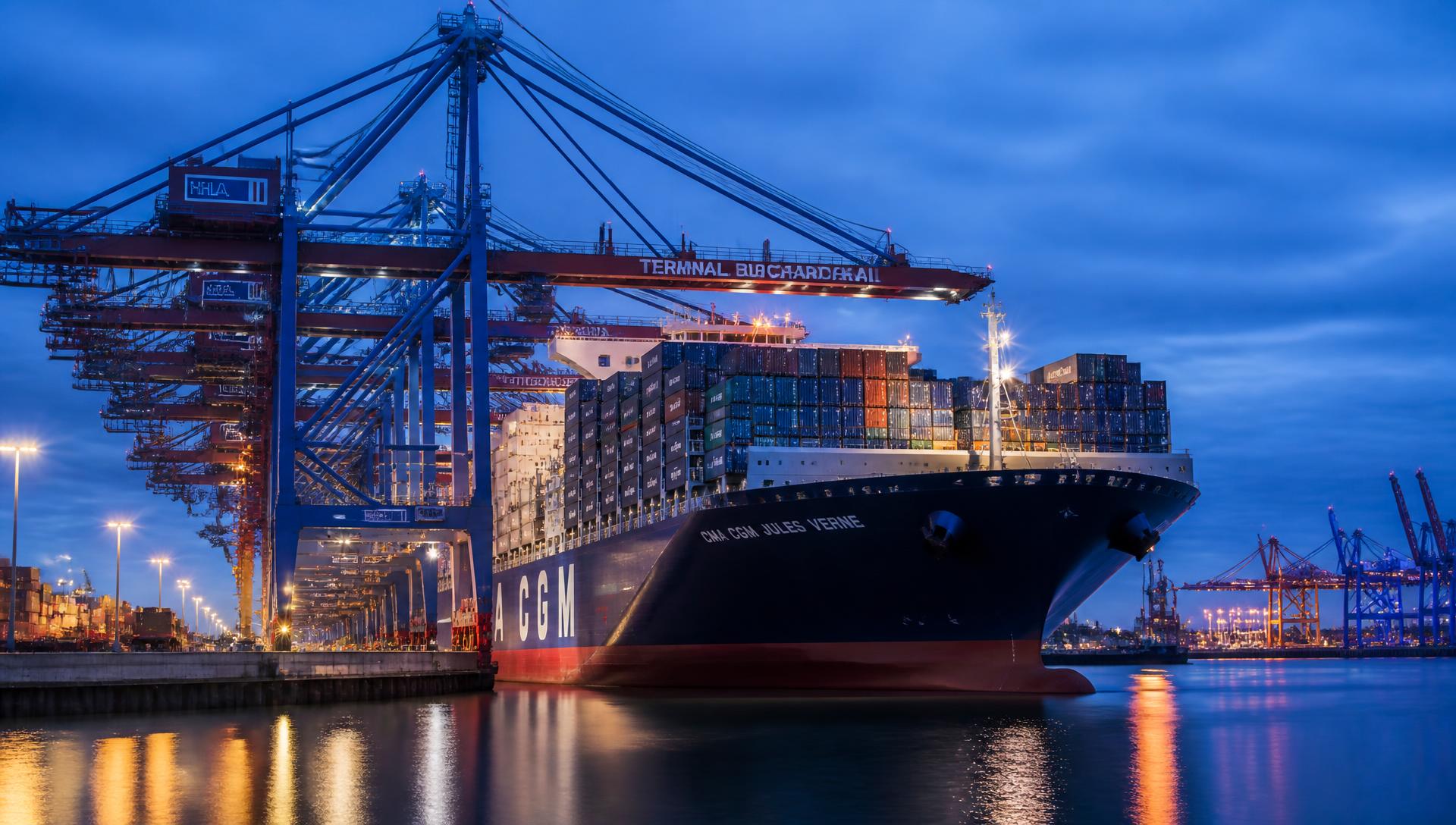
After loading, the container moves to the port terminal in Montreal and is placed aboard a vessel for the crossing to Africa. The route may include intermediate stops depending on the shipping line used for that particular sailing. No article can responsibly promise a fixed transit time, since schedules shift by season, carrier and destination; the realistic approach is to ask VELOX for a current estimate at the time of booking rather than relying on a number found online.
Staying informed while the container is at sea
While the vehicle is en route, a good logistics partner keeps the client updated on the milestones that matter: confirmation that the container was loaded aboard the vessel, and later, notice of the expected arrival at the destination port. This is particularly useful for clients following the shipment from abroad who cannot simply drive to the port to check.
Arrival at the African port
Car shipping container Montreal Africa routes typically end at ports such as Abidjan, Dakar, Douala, Cotonou, Lomé or Pointe-Noire, depending on the destination. Once the vessel docks, the container still has to clear local customs before the vehicle can be released from the terminal. This part of the process is handled by the authorities of the destination country, often with a local customs broker, and falls outside what VELOX manages directly.
What to confirm before the car even leaves Canada
Import rules for vehicles, including age restrictions and applicable duties, differ from one country to another and can change without much notice. Anyone planning a shipment to Ivory Coast, Senegal, Cameroon, Benin or DR Congo should verify current requirements with the customs authority of that country before finalizing the vehicle purchase, not after the container has already sailed.
Full container or shared space: a side-by-side look
| Factor | Full container | Consolidation |
|---|---|---|
| Number of vehicles | One or more, dedicated space | Shared with other shippers |
| Departure flexibility | Depends on the client's own schedule | Depends on when the shared container fills up |
| Best suited for | Buyers with several vehicles or extra cargo | A single vehicle or personal effects |
| Coordination required | Directly with VELOX | Directly with VELOX |
Documents to gather before loading day
Before the container doors close, several documents need to be in order: proof of ownership of the vehicle, export paperwork, and identification for the person shipping the car. These requirements can be adjusted over time, so it makes more sense to confirm the current list with VELOX ahead of the loading date than to rely on a generic checklist found elsewhere.
Getting the vehicle ready before it reaches the warehouse
A clean vehicle, free of loose items and in reasonable mechanical condition, makes the loading team's job considerably easier once it arrives in Saint-Léonard. It also helps to remove or clearly document any removable valuables before the vehicle leaves for the collection point, which avoids confusion during the pre-loading inspection. These small preparation steps tend to prevent last-minute questions and delays.
Communication between the buyer and VELOX
Since many buyers are managing this process from Africa rather than standing on-site in Montreal, clear communication from the start matters. Sharing available dates, required documents and pickup details early lets VELOX plan the loading schedule properly, instead of scrambling to adjust once the vehicle is already on its way to the warehouse.
A note on container capacity
Standard containers used for this kind of shipment generally provide enough room for a typical passenger vehicle, sometimes with extra space for personal belongings depending on what has been arranged with VELOX. Deciding between a full container and a shared consolidation slot should be based on the number of vehicles, the available budget and the desired shipping timeline, rather than left to chance once the car has already been purchased. Some clients choose to group the purchase of several vehicles meant for different family members into a single container, which can simplify overall coordination, provided the purchase and pickup dates are carefully aligned from the outset. Either way, it is worth confirming every detail directly with VELOX rather than assuming a previous shipment sets the standard, since availability and loading conditions change from one sailing to the next. That extra bit of caution avoids misunderstandings, especially for buyers based far from the loading point who depend entirely on updates from the logistics team to know where their vehicle stands.
Useful resources
- Book a container
- Consolidation service
- Container loading in Montreal
- How Car Shipping From Canada to Africa Works
- Documents Needed to Export a Car From Canada
FAQ
What makes container shipping different from other methods?
A container fully encloses the vehicle for the entire trip, which shields it from weather and outside handling during the ocean crossing between Montreal and Africa. This is different from methods where the vehicle remains exposed.
How many vehicles can go into one container?
That depends on the size of the vehicles and the container type being used. VELOX evaluates this on a case-by-case basis once the specific vehicles are known.
Can I pack personal items alongside the vehicle?
In many cases yes, depending on available space and applicable rules. It's best to confirm this directly with VELOX before the loading date rather than assume it's automatically included.
Does consolidation delay the shipment?
A shared container ships once it reaches capacity, which can affect the departure date compared with booking a full container. VELOX can give a general sense of timing at the time of booking.
What happens if my vehicle arrives late in Saint-Léonard?
A late arrival can jeopardize the planned closing date for that container. Coordinating the inland transport with VELOX well in advance helps avoid missing the booked sailing.
Does VELOX handle customs clearance on arrival in Africa?
No. VELOX coordinates transport up to the destination port, but customs clearance at arrival is handled by the authorities and local agents in the destination country.
Do I need to be present for the loading in Montreal?
No, VELOX manages the loading process at the Saint-Léonard facility. Buyers typically coordinate remotely and receive updates as the vehicle moves through each stage.
Talk to our team
Whether you're shipping one vehicle or several, our team can walk you through every step of car shipping by container from Montreal to Africa. Contact us or message us on WhatsApp at +1 514-718-0282 to discuss your project.
Cette page existe aussi en français : version française.