
Buying Canadian cars from Africa has become a practical option for families and small business owners who want a reliable, well-documented vehicle at a cost that often stays competitive even after transport is factored in. Canada's used-car market is large and diverse, and vehicles are frequently sold with detailed maintenance records that are harder to find in other markets.
This guide walks through the full process, from finding the right vehicle in Canada to receiving it at a port in Africa, without needing to travel to Canada in person. It covers research, verification, inland transport, container shipping from Montreal, and what to expect once the container reaches its destination. VELOX Logistics, a freight forwarder based in Saint-Léonard, Quebec, handles the coordination and shipping portion of this journey.
Whether you are buying one vehicle for personal use or several for resale, the underlying steps are the same: careful planning at each stage keeps the process predictable and avoids costly surprises.
What makes buying Canadian cars from Africa appealing
Vehicles sold in Canada often come with clear ownership records, vehicle history reports, and service documentation that make it easier to assess condition before committing to a purchase. For buyers in Accra, Lagos, Kinshasa, or elsewhere, this transparency can offset the fact that the car cannot be seen in person before the deal is closed.
That said, buying remotely is not without challenges. You need a way to verify the seller and vehicle condition, and you need a dependable plan to move the car from wherever it is purchased in Canada to a container leaving Montreal. Getting these two pieces right is what separates a smooth import from a frustrating one.
Step 1: Define exactly what you need
Before searching listings, it helps to settle on a few things: total budget (purchase price plus transport and destination fees), vehicle type (sedan, SUV, pickup), intended use (personal, taxi, resale), and any restrictions your destination country applies to vehicle age or engine type. These rules differ by country and change over time, so always confirm current requirements with the customs authority at your destination before finalizing a purchase.
Setting a realistic budget
The total cost of importing a vehicle depends on several moving parts: the purchase price, inland transport to Montreal, export preparation, ocean freight in a container, and duties or taxes applied at destination. These charges vary by country and vehicle type and should be confirmed directly with local customs rather than assumed.
Step 2: Sourcing a reliable used vehicle in Canada
Vehicles can be sourced through dealerships, online marketplaces, or personal contacts in Canada. Favor sellers who can provide a detailed vehicle history report, recent photos from multiple angles, and the vehicle identification number (VIN) for independent verification. If you are planning to import more than one vehicle, a consolidation service can help combine shipments efficiently.
What to check before you buy
A few checks matter more than others: confirm there is no active lien or loan balance on the vehicle, request a history report, arrange a third-party inspection if possible, and compare the odometer reading against the vehicle's overall condition in photos or an in-person inspection by someone you trust.
| What to check | Why it matters |
|---|---|
| Vehicle Identification Number (VIN) | Traces reported accidents and ownership history |
| Clear title | Prevents ownership disputes after purchase |
| Outstanding loan balance | A financed vehicle cannot be freely transferred |
| Recent, detailed photos | Confirms real condition before you commit |
| Odometer consistency | Should match the vehicle's declared age and use |
| Maintenance history | Shows how regularly the car was serviced |
Step 3: Getting the vehicle to Montreal
Once purchased, the vehicle needs to travel to Montreal, the point of departure for every international shipment in this process. The car may be located in Quebec, Ontario, or another Canadian province; VELOX Logistics coordinates pickup and transport to its facility in Saint-Léonard.
Step 4: Export preparation and container loading
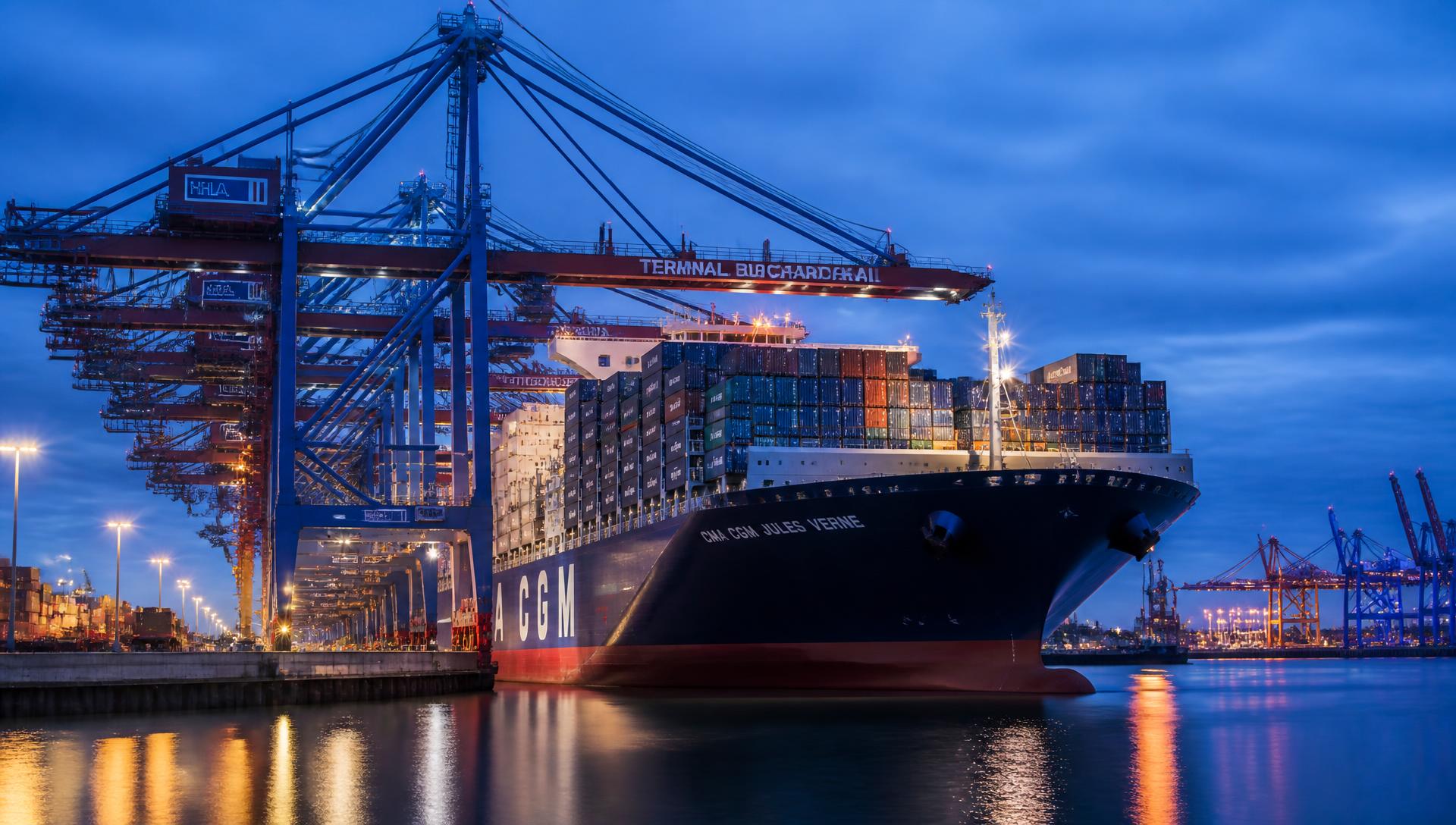
The vehicle is then prepared for export, including a condition check and the documentation required for Canadian export formalities. From there it is loaded into a shipping container at the container loading terminal in Montreal. All transport happens exclusively by sea in a container, which shields the vehicle from weather and outside handling for the full duration of the voyage.
Booking the container
Container space, or booking, needs to be arranged ahead of time so a container is ready when the vehicle is ready to load. VELOX Logistics manages this step along with container booking from the Port of Montreal.
Step 5: Ocean transport to Africa
Once loaded and sealed, the container leaves the Port of Montreal for its destination port in Africa. Transit times vary by destination, carrier, and time of year, and should be confirmed at the time of booking rather than assumed in advance. For details specific to your destination, see the dedicated pages for Ivory Coast, Senegal, Cameroon, or Benin.
Step 6: Customs clearance and pickup at destination
Once the container arrives, the vehicle must clear customs in the destination country. These formalities, including duties, taxes, and required paperwork, are handled by local authorities, not by VELOX Logistics, which acts as the logistics partner for the Canadian side and the ocean transport. It is strongly recommended to research local documentation requirements and any vehicle age restrictions in advance, since these rules are updated periodically.
Documents worth keeping
Keep every document tied to the purchase and shipment in one place: the purchase invoice, the vehicle title, the bill of lading, and all correspondence with the seller and the freight forwarder. Having these ready speeds up the process considerably once the vehicle arrives.
Working with a diaspora network
Many buyers rely on family members or trusted contacts already living in Canada to view a vehicle in person, confirm its condition, and negotiate with the seller before any money changes hands. This extra layer of verification is one of the most effective ways to reduce the uncertainty of buying a car you cannot inspect yourself, and it often pairs well with a written history report and clear photos shared over WhatsApp or email.
Step 7: Common mistakes to avoid
Several import projects run into avoidable trouble: buying a vehicle without verifying the title first, unclear communication with the seller about the vehicle's real condition, underestimating the total budget by forgetting inland transport or preparation fees, and looking into destination customs rules only after the purchase instead of before. Taking the time to plan each stage, from vehicle selection through customs clearance, remains the most reliable way to avoid expensive surprises.
Useful resources
- Vehicle products
- Consolidation service
- Container booking in Montreal
- How to Buy a Car in Canada From Africa
- Contact our team
FAQ
Can I buy a Canadian car without traveling to Canada?
Yes, many buyers purchase remotely by relying on detailed vehicle history reports, photos, and sometimes an inspection by a trusted contact on the ground. Coordinating with a logistics partner like VELOX Logistics then takes care of getting the vehicle to the Port of Montreal.
How long does shipping a car from Canada to Africa take?
Transit times depend on the destination, the carrier, and container availability. It is best to confirm an estimated timeframe when booking the container rather than relying on a general estimate.
What documents should I keep after buying the car?
Keep the purchase invoice, the vehicle title, the bill of lading once the container ships, and all correspondence with the seller and the freight forwarder. These are often required during customs clearance at destination.
Does VELOX Logistics handle customs clearance in my country?
No. VELOX Logistics coordinates vehicle pickup, container booking, loading in Saint-Léonard, and ocean transport from Montreal. Customs clearance at destination is handled by local authorities and, where applicable, a local customs broker.
Is there an age limit for imported vehicles?
This depends entirely on the destination country, and the rules change over time. Always verify current requirements with the customs authority at your destination before finalizing a purchase.
Can I import more than one vehicle at a time?
Yes, many buyers group multiple vehicles into a single container or coordinate several shipments together. The consolidation service can help optimize transport costs for this type of project.
How can I tell if a Canadian vehicle is in good condition before buying it?
Ask for a vehicle history report, recent photos from multiple angles, and, if possible, an inspection carried out by someone you trust on site. Comparing the odometer reading to the vehicle's overall condition also helps flag inconsistencies.
Talk to our team
Every project buying Canadian cars from Africa has its own details, depending on the destination country, vehicle type, and number of units being shipped. Our team can help with coordination, booking, and transport from Montreal. Message us on WhatsApp at +1 514-718-0282 or request a quote to discuss your project.
Cette page existe aussi en français : version française.