
Anyone shopping for a family vehicle to send overseas quickly lands on the same question: is an SUV the right choice? For buyers planning to buy an SUV in Canada for Africa, the answer is usually yes, but the process of selecting the right model and getting it shipped safely by container from Montreal deserves careful planning, more so than with a smaller sedan.
VELOX Logistics works with buyers across Quebec and Ontario to coordinate the steps that follow the purchase: pickup, container booking, loading at the Saint-Léonard warehouse, and the Canadian export paperwork needed before the vessel departs Montreal. This guide walks through what to consider when you buy an SUV in Canada for Africa, from choosing the right model to preparing it for its container journey.
One point applies to every destination country: import rules for vehicle age, applicable taxes, and required paperwork are set by each country's customs authority and they change over time. Always confirm current requirements with the customs authority at destination, or with VELOX, before committing to a purchase.
Why buyers keep choosing SUVs for export
SUVs remain a top pick among diaspora buyers for practical reasons: more ground clearance for rougher roads, room for a larger household, and often all-wheel drive that performs better outside major cities. Many families who buy an SUV in Canada do so specifically because the vehicle needs to handle both paved city streets and less maintained roads once it arrives.
Not every SUV serves the same purpose. Compact crossovers, mid-size SUVs, seven-seat family models, and heavier-duty utility SUVs each suit different needs, and matching the vehicle to its intended use at destination matters as much as the purchase price.
Matching the SUV to how it will actually be used
Mostly city driving
If the vehicle will spend most of its life in urban traffic with occasional trips outside town, a compact or mid-size SUV is often the practical pick. It costs less to buy, is easier to park, and still offers more cargo room than a sedan.
Mixed city and rural routes
When the SUV needs to handle both paved roads and rougher terrain, buyers tend to lean toward a mid-size or full-size model with all-wheel drive. Ground clearance and mechanical durability become more important than fuel economy at that point.
Larger families or commercial use
For bigger households or light commercial use, a seven-seat SUV or a heavier utility model may be the better fit. Given the larger footprint, this type of vehicle needs careful strapping and bracing once it's loaded into a container for the ocean crossing from Montreal.
Where to source the SUV in Canada
Buyers typically choose between a dealership, the private used-car market, or an auction. A dealership usually offers a cleaner vehicle history, private sales can offer more room to negotiate, and auctions require a solid understanding of mechanical condition before bidding, since guarantees are often limited.
Whichever route you take, an independent mechanical inspection before purchase is strongly recommended, along with a check of the vehicle's history for accidents, mileage, and past maintenance. VELOX is not a dealership, a lender, or an inspection company — the team's role starts once the vehicle is purchased, coordinating pickup and the export process, though guidance on logistics-related decisions is part of the conversation from the start.
Key checks before you pay for the SUV
An SUV represents a bigger investment than a compact car, so due diligence matters even more before money changes hands.
| Item to check | Why it matters |
|---|---|
| Vehicle history report | Reveals major accidents or past damage |
| Overall mechanical condition | Avoids costly repairs after purchase |
| Vehicle identification number (VIN) | Confirms it matches the paperwork |
| Title/ownership documents | Confirms the vehicle is free of liens |
| Actual mileage | Compare against visible wear |
| Dimensions and weight | Needed to plan container loading |
| Export documentation needed | Prepares the Canadian customs file early |
How the SUV travels by container from Montreal
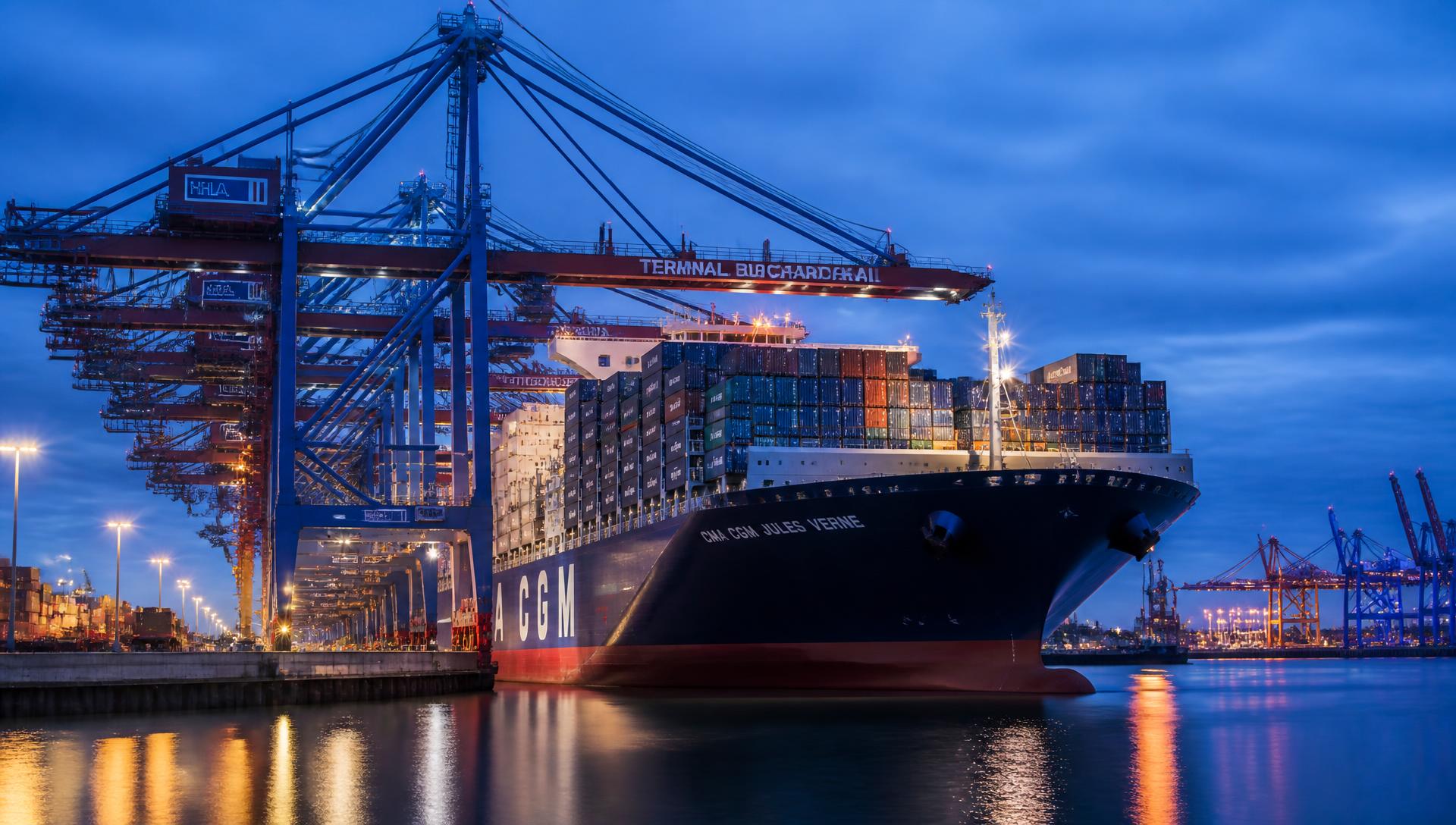
Once the SUV is purchased, VELOX coordinates pickup anywhere in Quebec or Ontario and brings the vehicle to the Saint-Léonard facility for loading. All international ocean transport departs from the Port of Montreal, exclusively inside containers — no other mode is used.
Because of its size, an SUV can sometimes share a container with another vehicle or with cargo, an arrangement known as consolidation. This can be a cost-effective option for buyers who don't have enough volume to justify booking a full container on their own. Clients shipping multiple vehicles, or a larger volume overall, can also discuss booking a full container with the team.
Export paperwork to prepare
The Canadian export file generally includes the vehicle title, valid identification, and the customs forms required to clear the vehicle out of Canada. VELOX guides clients through assembling this file, though exact requirements can vary by situation and should be confirmed before loading day.
What to confirm with customs at the destination
Every country sets its own rules for importing a vehicle: age limits, applicable taxes, and documents required on arrival. These rules are updated from time to time, so it's worth confirming the current requirements directly with the destination country's customs authority before buying the SUV, rather than after it has already shipped. VELOX can help point clients toward the right questions to ask, but does not act as a customs broker at destination.
Getting the SUV ready before it ships
A vehicle that's properly prepared before loading tends to arrive in better condition. That typically means a recent oil change, checking fluid levels, removing non-essential personal belongings, and taking exterior photos before the container is sealed. These steps also make it easier to reference the vehicle's condition if any questions come up after unloading.
Fuel type and long-term running costs
Buyers sometimes weigh a gas SUV against a hybrid or diesel option when one is available. Beyond the purchase price, it's worth thinking about how the vehicle will be maintained and serviced once it's overseas, since parts availability and mechanic familiarity with certain drivetrains can vary a lot by country. Asking about this locally, before finalizing the purchase in Canada, can save headaches later.
Insurance and ownership transfer considerations
Before a vehicle leaves Canada, the ownership transfer needs to be properly completed and documented, since this paperwork forms part of what's required for export. Buyers should also confirm with their own insurer how coverage applies during the period between purchase and pickup, since a gap here can leave the vehicle unprotected while it sits waiting for transport arrangements to be finalized.
Useful resources
- Vehicle products
- Consolidation service
- Container booking in Montreal
- Container loading in Montreal
- VELOX blog
FAQ
Does an SUV cost more to ship than a sedan?
Cost depends on the vehicle's size and how much container space it takes up, and an SUV generally occupies more room than a sedan. The shipping method stays the same either way: ocean container departing from Montreal. Reach out to the VELOX team to discuss what applies to your specific vehicle.
Can I buy a used SUV at auction and export it?
Yes, that's a common route, but it requires a solid read on the vehicle's real mechanical condition before bidding, since auctions typically come with fewer guarantees than a dealership purchase. An independent inspection beforehand is still a good idea.
Is there an age limit for importing an SUV into African countries?
That depends entirely on the destination country, and those rules can change. Confirm the current age limit with the customs authority at destination before finalizing your purchase, so you avoid a rejection at the border once the vehicle arrives.
Can VELOX help me pick which SUV to buy?
VELOX doesn't sell vehicles, but the team can walk clients through logistics considerations like size, weight, and how the SUV will be secured in the container — factors that sometimes influence the final choice between models.
Can an SUV share a container with another vehicle?
Often, yes, depending on the dimensions of the SUV and the second vehicle. This kind of consolidation is worth discussing with the VELOX team once you know the exact measurements involved.
What documents do I need to export my SUV from Montreal?
Typically the vehicle title, valid identification, and the Canadian customs forms required for export. VELOX helps prepare this file, but exact requirements should be confirmed based on your specific vehicle and situation.
How far in advance should I book my container?
That depends on container availability at the time of your project. It's best to reach out to VELOX early in your buying process so pickup and loading can be scheduled without last-minute pressure.
Talk to our team
Planning to buy an SUV in Canada for Africa? The VELOX Logistics team can coordinate pickup, container booking, and loading at our Saint-Léonard facility. Request a quote through our contact page or message us directly on WhatsApp to talk through your project.
Cette page existe aussi en français : version française.