
Cameroonian buyers, whether living in Douala, Yaoundé, or abroad, increasingly look to Canada when shopping for a reliable used vehicle. The appeal is straightforward: a wide selection of vehicles, generally well-documented service histories, and a purchase process that, once organized correctly, can be handled almost entirely online before the car ever reaches the port of Douala.
Buying a vehicle you cannot see in person naturally raises questions. How do you confirm a car's real condition from thousands of kilometres away? What paperwork actually matters? And once the deal is done, how does the vehicle get from a driveway in Ontario or Quebec onto a ship bound for Cameroon? This article walks through the process in order, from choosing a vehicle to picking it up after customs clearance in Douala, and explains where VELOX Logistics, a Montreal-based freight forwarder, fits into that chain.
VELOX does not sell vehicles, act as a bank, or clear goods through customs in Cameroon. Its role is logistics: picking up the purchased vehicle in Quebec or Ontario, booking the container, handling loading at its Saint-Léonard facility, and managing Canadian export formalities before the ship leaves Montreal.
How to buy a car in Canada from Cameroon, step by step
Set your criteria before you start browsing
Decide on vehicle type, intended use, and an approximate budget range before searching listings. Buyers who skip this step often end up comparing incompatible options — a compact sedan against a pickup truck — and lose weeks going back and forth. Knowing whether the car needs to handle Douala's urban traffic or longer inland trips toward Yaoundé narrows the search considerably.
Search Canadian listings and shortlist candidates
Online classifieds, dealership inventories, and used-vehicle auctions are the usual sources in Canada. Once you find a few candidates, request a vehicle history report covering accident records, mileage, and ownership count. Comparing similarly priced listings side by side also helps you spot a car that is overpriced or underdisclosed.
Arrange an independent inspection
Photos and a seller's description cannot substitute for a mechanical inspection carried out by an independent technician. This step costs relatively little compared with the total price of the vehicle, yet it is the one remote buyers skip most often — usually to their regret once the car has already shipped.
Confirm the paperwork and complete the purchase
Before transferring payment, confirm that the seller can provide a clean title, a bill of sale, and any lien-release documentation if applicable. Only once these are in hand should the purchase be finalized.
Get the vehicle to the loading point
After the sale closes, the car needs to reach the container loading facility. This is where VELOX Logistics takes over: coordinating pickup anywhere in Quebec or Ontario, preparing the vehicle for container loading in Saint-Léonard, and managing the export documentation required before departure from the port of Montreal.
Shipping by container from Montreal to Douala
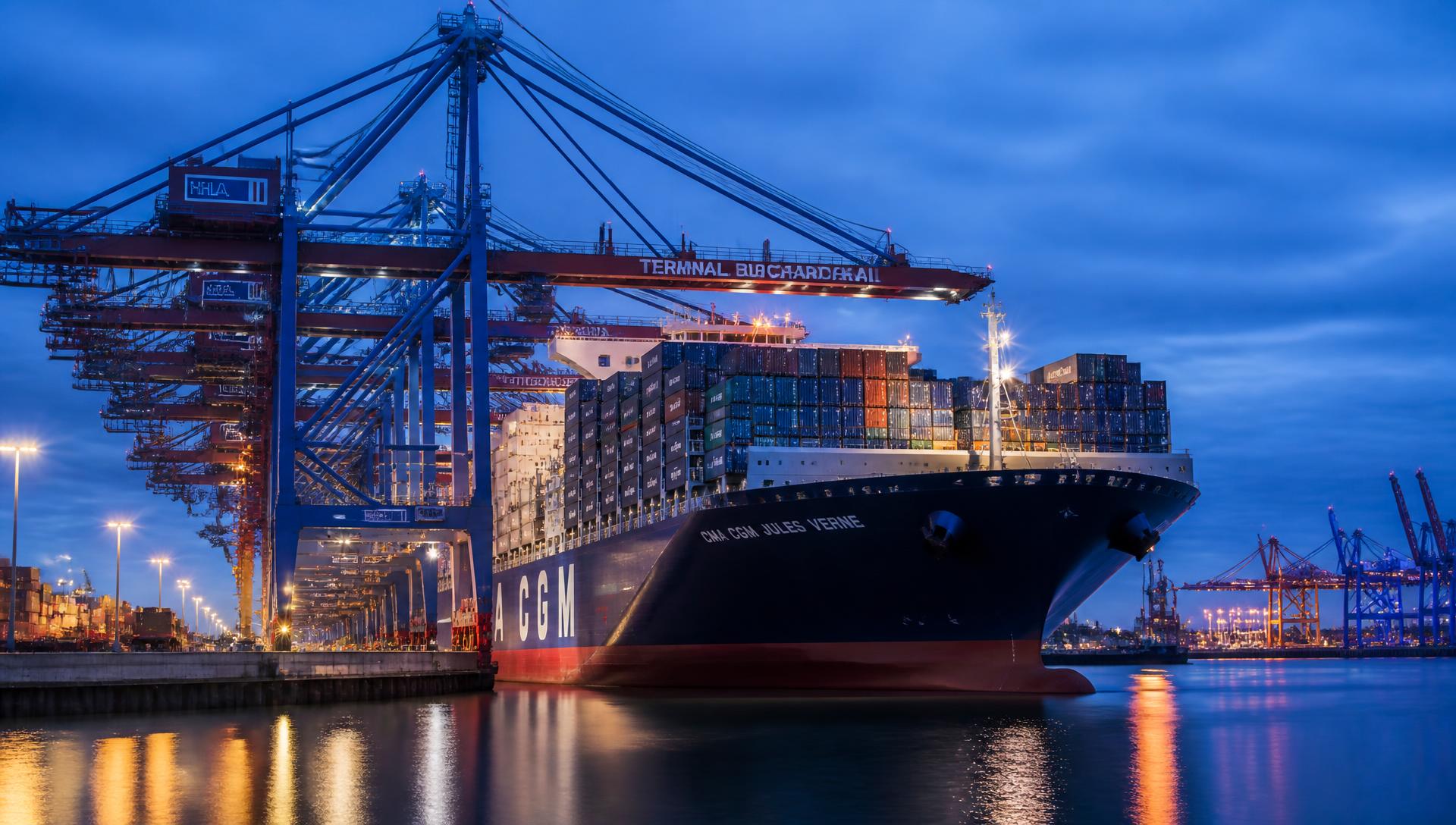
Every international vehicle shipment VELOX coordinates leaves from the port of Montreal and travels exclusively by sea inside a shipping container. Keeping the vehicle enclosed for the entire ocean crossing protects it from weather and handling exposure that an open deck loading method would not prevent.
Depending on your situation, you can book a container for a single vehicle or share space through consolidation with other cargo or vehicles — a practical option if you do not need a full container to yourself. VELOX manages the container booking and tracks the shipment through to loading.
Once the container reaches the port of Douala, the vehicle must clear Cameroonian customs before it can be released to the owner or their representative. That clearance process is handled locally by Cameroonian authorities and is separate from the export coordination VELOX manages on the Canadian side.
Typical documents involved
| Document | Purpose |
|---|---|
| Bill of sale / vehicle title | Confirms transfer of ownership to the buyer |
| Purchase invoice | Reference used during customs processing |
| Canadian export certificate | Required to export the vehicle from Canada |
| Bill of lading | Ocean transport document needed to release the vehicle in Douala |
| Buyer identification | Used to verify identity during formalities |
This list is a general reference. Exact requirements should be confirmed with Cameroonian customs authorities or with VELOX before you commit to a purchase.
What to confirm before committing to a purchase
Rules covering the age of imported vehicles, applicable taxes, and customs duties in Cameroon are subject to change and are set by Cameroonian authorities, not by VELOX. Before finalizing any purchase, confirm the current requirements directly with Cameroon's customs administration, or ask VELOX for guidance, rather than relying on outdated information found online.
It is also worth clarifying, ahead of time, how the vehicle will move from Douala to its final destination if that destination is Yaoundé or another inland city, since that leg is arranged separately from the ocean shipment.
Budgeting without relying on fixed numbers
The total cost of importing a vehicle depends on several variables: the purchase price itself, inland transport within Canada to Saint-Léonard, container booking costs, and duties or taxes assessed on arrival in Cameroon. Because these figures shift depending on the vehicle and the rules in effect at the time, it makes more sense to request a personalized estimate than to plan around generic numbers found elsewhere.
Choosing between fuel types for Douala's roads
Local driving conditions often shape the decision between a gasoline and a diesel vehicle. Some buyers favor diesel engines for their durability over longer inland routes, while others prefer gasoline models because parts and mechanics are more readily available in Douala and Yaoundé. This decision is personal and benefits from a conversation with someone familiar with Cameroon's used-parts market before you settle on a specific vehicle in Canada.
Working with someone on the ground in Cameroon
Many diaspora buyers coordinate with a relative or a trusted contact based in Cameroon to manage the receiving side of the shipment. That person can track the container's arrival, confirm current customs requirements with local authorities, and arrange the vehicle's onward transport once it clears the port — whether it stays in Douala or continues to Yaoundé.
Common mistakes to avoid
Some buyers skip the independent inspection to save time, or send payment before confirming that the title is free and clear. Others underestimate how long it takes to assemble every export document before the loading deadline. Working step by step, with a dependable logistics partner on the Montreal side, removes most of these risks.
Insurance and paperwork once the car reaches Cameroon
Before the vehicle leaves the port compound in Douala, expect to handle local registration and, where required, roadworthiness checks specific to Cameroon. These steps sit outside VELOX's scope, since they are handled by Cameroonian authorities and local service providers, but planning for them in advance avoids the vehicle sitting idle at the port longer than necessary. Ask your local contact or a customs broker in Douala what paperwork they will need from you ahead of the ship's arrival, so nothing is missing when the container is unloaded.
Useful resources
- VELOX vehicle products
- Consolidation service
- Container booking in Montreal
- Container loading in Montreal
- Other destinations: Ivory Coast
FAQ
Can I buy a car in Canada without visiting the country?
Yes, most Cameroonian buyers complete the entire process remotely, from sourcing the vehicle to having it loaded into a container in Saint-Léonard. An independent inspection and a transparent seller are the two elements that make a remote purchase safe.
Does the vehicle travel by container or another method?
Every vehicle VELOX handles ships inside a sea container for the full Montreal-to-Douala crossing. This keeps the vehicle enclosed and protected throughout the voyage.
What paperwork should I gather before buying?
You will typically need the vehicle's title, a bill of sale, a Canadian export certificate, and any additional documents Cameroonian customs requires. Confirm the exact list with VELOX or the customs authority before finalizing your purchase.
How do I know if a vehicle's age is acceptable for import into Cameroon?
Age restrictions on imported vehicles change periodically and are set by Cameroonian customs, not by VELOX. Verify current rules directly with the customs authority before buying rather than relying on older online sources.
Can VELOX help me find the vehicle itself?
VELOX is a logistics partner that coordinates pickup, container booking, and export formalities from Montreal, and it can guide you through the overall process. Selecting and negotiating the vehicle purchase itself remains the buyer's responsibility.
How long does the process take from purchase to arrival in Douala?
Timelines depend on container availability, documentation readiness, and other variables, so there is no fixed duration that applies to every shipment. Reach out to VELOX to discuss a realistic timeline for your specific situation.
What happens once the vehicle reaches the port of Douala?
The vehicle must go through local customs clearance before it can be released, a step managed by Cameroonian authorities and local agents rather than by VELOX. VELOX's role covers the Canadian side of the shipment through loading in Montreal.
Talk to our team
Every vehicle purchase headed for Cameroon benefits from structured planning, starting with the vehicle search and ending with loading in Saint-Léonard. Message us on WhatsApp or request a quote to talk through your shipment to Douala.
Cette page existe aussi en français : version française.