
For members of the Beninese diaspora in Canada, and for families back in Cotonou, the question comes up often: is it realistic to buy a car in Canada from Benin without ever setting foot in a dealership yourself? The answer is yes, provided the purchase and the shipping are treated as two separate, carefully managed steps.
Canada's used-vehicle market is large, and many vehicles come with maintenance records that make remote buying safer than it sounds. What makes the process work reliably is pairing a careful purchase with a logistics partner who can move the vehicle from a Canadian driveway to a container bound for West Africa. This guide walks through that process from a Benin-specific angle, without guessing at prices, timelines, or customs rules that only local authorities can confirm.
Whether the car is meant for a returning family member, a relative in Cotonou, or your own future use, getting the sequence right avoids costly delays once the vehicle is already at sea.
The practical case to buy a car in Canada from Benin
Compared to sourcing locally, buying in Canada opens up a wider inventory and, often, better-documented vehicle histories. The trade-off is distance: you cannot test-drive the car yourself, and you need someone trustworthy to inspect it before money changes hands. Once that trust layer is in place, the rest of the process becomes a matter of coordination rather than guesswork.
VELOX Logistics, based in Saint-Léonard, Quebec, works on the shipping side of this equation. It is a logistics partner, not a car dealer, a bank, or a customs broker in Benin. It can guide and coordinate the export process — but the vehicle purchase itself is handled by you or someone you trust in Canada.
What VELOX Logistics does and does not do
Being clear about roles avoids confusion later. VELOX does not select vehicles, negotiate prices, or handle payments to sellers. What it does handle, once you own the vehicle, includes:
- Coordinating pickup of the vehicle in Quebec or Ontario.
- Booking the shipping container.
- Loading the vehicle at its Saint-Léonard facility.
- Managing Canadian export formalities.
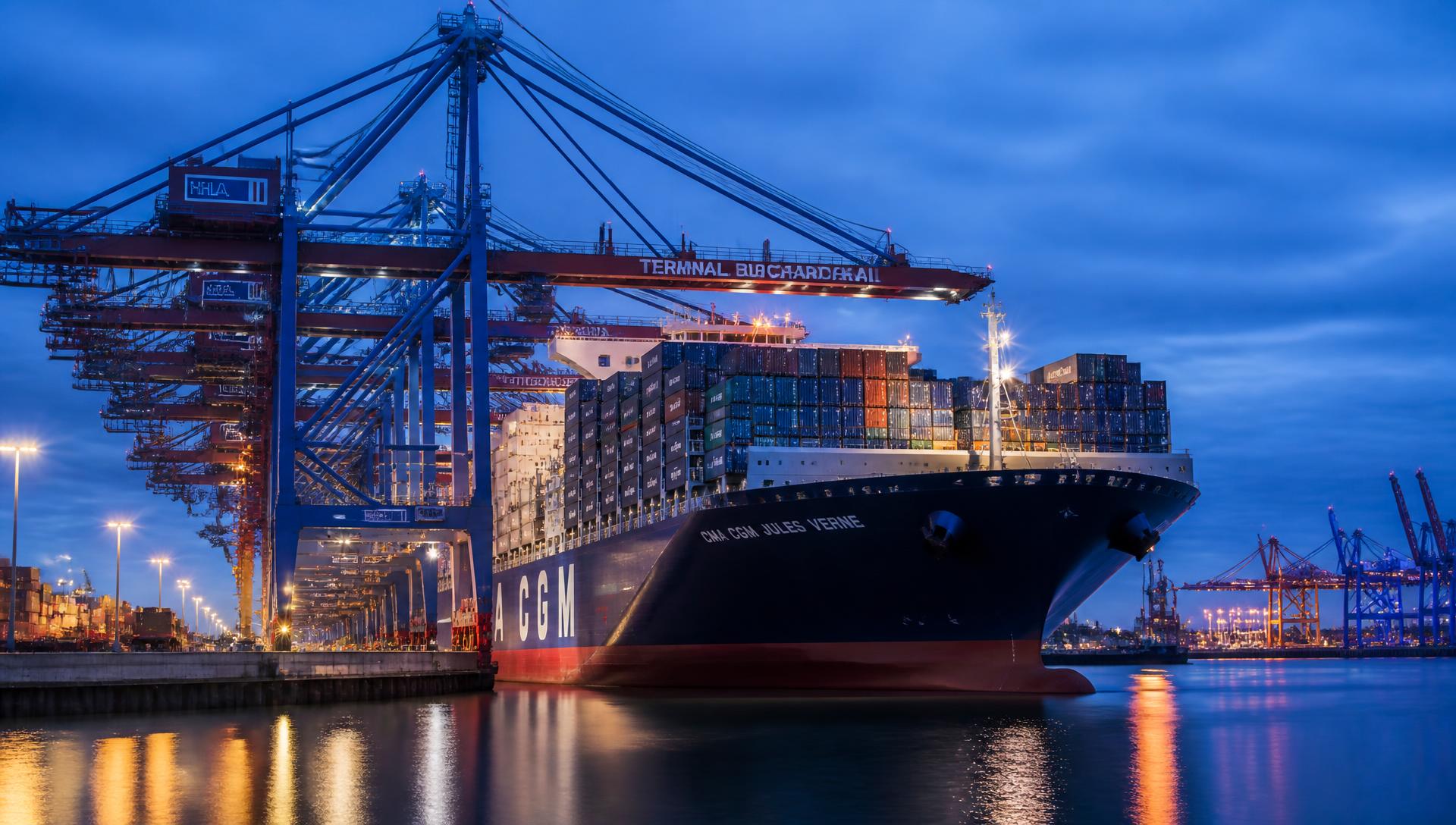
- Arranging ocean transport by container from the Port of Montreal to the destination port.
Every shipment departs from Montreal, and every vehicle travels by sea inside a container — never by any other method.
A step-by-step path from purchase to Cotonou
Step 1: Decide what you actually need
Before browsing listings, settle on the vehicle type — sedan, SUV, pickup, minivan — along with an acceptable age range and mileage. Also think about how the car will be used once it lands in Benin: daily driving in Cotonou, commercial use, or transport further inland. This narrows the search and prevents second-guessing after money is committed.
Step 2: Search and verify remotely
Canadian classifieds, dealer listings, and a trusted contact on the ground are the usual routes. Whatever the source, arrange an independent mechanical inspection before finalizing anything. A report with photos, video, and a VIN check protects you from buying a vehicle that looks better online than it runs in person.
Step 3: Close the purchase and collect paperwork
Once you commit, the seller should hand over the title or bill of sale, proof that any prior registration has been cleared, and whatever service history exists. These documents matter twice: first for Canadian export, and again for customs clearance in Benin.
Step 4: Get the vehicle to Saint-Léonard
After purchase, the car needs to reach VELOX's facility in Saint-Léonard for container preparation. VELOX can coordinate pickup from sellers located anywhere in Quebec or Ontario, which is useful if the vehicle was bought at a distance from Montreal itself.
Step 5: Loading and export formalities
At Saint-Léonard, the vehicle is inspected, cleaned if needed, and secured inside the container according to maritime safety standards. VELOX handles the associated Canadian export paperwork before the container is loaded onto a vessel at the Port of Montreal.
Step 6: Ocean transport to the port of Cotonou
The container travels by sea to Cotonou, Benin's main maritime gateway. Transit times depend on carrier schedules and rotations at the time of booking — they should be confirmed when the container is reserved, not assumed in advance.
Step 7: Clearance and pickup in Cotonou
Once the container arrives, the vehicle must go through Beninese customs clearance. Rules on vehicle age limits, applicable duties, and required paperwork change over time, so they need to be verified directly with Benin's customs authority — or with VELOX's guidance — before the purchase is even made, not after the car has landed.
Documents you will typically need
| Document | Why it matters |
|---|---|
| Title or bill of sale | Proves ownership of the vehicle |
| Purchase invoice | Reference for customs procedures |
| Maintenance history | Supports the vehicle's condition claims |
| Buyer identification | Needed for Canadian export formalities |
| Container booking confirmation | Tracks the shipment logistically |
What to double-check before you commit
Skipping an independent inspection is the single riskiest shortcut in a remote purchase. A detailed report with clear photos and video lets you confirm the vehicle matches its description before any funds move. Cross-check the Vehicle Identification Number (VIN) against the paperwork provided — mismatches are a red flag worth investigating before, not after, purchase.
Equally important: Benin's customs requirements around vehicle age and applicable taxes are not fixed. They evolve, and only Benin's customs authority — or VELOX acting as a guide — can confirm what currently applies before you finalize the purchase.
Cotonou as a regional shipping corridor
The Port of Cotonou does more than serve Benin directly; it also functions as a transit point for buyers connected to neighboring markets. That makes it a practical destination for the Beninese diaspora in North America shipping a vehicle to family, whether the car stays in Cotonou or continues onward within the region.
Planning the shipping side early — ideally before the purchase closes — shortens the wait once the container actually reaches port, since pickup logistics can be arranged in parallel with the ocean crossing.
Budgeting time, not just money
One detail buyers often overlook is that the total timeline is not just the ocean crossing. It also includes the time to find and vet a vehicle, arrange pickup to Saint-Léonard, complete export formalities, and then clear customs in Cotonou. Building in buffer time at each stage — rather than assuming everything will move at the fastest possible pace — makes the whole plan more realistic, especially if the vehicle is needed for a specific event or season back home.
Working with someone you trust in Canada
Many successful purchases from Benin involve a relative, friend, or trusted contact physically present in Canada who can view the vehicle, attend the inspection, and confirm details that photos alone cannot show — panel gaps, unusual smells, warning lights, or worn interior trim. If no such contact is available, a paid third-party inspection service is a reasonable substitute. Either way, having a second set of eyes in Canada before the purchase closes remains one of the most effective ways to reduce risk in a remote transaction.
Common mistakes to avoid
The costliest mistake is buying sight-unseen without an independent mechanical check. A close second is incomplete paperwork, which can stall customs clearance in Cotonou for longer than expected. Assuming customs rules without confirming them directly with Beninese authorities is a third avoidable trap — one that a quick verification could have prevented.
If you're weighing other West African corridors, our guides on buying a car in Canada from Togo and from Ivory Coast walk through similar steps adapted to each destination port.
Useful resources
- Available vehicles
- Container booking service in Montreal
- Container loading in Montreal
- Benin destination page
- Cargo consolidation
FAQ
Can I really buy a car in Canada without traveling there?
Yes. Remote purchases work well as long as an independent inspection confirms the vehicle's condition and all ownership documents are verified before the transaction closes.
What kind of vehicle suits Benin best?
It depends on intended use — an SUV or pickup handles varied road conditions well, while a sedan can be more practical for city driving in Cotonou. Budget and how the vehicle will actually be used should guide the final choice.
How long does shipping to Cotonou take?
Transit time depends on carrier schedules at the time of booking. There's no fixed figure to quote in advance; it should be confirmed when the container reservation is made.
What taxes apply when importing a car into Benin?
Duties and taxes change over time and depend on the vehicle. They must be confirmed directly with Benin's customs authority before purchase, so there are no surprises when the vehicle arrives.
Does VELOX help find the vehicle in Canada?
VELOX acts as a logistics partner that can guide and coordinate the purchase and export process, but it does not operate as a dealership. The actual selection and purchase are handled by the buyer or a trusted representative in Canada.
Will my vehicle ship alone in its own container?
That depends on available space and the logistics arrangement chosen at booking time; several configurations exist depending on shipment volume. These details are best discussed directly with VELOX during planning.
Is there an age limit for vehicles imported into Benin?
Age-related import restrictions may apply and can change over time. They should be verified with Benin's customs authority before purchase, to make sure the chosen vehicle can clear customs without complications.
Talk to our team
If you're planning to buy a car in Canada and ship it to Cotonou, our team can help coordinate everything from pickup in Quebec or Ontario to loading in Saint-Léonard and departure from the Port of Montreal. Request a quote or message us directly on WhatsApp to discuss your project.
Cette page existe aussi en français : version française.