🔎 International Sourcing
How to Find a Used Clothing Wholesaler in Quebec
Finding a reliable used clothing wholesaler in Quebec is a crucial step for businesses looking to enter or expand within the international second-hand trade. This process involves identifying…

How to Find a Used Clothing Wholesaler in Quebec
Finding a reliable used clothing wholesaler in Quebec is a crucial step for businesses looking to enter or expand within the international second-hand trade. This process involves identifying reputable suppliers who can provide consistent quality and volume, understanding the local market dynamics, and establishing strong logistical partnerships. Success in this sector hinges on diligent research, effective networking, and a clear understanding of grading, sourcing, and export requirements. By following a structured approach, businesses can efficiently locate and vet wholesalers that meet their specific operational needs.
Understanding the Quebec Used Clothing Market Landscape
Quebec presents a unique and robust environment for the used clothing trade, driven by a strong culture of sustainability, a vibrant retail sector, and a well-established network of collection points. The province benefits from a diverse population, contributing to a wide variety of clothing styles, brands, and materials available for collection and resale. For businesses seeking to source inventory, understanding this landscape is paramount.
Key Characteristics of the Quebec Market
- Diverse Sourcing Channels: Used clothing in Quebec is collected through various avenues, including charitable organizations, municipal recycling programs, private collection bins, and consignment stores. Each channel offers different volumes, quality profiles, and cost structures for wholesalers.
- Quality and Condition: Due to consumer habits and the climate, a significant portion of collected clothing is in good to excellent condition, suitable for re-wear. Wholesalers often categorize items based on their condition, material, and brand, applying various Used Clothing Grades and Quality.
- Regulatory Environment: Quebec, like other Canadian provinces, has regulations governing waste management and recycling. Wholesalers must operate within these frameworks, ensuring ethical sourcing and environmental compliance.
- Logistical Advantages: Montreal, as a major port city, offers significant logistical advantages for exporting used clothing. Its infrastructure facilitates efficient domestic transport and international shipping, making it an attractive hub for the trade.
The Role of Wholesalers
Used clothing wholesalers in Quebec act as crucial intermediaries. They typically perform several key functions:
- Collection and Aggregation: They gather used clothing from various sources across the province.
- Sorting and Grading: Expert sorters meticulously categorize clothing by type, season, quality, and sometimes even brand, preparing it for different markets.
- Baling and Packaging: Clothing is compressed into bales of varying weights and dimensions, optimized for storage and international shipping. For insights into container optimization, refer to our article on How Many Used Clothing Bales Fit in a 20ft or 40ft Container?.
- Distribution: They sell these sorted and baled goods to local retailers, exporters, and international buyers.
For international buyers, partnering with a Quebec-based wholesaler simplifies the sourcing process, ensuring a consistent supply of goods prepared for export.
Identifying Potential Wholesalers: Where to Begin Your Search
Finding the right used clothing wholesaler in Quebec requires a systematic approach. Several avenues can lead you to reputable suppliers who meet your specific inventory needs.
Online Directories and B2B Platforms
The digital realm is often the first point of contact for identifying potential partners.
- Industry-Specific Directories: Look for online directories focused on textile recycling, second-hand goods, or wholesale apparel. These often list companies by region.
- B2B Marketplaces: Platforms like Alibaba, Global Sources, or even Canadian business directories (e.g., Yellow Pages, CanadaOne) can feature wholesalers. While not all are exclusively for used clothing, a targeted search can yield results.
- Professional Associations: Associations related to textile recycling, waste management, or sustainable fashion might have member directories or resources that list wholesalers.
Networking and Referrals
Personal connections and industry insights can be invaluable.
- Trade Shows and Exhibitions: Although less common for used clothing exclusively, general textile or recycling trade shows, even virtual ones, can be opportunities to connect with Quebec-based companies or their representatives.
- Industry Contacts: If you have existing contacts in the second-hand trade, ask for recommendations. Word-of-mouth from trusted sources can lead to highly reliable suppliers.
- Local Business Chambers: Contacting local Chambers of Commerce in Quebec cities (e.g., Montreal, Quebec City, Laval) might provide lists of registered businesses in relevant sectors.
Direct Approach to Collection Points
While less common for direct wholesale, understanding the upstream supply chain can reveal key players.
- Charitable Organizations: Large charities (e.g., Salvation Army, Renaissance) often have dedicated programs for selling surplus clothing to wholesalers. While they might not sell directly to small businesses, they can sometimes provide leads to their established wholesale partners.
- Textile Recycling Facilities: Some facilities that process collected textiles may also sell sorted used clothing in bulk.
When compiling a list of potential wholesalers, focus on those explicitly mentioning "wholesale," "export," "bales," or "bulk used clothing" in their descriptions.
Due Diligence: Vetting Potential Suppliers
Once you have a list of potential used clothing wholesalers in Quebec, the next critical step is thorough due diligence. This process ensures you partner with reliable, ethical, and capable suppliers.
Key Vetting Criteria
- Experience and Reputation:
- How long have they been in business? Longevity often indicates stability and experience.
- Do they have references from other international buyers?
- Check online reviews and industry forums, if available, though these can be scarce for B2B.
- Sourcing Methods:
- Where do they source their clothing from? (e.g., charities, private collection, municipal programs).
- Do they have ethical sourcing practices in place?
- Sorting and Grading Processes:
- What are their Used Clothing Grades and Quality standards? How do they categorize items (e.g., cream, A-grade, B-grade, rags)?
- Can they provide detailed breakdowns of their sorting criteria for different product categories?
- Do they allow inspections of their sorting facility?
- Volume and Consistency:
- Can they consistently supply the volume you require on an ongoing basis?
- What is their lead time for preparing large orders (e.g., full containers)?
- Packaging and Baling:
- What types of bales do they offer (e.g., 45kg, 55kg, 100kg)?
- How are the bales secured and protected for international shipping? Our article on Sorting and Packing Used Clothing Bales for Export provides useful context.
- Logistical Capabilities:
- Are they experienced in preparing goods for international export?
- Can they arrange domestic transport to Montreal's port for container loading?
- Do they have relationships with freight forwarders like VELOX Logistics?
- Communication and Responsiveness:
- How promptly do they respond to inquiries?
- Is their communication clear and professional?
Requesting Samples and Visiting Facilities
- Sample Orders: Requesting a small sample order, even if it incurs a cost, is highly recommended. This allows you to assess the actual quality, grading accuracy, and packaging firsthand.
- Facility Visits: If feasible, visiting a wholesaler's sorting facility in Quebec provides invaluable insight into their operations, cleanliness, and the professionalism of their staff. This also helps build trust and a stronger business relationship.
Navigating Pricing and Quotes
Understanding the pricing structure for wholesale used clothing is essential for profitability. Rates are highly variable and depend on numerous factors.
Factors Influencing Wholesale Prices
The price you pay for wholesale used clothing from a Quebec supplier will be influenced by:
- Grade and Quality: "Cream" or "A-grade" items, often comprising designer brands or nearly new condition, command significantly higher prices than B-grade or rag material.
- Category: Specific categories like vintage clothing, particular types of denim, or seasonal items (e.g., winter coats in autumn) can have different price points.
- Volume: Larger orders, such as full container loads, typically receive better per-kilogram or per-bale rates compared to smaller, less-than-container-load (LCL) quantities.
- Market Demand: Global demand for specific types of used clothing can impact prices. For example, high demand from African markets for certain categories can drive up costs.
- Supplier's Sourcing Costs: The wholesaler's own costs for collecting, sorting, and baling the clothing will be factored into their pricing.
- Packaging: Specialized packaging or smaller, custom bale sizes might incur additional costs.
- Incoterms: The agreed-upon Incoterms (e.g., EXW, FOB) will determine which party is responsible for costs like domestic transport, loading, and export documentation, thus influencing the final price quoted by the wholesaler.
Requesting a Quote
When requesting a quote from a Quebec wholesaler, be as specific as possible:
- Desired Categories: Specify the exact types of clothing (e.g., men's t-shirts, women's dresses, children's wear, mixed summer clothing).
- Quality Grade: Clearly state the quality grade you require (e.g., A-grade, B-grade).
- Volume: Indicate the total weight or number of bales, and whether you are looking for a 20ft or 40ft container load.
- Destination: Mention the final destination country, as this might influence packaging or documentation requirements.
- Incoterms: If you have a preferred Incoterm (e.g., "FOB Montreal Port"), include it. Otherwise, request a quote that clearly outlines what is included.
Important Note on Pricing: It is crucial to understand that rates for wholesale used clothing vary significantly based on these factors and market fluctuations. Wholesalers will provide a dated quote that reflects current conditions. Never rely on generalized price lists; always request a specific quote for your current needs. Our article on Wholesale Used Clothing Prices in Canada offers further context on this variability.
Here's a table summarizing key factors that influence pricing:
| Factor | Description | Impact on Price (General) |
|---|---|---|
| Quality Grade | Cream/A-grade vs. B-grade/C-grade/Rags | Higher quality = Higher price |
| Product Mix | Specific categories (e.g., denim, vintage) vs. general mixed rags | Specific, in-demand categories = Higher price |
| Volume | Full container load (FCL) vs. Less than container load (LCL) | FCL often yields lower per-unit cost |
| Seasonality | Summer clothes in spring/winter clothes in autumn vs. off-season purchases | In-season demand can drive prices up |
| Market Demand | Global demand for specific items or from certain regions | High demand = Higher price |
| Packaging | Bale size, custom wrapping, specialized sorting | Custom/specialized packaging = Higher price |
| Incoterms | Who pays for transport, insurance, loading (e.g., EXW, FOB) | Impacts total cost to buyer, not necessarily per-kilo item price |
Logistics and Export from Quebec
Once you've identified a wholesaler and secured your inventory, the next critical phase is managing the logistics for international export. This is where a reliable freight forwarder based in Montreal becomes indispensable.
The Importance of Montreal as a Departure Hub
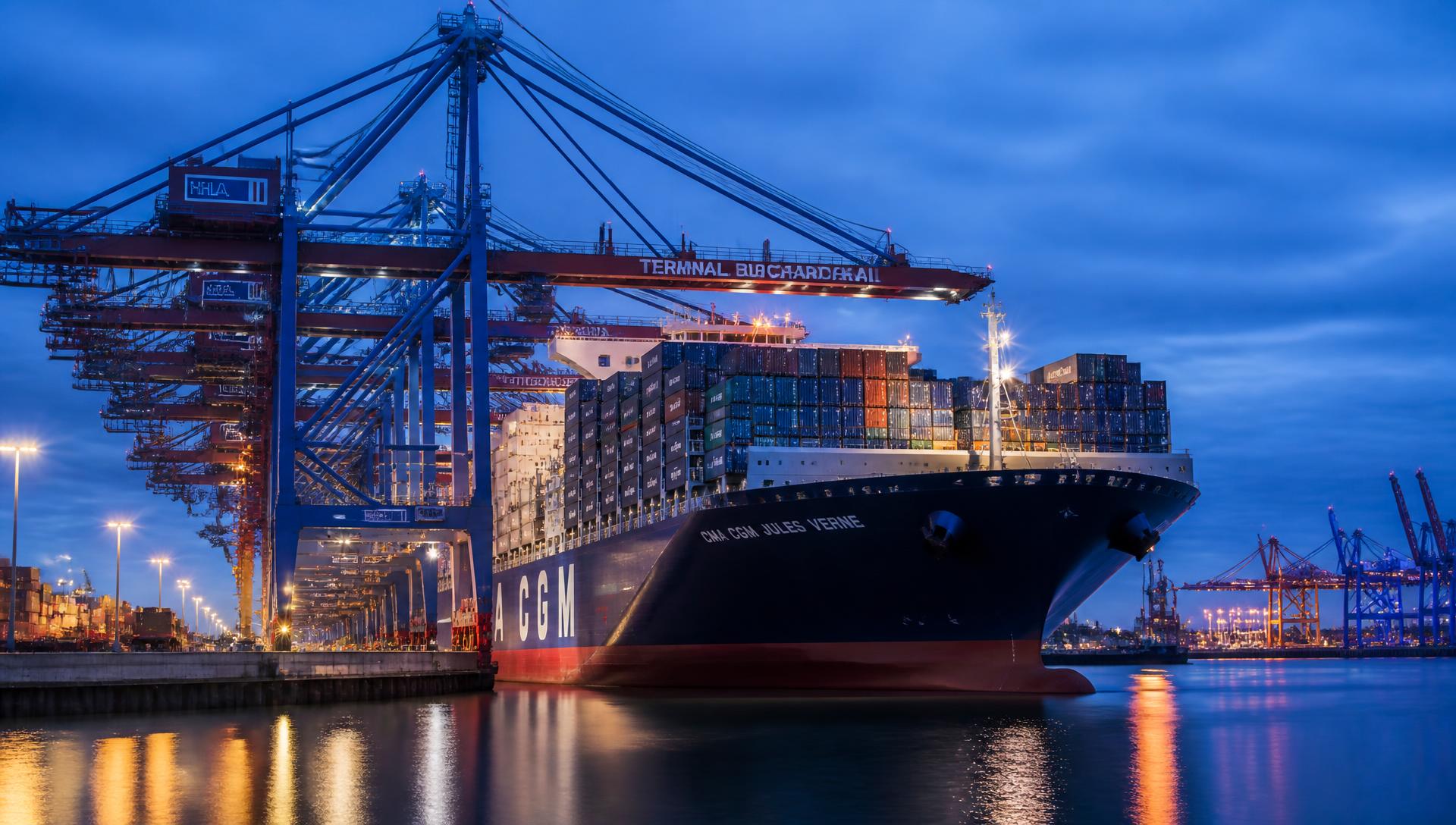
As VELOX Logistics is based in Montreal, all international departures for your used clothing shipments will originate from this city. Montreal offers significant advantages:
- Strategic Location: Positioned on the St. Lawrence River, Montreal is a major port city with direct access to global shipping lanes.
- Robust Infrastructure: The port handles a high volume of container traffic, ensuring efficient processing of goods.
- Experienced Logistics Ecosystem: Montreal boasts a dense network of freight forwarders, customs brokers, and transportation providers specializing in international trade.
Working with a Freight Forwarder
A freight forwarder like VELOX Logistics will manage the complexities of shipping your used clothing from Quebec to your international destination. Our services include:
- Container Booking: Arranging for the appropriate container size (20ft or 40ft) based on your cargo volume.
- Inland Transportation: Coordinating the pickup of bales from your wholesaler's facility in Quebec and transport to the Montreal port.
- Container Loading in Montreal: Overseeing the efficient and secure loading of your bales into the container, optimizing space and ensuring cargo stability.
- Customs Documentation: Preparing and submitting all necessary export declarations and customs paperwork for Canada.
- Ocean Freight: Booking space on suitable vessels and managing the ocean transit.
- Tracking and Communication: Providing updates on your shipment's status from departure to arrival.
We specialize in Used clothing logistics service and have extensive experience in shipping Wholesale used clothing to various international markets, including significant volumes to Africa. For more information on this specific route, please see our article on Shipping Used Clothes from Canada to Africa.
Essential Documentation for Export
To ensure a smooth export process, you will need several key documents:
- Commercial Invoice: Provided by your wholesaler, detailing the goods, quantities, and value.
- Packing List: Also from the wholesaler, specifying the number of bales, weights, and contents.
- Bill of Lading (B/L): Issued by the shipping line or freight forwarder, serving as a contract of carriage and title to the goods.
- Export Declaration: Required by Canadian customs authorities.
- Certificates (if applicable): Depending on the destination country, you might need certificates of origin, fumigation certificates, or other specific import permits. Your freight forwarder can advise on these requirements.
Ensuring all documentation is accurate and complete is crucial to avoid delays and potential penalties.
Building Strong Relationships and Scaling Your Business
Successful long-term engagement in the used clothing trade from Quebec relies heavily on establishing robust relationships and strategically planning for growth.
Fostering Supplier Relationships
- Clear Communication: Maintain open and transparent communication with your chosen wholesaler. Clearly articulate your needs, expectations, and any feedback.
- Fair Practice: Adhere to agreed-upon payment terms and contractual obligations. Reliability builds trust.
- Feedback Loop: Provide constructive feedback on the quality and consistency of goods received. This helps the wholesaler improve and tailor their offerings to your needs.
- Long-Term Vision: Approach the relationship with a long-term perspective, aiming for mutually beneficial growth.
Strategic Growth and Market Expansion
- Market Research: Continuously research your target markets to understand evolving demand, preferences, and regulatory changes. Articles like Starting a Used Clothing Business in Africa from Canada can offer valuable insights for specific regions.
- Diversification: Consider diversifying your product categories or quality grades to cater to a broader customer base or mitigate risks associated with over-reliance on a single product type.
- Logistics Optimization: As your business grows, continually evaluate and optimize your logistics chain. Working closely with your freight forwarder to streamline processes can lead to cost savings and improved efficiency.
- Financial Planning: Ensure you have adequate working capital to manage inventory purchases, shipping costs, and unforeseen expenses.
By focusing on these areas, businesses can not only find reliable used clothing wholesalers in Quebec but also build a sustainable and expanding international trade operation. The foundation of this success will always be built on strong partnerships and a clear understanding of both the sourcing and shipping aspects of the industry.
[[CTA]]
FAQ — Finding and Exporting Used Clothing from Quebec
Q1: What types of used clothing are most commonly available from Quebec wholesalers? A: Quebec wholesalers typically offer a wide range of used clothing, including men's, women's, and children's apparel, sorted by category (e.g., dresses, jeans, t-shirts), season (summer, winter), and quality grades (e.g., cream, A-grade, B-grade).
Q2: How can I verify the quality of used clothing before purchasing from a Quebec wholesaler? A: The best way to verify quality is to request samples of specific grades and categories you intend to purchase. If feasible, an on-site visit to the wholesaler's sorting facility in Quebec can also provide valuable insight into their grading processes.
Q3: Is it possible to get mixed bales of used clothing from Quebec suppliers? A: Yes, many wholesalers offer mixed bales, often categorized by season (e.g., mixed summer clothing) or general type. It's essential to clarify the exact contents and quality expected for mixed bales with your supplier.
Q4: What is the typical lead time for preparing a full container of used clothing for export from Quebec? A: Lead times can vary significantly based on the wholesaler's current inventory, sorting capacity, and the specific requirements of your order. It can range from a few days to several weeks. Always confirm the lead time directly with your chosen supplier.
Q5: What are the main challenges when shipping used clothing internationally from Quebec? A: Key challenges include ensuring accurate customs documentation, managing fluctuating shipping rates, navigating import regulations in the destination country, and coordinating efficient logistics from the wholesaler's facility to the Montreal port. A specialized freight forwarder helps mitigate these challenges.
Q6: Do Quebec wholesalers offer specific certifications for their used clothing, such as fumigation? A: While Canadian wholesalers generally adhere to high standards, specific certifications like fumigation are often required by the destination country. Your freight forwarder can advise on these requirements, and the wholesaler may facilitate the process or recommend providers for such services.
Get a VELOX quote
Ready to ship your used clothing from Quebec? VELOX Logistics specializes in international freight forwarding from Montreal. Contact us today to Request a rate for your next container departure from Montreal. You can also reach us directly via WhatsApp at +1 514-718-0282.
Further reading
These VELOX guides go further on the topic: