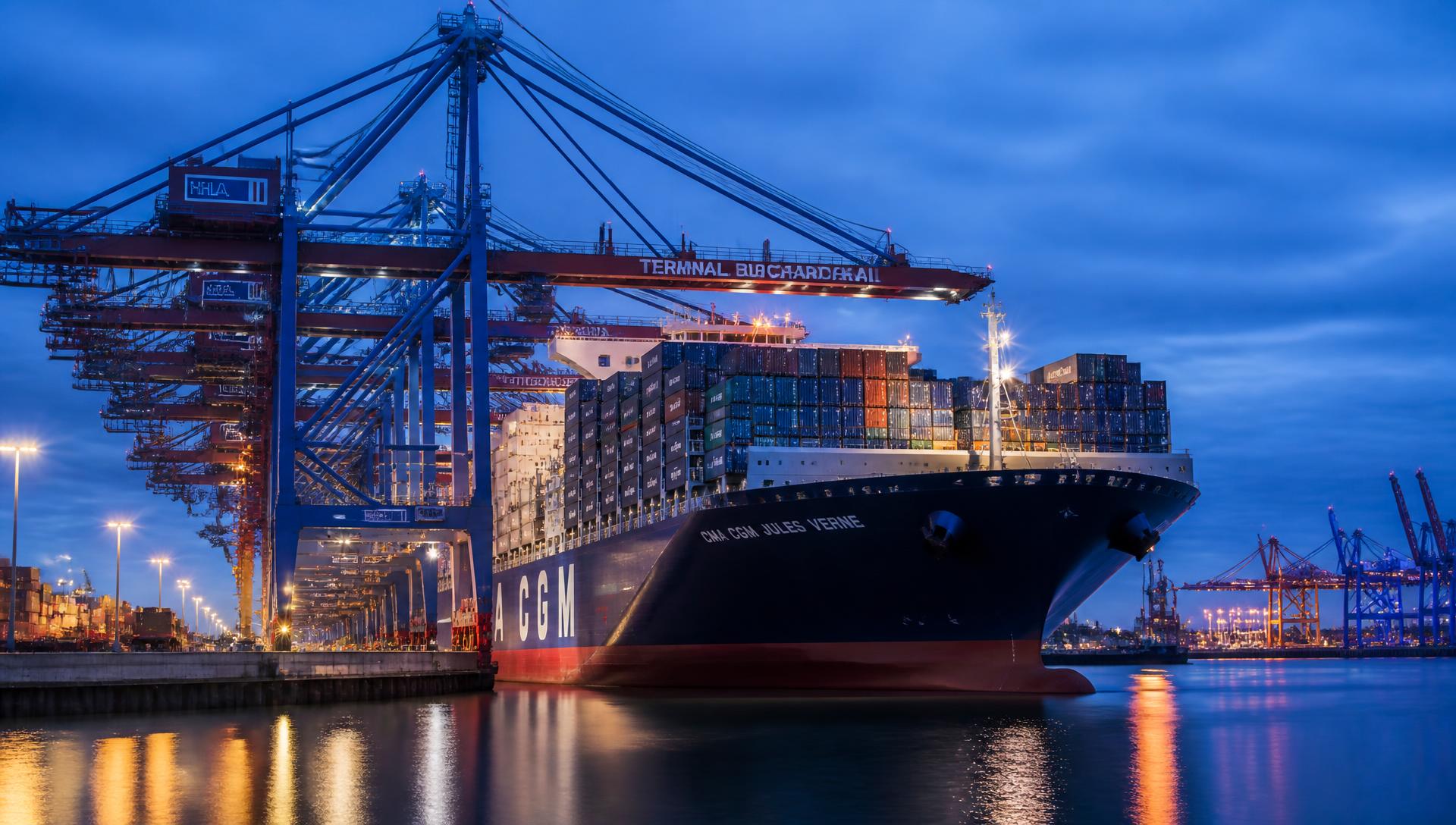
📦 Container Shipping
How Many Clothing Bales Fit in a 40ft High Cube?
Determining the exact number of clothing bales that fit into a 40ft High Cube container is a complex calculation influenced by several critical factors, primarily bale dimensions, weight…

How Many Clothing Bales Fit in a 40ft High Cube?
Determining the exact number of clothing bales that fit into a 40ft High Cube container is a complex calculation influenced by several critical factors, primarily bale dimensions, weight, compression, and the efficiency of the loading process. On average, a 40ft High Cube container can accommodate between 400 to 550 bales of standard used clothing, assuming typical bale sizes ranging from 45 kg to 100 kg. However, achieving optimal capacity requires meticulous planning and execution to maximize space utilization. This article will break down the variables involved, offering a professional, operations-focused perspective on maximizing your container load for international logistics.
Understanding the 40ft High Cube Container
The 40ft High Cube (40' HC) container is a standard unit in international freight, highly favored for shipping used clothing due to its larger volume compared to a standard 40ft container. Its external dimensions are approximately 40 feet long, 8 feet wide, and 9 feet 6 inches high. Internally, this translates to roughly 39 feet 5.4 inches in length, 7 feet 8.6 inches in width, and 8 feet 9.6 inches in height. This extra foot of height significantly increases its cubic capacity, making it ideal for lighter, bulkier cargo like textile bales.
The internal volume of a 40ft High Cube container is approximately 76 cubic meters (2,690 cubic feet). This capacity is a crucial starting point for calculating how many bales can be loaded. However, simply dividing the container's volume by a bale's volume rarely yields an accurate result because it doesn't account for irregular shapes, dunnage, and the inevitable void spaces that occur during loading. Effective container loading in Montreal involves strategic stacking and packing to minimize these inefficiencies.
Key Factors Influencing Bale Capacity
Several interconnected factors dictate how many used clothing bales can be loaded into a 40ft High Cube container. Understanding these variables is paramount for efficient logistics planning and accurate cost estimation.
Bale Dimensions and Weight
The most direct influence on container capacity is the physical size and weight of the individual bales. Used clothing is typically compressed into bales of varying sizes and weights, largely depending on the type of clothing, the compression machinery used, and the specific market requirements. Common bale weights range from 45 kg (100 lbs) to 100 kg (220 lbs), with corresponding dimensions.
- Smaller bales (e.g., 45-55 kg): These tend to be more versatile for loading, allowing for better manipulation to fill gaps. However, more individual bales are needed to reach the container's maximum weight or volume. Typical dimensions might be around 60 cm x 50 cm x 40 cm.
- Larger bales (e.g., 80-100 kg): While fewer individual bales are required, their larger size can lead to more wasted space if not packed efficiently. Typical dimensions might be around 80 cm x 70 cm x 60 cm.
The uniformity of bale dimensions is also critical. A batch of consistently sized bales is far easier to load efficiently than a mixed batch, as it allows for predictable stacking patterns. For more information on preparing your cargo, refer to our guide on Sorting and Packing Used Clothing Bales for Export.
Compression Density
The density of the compressed clothing within each bale directly impacts its size. Higher compression means more clothing packed into a smaller volume, increasing the density. This is a critical factor for maximizing both volume and weight capacity. Professional baling operations utilize hydraulic presses to achieve optimal compression, reducing the overall footprint of the clothing. The goal is to maximize the amount of product per bale without compromising the integrity of the clothing or the bale itself.
Loading Techniques and Palletization
The method by which bales are loaded into the container significantly affects the final count.
- Hand-loading (Floor Loading): This is the most common and often most efficient method for used clothing bales. Experienced loaders can meticulously stack bales, filling irregular spaces and maximizing cubic utilization. This method allows for flexibility in arranging bales of different sizes and shapes to fit snugly, minimizing voids. It generally results in the highest bale count.
- Palletization: While offering speed and ease of handling with forklifts, palletization reduces the usable internal volume of the container. Pallets themselves take up space, and the standardized dimensions of palletized loads can leave more gaps than hand-loading, especially with irregularly shaped bales. Given that used clothing bales are often compressed into shapes that don't perfectly conform to pallet dimensions, palletizing is less common for this specific commodity when maximizing space is the priority.
Maximum Weight Capacity
Even with a High Cube container's large volume, the maximum permissible gross weight (payload) of the container is a hard limit. A 40ft High Cube container typically has a maximum payload capacity of around 26,000 kg to 28,000 kg (approximately 57,000 to 61,000 lbs), depending on the container's tare weight and the carrier's regulations.
You must calculate the total weight of your bales and ensure it does not exceed this limit. If you are shipping heavier bales, you might reach the weight limit before you fill the container's volume. Conversely, with lighter bales, you are more likely to cube out (fill the volume) before hitting the weight limit. This balance between volume and weight is a critical aspect of efficient container planning.
Delineating Factors for Bale Capacity
The following table summarizes the primary factors affecting how many bales fit into a 40ft High Cube container:
| Factor | Impact on Bale Capacity | Considerations for Maximization |
|---|---|---|
| Bale Dimensions | Direct relation: smaller bales allow for more units. | Standardize bale sizes; optimize dimensions for container width/height to minimize gaps. |
| Bale Weight | Influences whether container "cubes out" or "weighs out." | Balance bale density/weight to approach both volume and weight limits without exceeding either. |
| Compression Density | Higher density = smaller bales for same clothing quantity. | Utilize professional hydraulic balers for maximum, consistent compression. |
| Loading Method | Hand-loading generally yields higher counts than palletization. | Opt for skilled hand-loading/floor loading for used clothing bales to maximize cubic utilization. |
| Container Payload | Hard weight limit; can prevent reaching full volume capacity. | Monitor total bale weight; avoid overloading to prevent penalties and safety issues. |
| Dunnage & Void Space | Inevitable gaps reduce effective loading volume. | Strategic loading patterns, use of dunnage to secure cargo and fill small gaps, minimize empty space. |
| Bale Integrity | Damaged bales lead to wasted space and potential cargo loss. | Ensure bales are securely wrapped and strapped to maintain shape during transit. |
Calculating Potential Bale Count: A Practical Approach
To estimate the number of bales, a practical approach involves considering both volume and weight constraints.
1. Calculate Usable Container Volume: The internal volume of a 40ft HC is roughly 76 cubic meters. However, due to dunnage, irregular shapes, and loading inefficiencies, you typically achieve 85-95% of this volume. Let's assume an efficiency factor of 90%. Usable Volume = 76 m³ * 0.90 = 68.4 m³
2. Determine Average Bale Volume: If a typical bale measures 80 cm x 70 cm x 60 cm (0.8m x 0.7m x 0.6m), its volume is 0.336 m³.
3. Estimate Volume-Based Bale Count: Number of bales (by volume) = Usable Container Volume / Average Bale Volume = 68.4 m³ / 0.336 m³ ≈ 203 bales.
4. Determine Average Bale Weight: Let's say your average bale weighs 100 kg.
5. Estimate Weight-Based Bale Count: Maximum Payload Capacity (e.g., 27,000 kg) Number of bales (by weight) = Maximum Payload / Average Bale Weight = 27,000 kg / 100 kg = 270 bales.
In this specific example, you would be limited by volume (203 bales) before reaching the weight limit. If your bales were smaller and denser, say 0.2 m³ and 100 kg, the calculation would shift: Volume-based: 68.4 m³ / 0.2 m³ = 342 bales Weight-based: 27,000 kg / 100 kg = 270 bales In this second scenario, you would be limited by weight (270 bales) before filling the container's volume.
This illustrates why both volume and weight calculations are essential. The final number will always be the lower of the two estimates. VELOX Logistics, specializing in used clothing logistics service, advises clients to provide precise bale specifications for an accurate assessment.
Optimizing Container Loading for Used Clothing Bales
Maximizing the number of bales in a 40ft High Cube container requires meticulous planning and execution. Here are operational best practices:
- Standardize Bale Sizes: Where possible, work with suppliers to standardize bale dimensions. Consistent sizes allow for more predictable and efficient stacking patterns, minimizing wasted space.
- High Compression: Ensure bales are compressed to the highest possible density without damaging the clothing or compromising bale integrity. Denser bales mean more product per unit volume.
- Skilled Loading Crew: Employing an experienced loading crew is paramount. They understand how to interlock bales, rotate them, and strategically place smaller bales to fill voids, maximizing the cubic capacity of the container. This is a specialized skill that goes beyond simply stacking.
- Loading Plan: Develop a detailed loading plan based on bale dimensions and container specifications. This plan should outline the optimal stacking pattern layer by layer.
- Utilize Vertical Space: The extra height of a High Cube container is its main advantage. Ensure bales are stacked as close to the container ceiling as safely possible, often requiring multiple layers.
- Dunnage and Securing: Use appropriate dunnage (e.g., cardboard, wood, airbags) to fill small gaps, prevent shifting during transit, and protect bales from damage. However, use dunnage judiciously to avoid taking up too much valuable space.
- Pre-Measurement and Mock Stacks: If dealing with new bale sizes, conduct a mock stack in your warehouse to determine the most efficient configuration before actual loading.
- Communication with Freight Forwarder: Provide your freight forwarder, like VELOX Logistics, with precise bale dimensions (length, width, height) and average weight. This data is crucial for them to advise on optimal loading and to secure the correct container booking in Montreal.
The VELOX Logistics Advantage for Used Clothing Shipments
At VELOX Logistics, we understand the specific challenges and nuances of shipping wholesale used clothing internationally. Based in Montreal, we offer comprehensive freight forwarding services tailored to the used clothing trade. All our international departures consistently leave from Montreal, leveraging our expertise in local operations and global networks.
When you partner with VELOX Logistics, you benefit from our operational focus:
- Expert Advice on Loading: We provide guidance on optimizing your container load based on your specific bale characteristics, ensuring you maximize space and minimize per-unit shipping costs.
- Reliable Container Booking: We secure 40ft High Cube containers, coordinating with ocean carriers to match your preferred sailing schedules.
- Efficient Documentation: Our team handles all necessary export documentation, customs procedures, and compliance requirements for international shipments, ensuring a smooth transit from Montreal to your destination.
- Transparent Process: We maintain clear communication throughout the shipping process, providing updates and addressing any logistical challenges proactively.
We recognize that rates for international shipping are dynamic. Factors such as fuel costs, carrier capacity, port congestion, and global economic conditions all contribute to fluctuating prices. Therefore, we always recommend requesting a dated quote tailored to your specific shipment needs. For example, shipping used clothes from Canada to Africa involves specific considerations that influence pricing.
[[CTA]]
FAQ — Used Clothing Bale Capacity in 40ft High Cube
Q: How much does a 40ft High Cube container cost to ship? A: Shipping rates for a 40ft High Cube container vary significantly based on the destination, current market conditions, carrier, and time of year. We cannot provide a fixed price. Rates are dynamic and require a dated quote. Please request a rate from VELOX Logistics for an accurate and current estimate.
Q: Is there a maximum weight limit for a 40ft High Cube container? A: Yes, a 40ft High Cube container has a maximum payload capacity, typically ranging from 26,000 kg to 28,000 kg (57,000 to 61,000 lbs), depending on the container's tare weight and the shipping line's regulations. It is crucial not to exceed this limit to avoid penalties and ensure safety.
Q: What is the ideal bale size for a 40ft High Cube container? A: There isn't one "ideal" size, as it depends on balancing volume and weight. However, bales that are consistently sized and designed to fit snugly within the container's width and height (e.g., two bales wide, three or four bales high) without excessive gaps are generally most efficient.
Q: Can I mix different sizes of bales in one container? A: Yes, you can mix different sizes, but it complicates loading efficiency. Experienced loaders can strategically place smaller bales to fill voids created by larger ones. However, a uniform bale size generally results in a higher overall count due to more predictable stacking.
We specialize exclusively in container shipping for all cargo, including used clothing bales.
Q: How do I get an accurate quote for my used clothing shipment from Montreal? A: To receive an accurate quote, you should provide VELOX Logistics with details such as the total number of bales, their average dimensions (length, width, height), average weight per bale, and the final destination country and port. All our departures are from Montreal.
Get a VELOX quote
To get an precise, dated quote for your international used clothing shipment, please contact VELOX Logistics. Our team is ready to assist you with all departures from Montreal. Reach out to us via WhatsApp at +1 514-718-0282 or visit our website to request a rate.
Further reading
These VELOX guides go further on the topic: