Canada is one of the world's best markets for buying used vehicles for export to Africa. Prices are competitive, the vehicles are well-maintained, salt-belt rust is manageable in many provinces, and inspection paperwork is straightforward. Each year thousands of cars, SUVs, pickup trucks, vans, motorcycles and heavy equipment units leave Montreal bound for ports across West and Central Africa.
Step 1: Buy the Right Vehicle
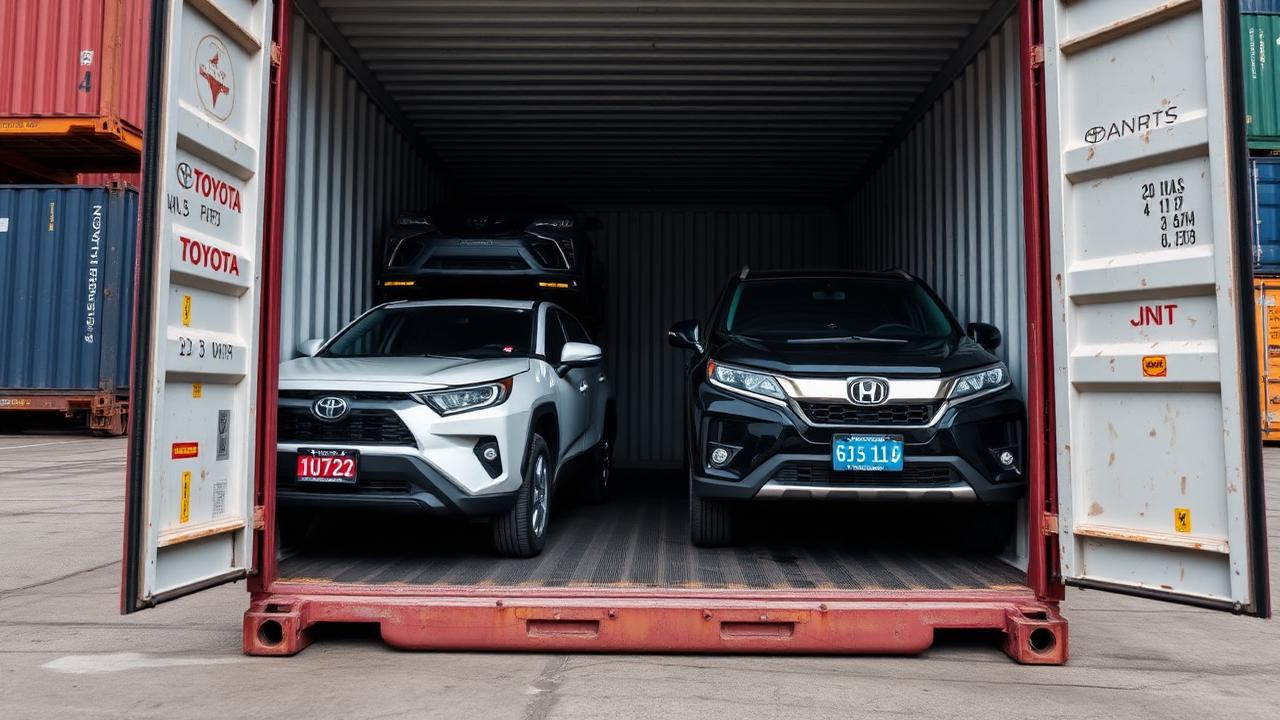
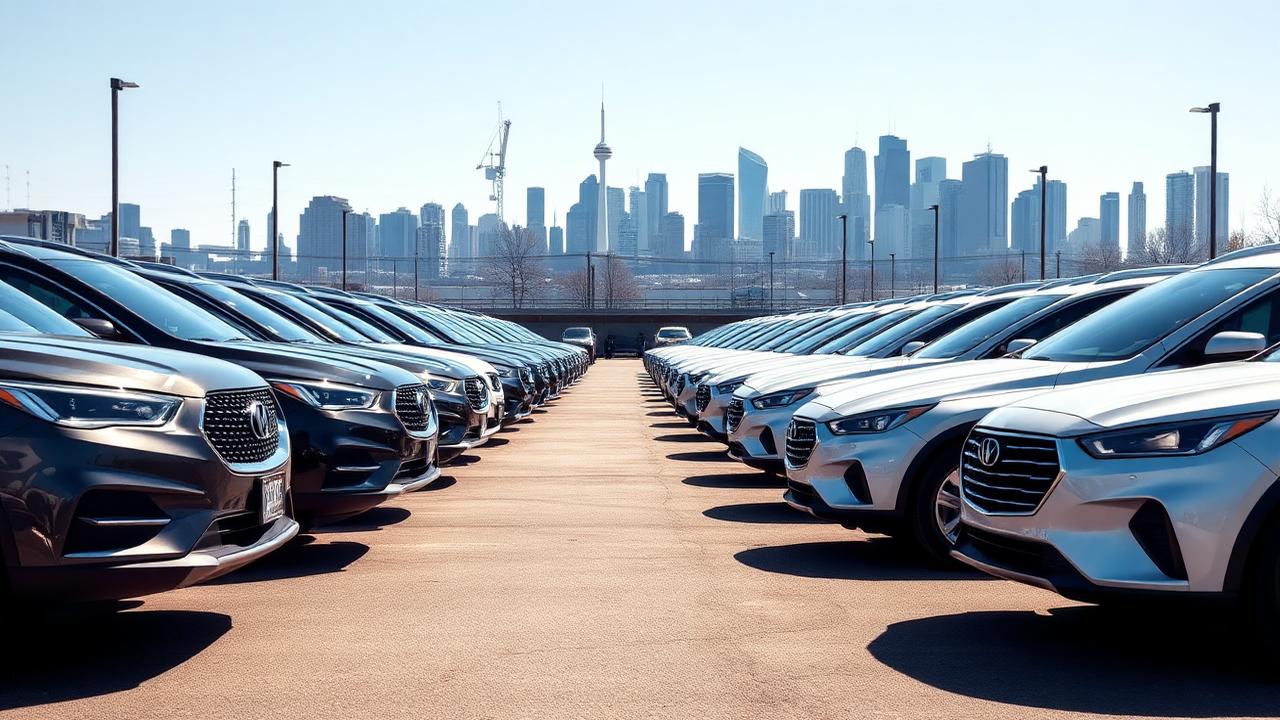
Most African countries have age limits on imported vehicles — typically 5 to 10 years old depending on the country. Some restrict diesel vehicles, others tax older cars more heavily. Before you buy, confirm: the age limit in your destination, whether the body style is popular locally (resale matters), and whether spare parts are easy to find. Toyota, Honda, Nissan and Hyundai models are universally popular.
Step 2: Get Clear Ownership
You must have the original Canadian vehicle title or ownership transfer document in your name (or a notarized bill of sale). The vehicle cannot have an outstanding lien, salvage title issues or active police flags. We will verify the VIN against Canadian Customs records before booking.
Step 3: Choose a Shipping Method
Container shipping is the most popular method — your vehicle is loaded inside a 20ft or 40ft container, fully protected from weather and theft. You can also load personal effects, spare parts and accessories inside the vehicle and around it (subject to weight and customs rules). RoRo (Roll-on/Roll-off) is cheaper for some destinations but offers less protection and no ability to ship extras.
Step 4: Export Documentation
For shipments worth more than CAD 2,000 you need a Canadian Customs export declaration (B13A). You'll also need the vehicle title, bill of sale, your passport/ID, and the shipping booking. Some destinations require pre-shipment inspection — we'll let you know based on your destination.
Step 5: Drop Off in Montreal
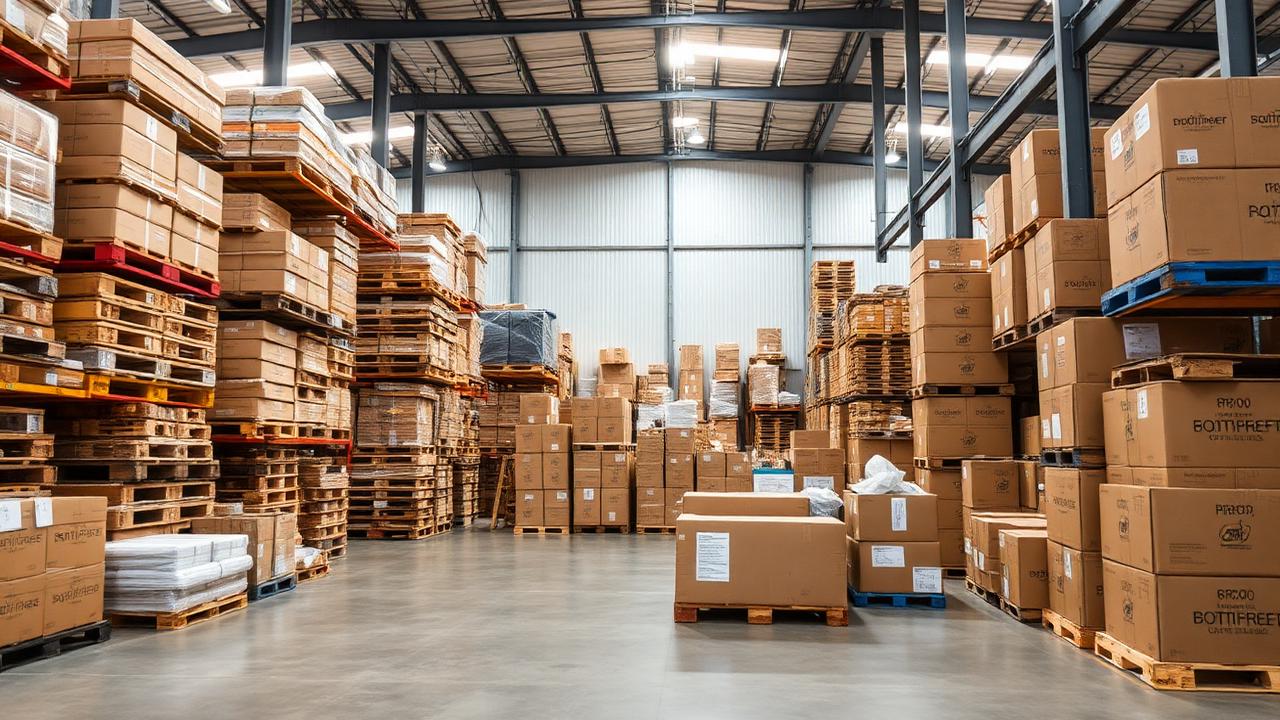
Drive the vehicle to our secure Montreal warehouse before the container closing date. We'll photograph it from every angle, drain it to a quarter tank of fuel (carrier safety rule), disconnect the battery if required, and load it into the container with professional bracing.
Step 6: Ocean Transit and Arrival
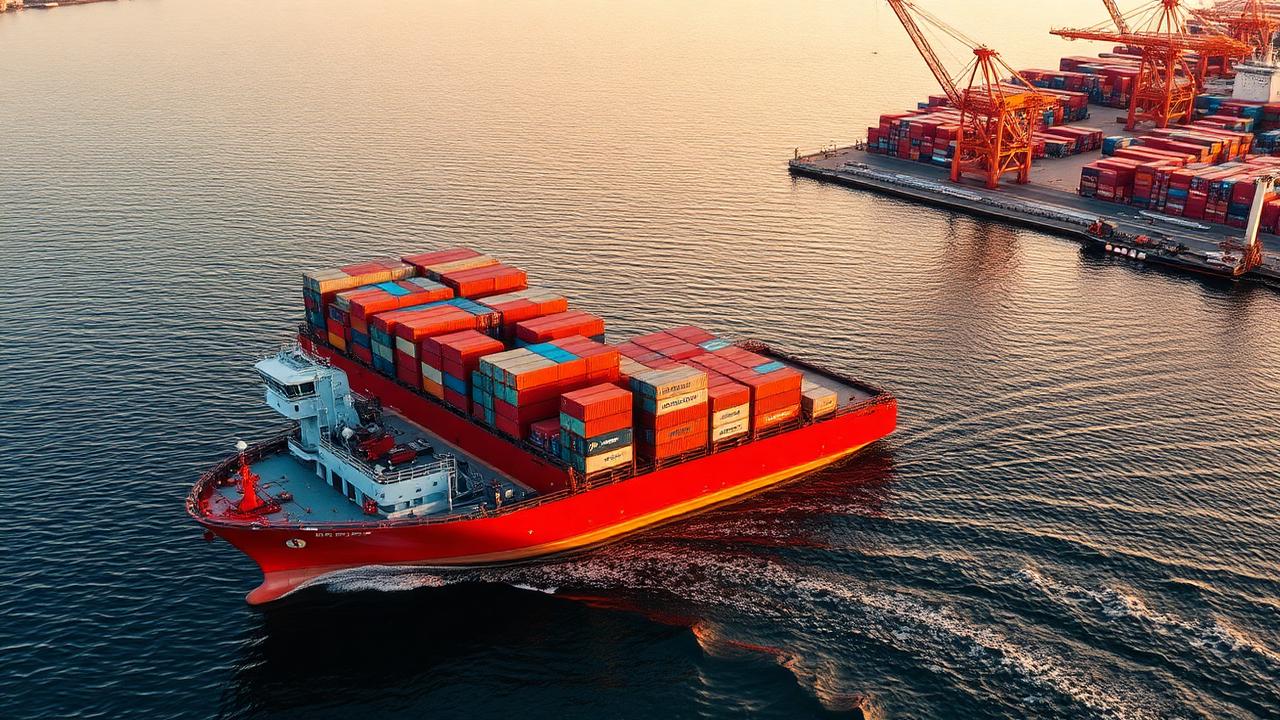
Transit times vary by destination: Dakar 18-22 days, Abidjan 20-26 days, Douala 25-32 days, Matadi 28-35 days. You'll receive a bill of lading and tracking reference once the ship sails.
Step 7: Customs Clearance at Destination
Your local clearing agent files the import declaration, pays duties, and arranges plates if you'll be driving the vehicle locally. Duties on used vehicles typically range from 10-35% of the customs value depending on the country and vehicle age, plus VAT (15-20% in most countries). Budget for these upfront so there are no surprises.
Common Mistakes to Avoid
Buying a vehicle that's too old for the destination's age limit. Forgetting to remove personal documents from the glove box. Leaving the fuel tank full (carriers will charge to drain). Not declaring extras packed inside the vehicle. Choosing the cheapest forwarder without checking references.
Why Ship With VELOX
We specialize in vehicle export from Montreal to Africa. We handle everything from container booking to export declaration to insurance to onward customs coordination. We've shipped everything from family sedans to construction excavators.
If you are planning to ship to Africa, VELOX Logistics offers full container shipping, cargo consolidation, vehicle export and warehousing from Montreal. Contact us today on WhatsApp at +1 514-718-0282 or request a free quote.
Request a Free Shipping Quote
Get expert help from the VELOX Logistics team. Same-day quotes for container shipping, vehicle export, consolidation and door-to-door delivery from Canada to Africa.
Contact VELOX Logistics
Speak directly with our logistics team — we serve Canada-to-Africa trade lanes from Montreal, Toronto, Vancouver and across North America.