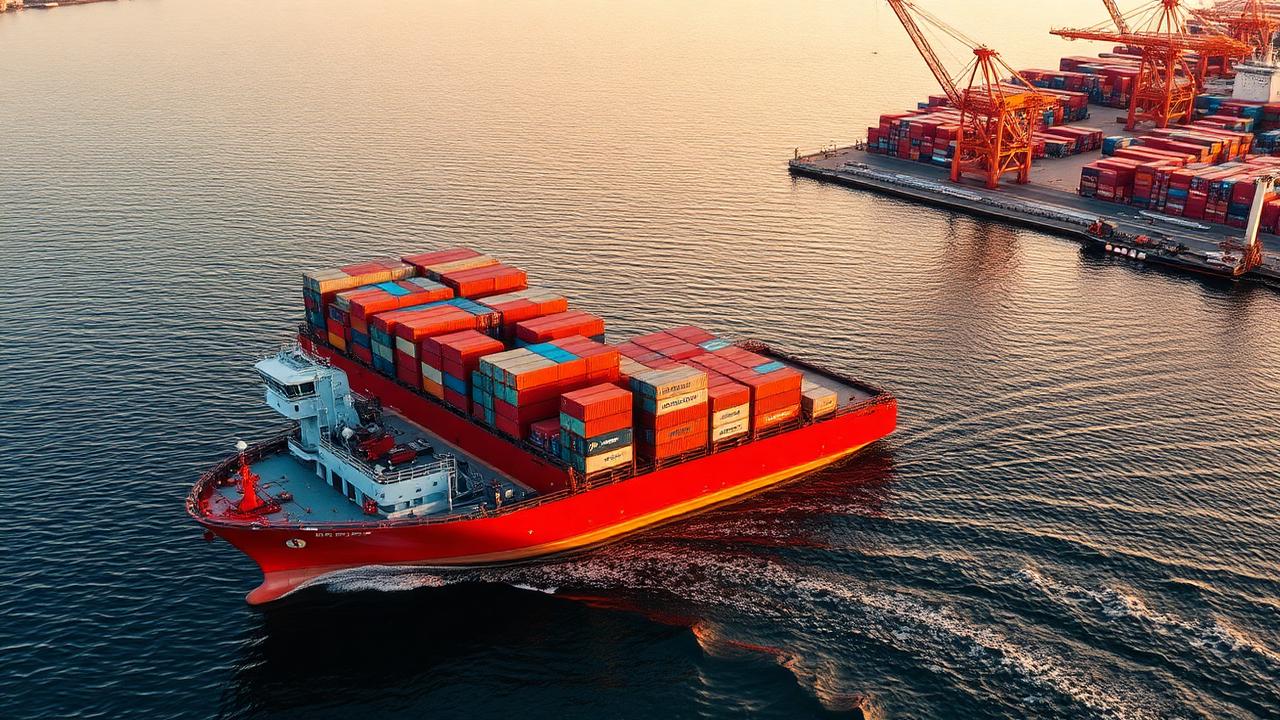
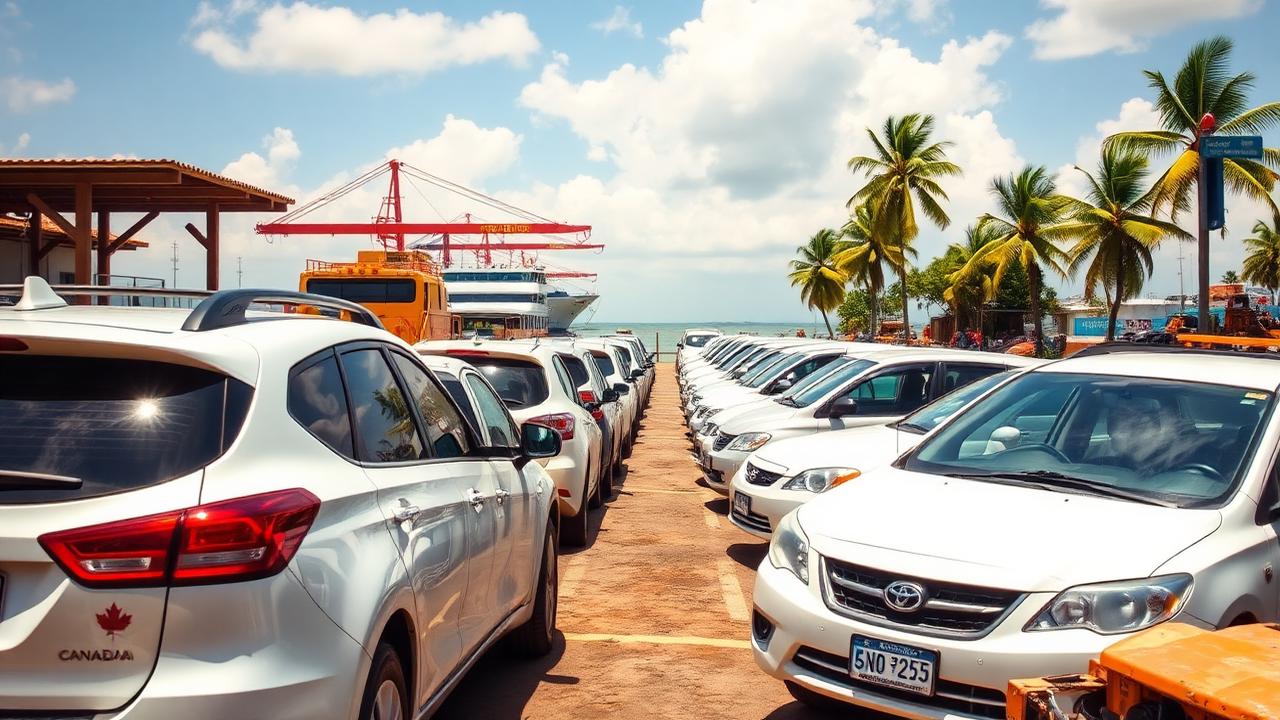
Exporting used cars from Canada to Africa is one of the most profitable trade flows for small importers and car dealers. Vehicles are cheaper in Canada than in much of Africa, ocean freight from Montreal is competitive, and demand for Toyota, Honda, Ford and Hyundai used vehicles is consistently strong from Dakar to Dar es Salaam.
This guide is a comprehensive walkthrough of the used vehicle export business: where to source vehicles, what age restrictions apply, what documents you need, what it costs and how to scale into a full-time export operation.
VELOX Logistics is a Canadian vehicle exporter based in Montreal serving the African market with weekly container and RoRo departures, full customs documentation, in-house consolidation and trusted clearing partners in over 30 African ports.
Where to Source Used Vehicles in Canada
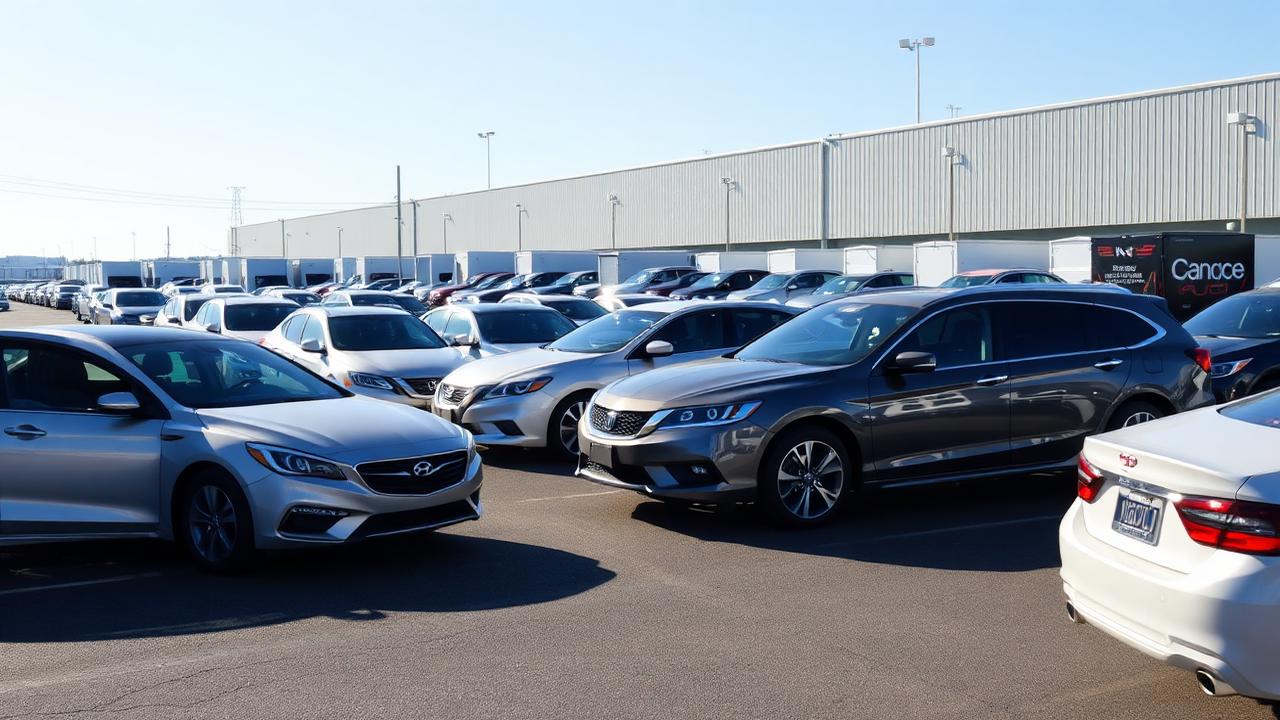
Canadian dealerships are the easiest starting point. Build relationships with one or two dealers in your area who understand export and can sell at near-wholesale prices. Online marketplaces like AutoTrader, Kijiji and Facebook Marketplace are great for private deals, especially for diesel pickups and SUVs.
For volume buyers, dealer-only auction networks (ADESA, Impact Auto Auctions, Copart Canada) offer thousands of vehicles weekly with transparent histories. You need a dealer licence and bonding to access most of these auctions.
Pre-Purchase Inspection and Vehicle History
Always pull a CarFax or CARPROOF report before buying. African buyers are increasingly aware of accident history, salvage titles and odometer rollbacks. A clean Canadian history report adds confidence to your resale story and supports a higher price.
If the vehicle is over CAD 15,000, consider a pre-purchase inspection by a third-party mechanic. The CAD 150-200 inspection often saves thousands by catching mechanical issues.
Age Limits and Destination Restrictions
Each African country sets its own vehicle import age limit. Senegal: 8 years. Côte d'Ivoire: 5 years. Ghana: 10 years (with penalty taxes above). Kenya: 8 years. Cameroon, Togo and Benin generally have no strict limit but apply higher duties to older vehicles.
Always verify the current rule before buying. Importing a vehicle that exceeds the age limit can result in seizure or forced re-export at your cost.
Estimated Landed Cost Calculation
To know if a used car export will be profitable, calculate the full landed cost: purchase price + Canadian export prep (CAD 200-400) + ocean freight + destination port charges + import duty + VAT + clearance + inland delivery. Then compare against the realistic resale price at destination.
A typical mid-2010s Toyota RAV4 bought for CAD 14,000 in Montreal lands in Cotonou around CAD 19,000-21,000 all-in and resells for the equivalent of CAD 25,000-28,000, yielding a 20-35 percent margin.
Choosing the Right Shipping Method
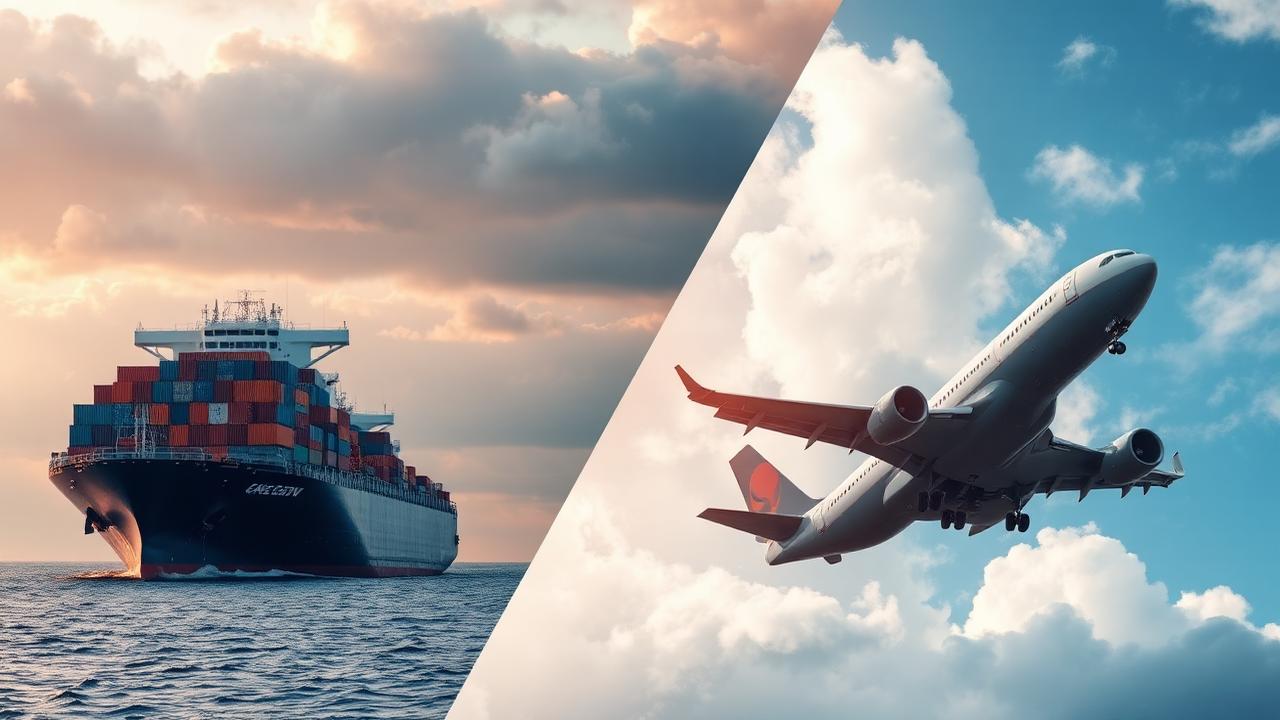
Single vehicle bookings usually go RoRo. Two-vehicle bookings often fit in one 40ft container for a similar per-vehicle cost. Containers also let you load auto parts and household goods alongside the cars, which improves margin.
For high-value vehicles (over CAD 30,000), always use container shipping for security.
Recommended Models for Each African Region
West Africa: Toyota Corolla, Camry, RAV4, Hilux; Honda Accord, CR-V; Ford Escape and F-150. Central Africa: Toyota Land Cruiser, Hilux, Tundra; Ford F-250; Mitsubishi Pajero. East Africa (right-hand drive only): heavy equipment, trucks, specialty vehicles.
Hybrids like the Toyota Camry Hybrid and Prius are increasingly popular in cities with high fuel prices.
Scaling from One Car to a Full Export Business
Most successful exporters start with one vehicle, build a destination relationship, then scale to one container per month, then to weekly containers. Reinvest margin into a small Canadian sourcing operation, build a clearing partner network at destination, and add WhatsApp marketing to reach diaspora buyers directly.
VELOX Logistics supports clients at every stage with flexible booking, in-house consolidation and clearing partner introductions.
Destination Port Profiles Across West, Central and East Africa
Choosing the right discharge port often matters as much as choosing the right vessel. The same vehicle routed through Cotonou rather than Lagos can save the importer several hundred dollars in clearance costs and one to two weeks of delays. Below is a practical overview of the ports VELOX Logistics uses most often for car shipping Canada to Africa, with the operational details that determine real-world transit times and total landed cost.
Port of Dakar (Senegal)
Dakar is the fastest direct call from Montreal, with most carriers averaging 18 to 22 days of sea transit. The container terminal is operated by DP World and handles both FCL and consolidation cargo efficiently. RoRo vessels discharge at the Mole 8 terminal and yard release typically occurs within 5 business days of arrival, provided documents are pre-cleared.
Port of Cotonou (Benin)
Cotonou is the preferred re-export hub for landlocked countries like Niger, Burkina Faso and northern Nigeria. Transit from Montreal averages 22 to 28 days. Cotonou offers competitive duties on vehicles destined for re-export under the TIE (Transit International Routier) regime, which is why many West African dealers consolidate their Canadian purchases through this port.
Port of Lomé (Togo)
Lomé has become the largest transhipment hub in West Africa thanks to the Lomé Container Terminal (LCT) operated by MSC. Vehicles arriving here are often re-loaded onto feeder vessels for Douala, Pointe-Noire, Matadi or Luanda. If your final destination is Central Africa, asking VELOX Logistics to route through Lomé can shave 4 to 7 days off the door-to-door time.
Port of Abidjan (Côte d'Ivoire)
Abidjan is the busiest port on the West African coast and the gateway to Mali and Burkina Faso. Transit from Montreal is 24 to 30 days. The new Terminal 2 has significantly reduced yard congestion, but importers should still plan for 7 to 10 days of clearance because Ivorian customs perform a physical vehicle inspection on most consignments.
Port of Douala (Cameroon) and Matadi (DRC)
Douala serves Cameroon, Chad and the Central African Republic, with transit times of 28 to 35 days. Matadi serves the Democratic Republic of Congo with transit of 28 to 38 days. Both ports require careful documentation because mismatched VIN numbers or fuel-type errors on the bill of lading trigger automatic penalties under the SYDONIA customs system.
Ports of Mombasa and Dar es Salaam (East Africa)
East African ports are reached via transhipment in Algeciras, Tangier or Salalah, so transit time stretches to 32 to 42 days. Kenya and Tanzania both require right-hand drive vehicles for road registration, so left-hand drive imports must be declared as parts cargo or re-exported. VELOX Logistics confirms steering configuration before booking to prevent this very common and expensive mistake.
Total Landed Cost: What You Actually Pay
A common question we receive is why an apparently cheap RoRo quote ends up costing more than a higher container quote once the vehicle reaches the destination. The answer lies in the components of total landed cost. A transparent Canadian vehicle exporter will always break the price down so you can compare apples to apples.
Origin Charges in Canada
These include inland trucking from the seller to the consolidation yard, yard handling, vehicle wash, B13A export declaration filing, ISF where applicable, and terminal handling at the port of Montreal or Halifax. Expect CAD 350 to CAD 750 in origin charges for a single passenger vehicle.
Ocean Freight
Ocean freight is the largest single component and depends on vessel space, fuel surcharges and the destination port. Rates for a sedan in a shared 40ft container range from CAD 1,500 to CAD 2,400. RoRo rates start at CAD 1,400 to West Africa and climb to CAD 2,800 to East Africa. VELOX Logistics locks rates per shipment so currency or fuel swings do not affect your final invoice.
Destination Charges and Duties
Destination charges include terminal handling, container demurrage if clearance is delayed, customs clearance fees, and inland trucking to the final city. Duties and VAT are calculated on the CIF value (Cost + Insurance + Freight) and typically range from 35 percent to 65 percent depending on the country and engine displacement. Diesel pickups attract higher duties in many West African countries while small hybrids enjoy preferential rates in Rwanda and Kenya.
Insurance and Optional Services
All-risk marine insurance costs 1.2 percent to 1.8 percent of the declared value and protects against partial loss, total loss and general average claims. Optional services such as inland trucking to Niamey, Bamako or Kinshasa, pre-export inspection certificates (BIVAC, COTECNA, SGS) and translation of documents are quoted separately.
Regulatory Framework: Canadian Export Rules You Must Follow
Canadian export law is generally welcoming to legitimate vehicle exporters, but a handful of regulations trip up new shippers. Understanding these rules in advance protects you from CBSA penalties, vessel rollover and seized cargo.
CBSA B13A Export Declaration
Any vehicle worth more than CAD 2,000 leaving Canada requires a B13A declaration filed in the Canadian Export Reporting System (CERS) at least 72 hours before vessel loading. The declaration includes the VIN, HS code 8703.x, FOB value in Canadian dollars, port of exit and ultimate consignee. VELOX Logistics files all B13A submissions on behalf of clients and retains proof of acceptance for seven years per CBSA record-keeping rules.
Title, Lien Search and Stolen Vehicle Verification
Each vehicle must have a clean Canadian title transferred to the exporter of record. Provincial registries (SAAQ in Quebec, ServiceOntario in Ontario, ICBC in British Columbia) issue the ownership certificate. The Canadian Police Information Centre (CPIC) database is checked against the VIN to confirm the vehicle is not flagged as stolen. We pull both reports before any vehicle is gated into our yard.
Recall and Compliance Branding
Transport Canada's Registrar of Imported Vehicles maintains a public recall lookup. Although recalls do not block export, undisclosed open recalls can void marine insurance and create liability problems if the vehicle later causes an accident in the destination country. We disclose all open recalls on every commercial invoice.
Sanctioned Destinations
Global Affairs Canada maintains a list of sanctioned countries and individuals. Vehicle exports to sanctioned destinations or to listed individuals are illegal regardless of the value. Our compliance team screens every consignee against the United Nations 1267 list, the OFAC SDN list and the Canadian Special Economic Measures Act lists before booking.
Worked Example: A Real Shipment From Montreal to Cotonou
To illustrate how the numbers and timeline come together, here is a real recent shipment we handled for a Beninese-Canadian client, with names and pricing simplified for confidentiality.
The Vehicle
A 2017 Toyota RAV4 LE AWD with 142,000 km purchased at an ADESA auction in Boucherville, Quebec for CAD 14,200 plus auction fees. The buyer wanted the vehicle delivered to his cousin in Cotonou for personal use within six weeks.
Origin Workflow
Day 1: We collected the vehicle from the auction yard and delivered it to our Montreal consolidation facility. Day 2: We performed a 64-point pre-export inspection, photographed the vehicle, washed it and confirmed VIN match to the title. Day 3: We filed the B13A in CERS and issued the commercial invoice and packing list. Day 5: The vehicle was loaded into a shared 40ft container with three other RAV4s and one Honda Civic.
Ocean Transit
Day 7: The container was gated into the Port of Montreal. Day 9: Vessel departure on a direct West African service. Day 31: The vessel arrived at the Port of Cotonou. Day 33: Container discharged and devanned at the SMTC terminal.
Destination Clearance and Delivery
Day 34: Import declaration filed by our Cotonou clearing partner. Day 36: Duties of approximately CAD 5,800 paid (52 percent of CIF). Day 38: Yard release granted and vehicle picked up by the consignee. Total elapsed time from auction purchase to handover: 38 days. Total landed cost: CAD 22,750.
How VELOX Logistics Supports Your Vehicle Export Project
VELOX Logistics built its vehicle export service around a single idea: take the complexity off your shoulders so you can focus on selling, sourcing or driving. Whether you are an individual shipping one family car or a dealer moving 40 units a month, we handle every step under one accountable team in Montreal.
One-Stop Service
We combine vehicle inspection, consolidation, documentation, ocean booking, marine insurance and destination clearance into a single contract. Browse our [vehicle export service page](/services/vehicle-export) for full scope details, or explore our broader [ocean freight](/services/ocean-freight) and [customs brokerage](/services/customs-brokerage) services if your shipment includes other cargo.
Transparent Pricing
Use our [instant quote tool](/quote) to receive a written, all-inclusive estimate within one business day. The quote shows origin charges, ocean freight, insurance and destination duties separately, so there are no surprises.
African Network
Our partner network covers more than 30 African ports and inland destinations. Read our [Africa shipping resources](/resources) for country-specific guides on Senegal, Côte d'Ivoire, Benin, Togo, Cameroon, the DRC, Kenya and Tanzania.
Dedicated Support
Every shipment is managed by a dedicated coordinator who shares their direct number and email. You will never wait on a generic call-centre queue. We typically respond to client messages within two hours during business days and within the same business day on weekends.
Additional Considerations Most Shippers Overlook
Beyond the headline price and transit time, several smaller decisions can make a measurable difference to your bottom line. The items below are drawn from years of post-shipment debriefs with clients.
Battery and Fuel Policy
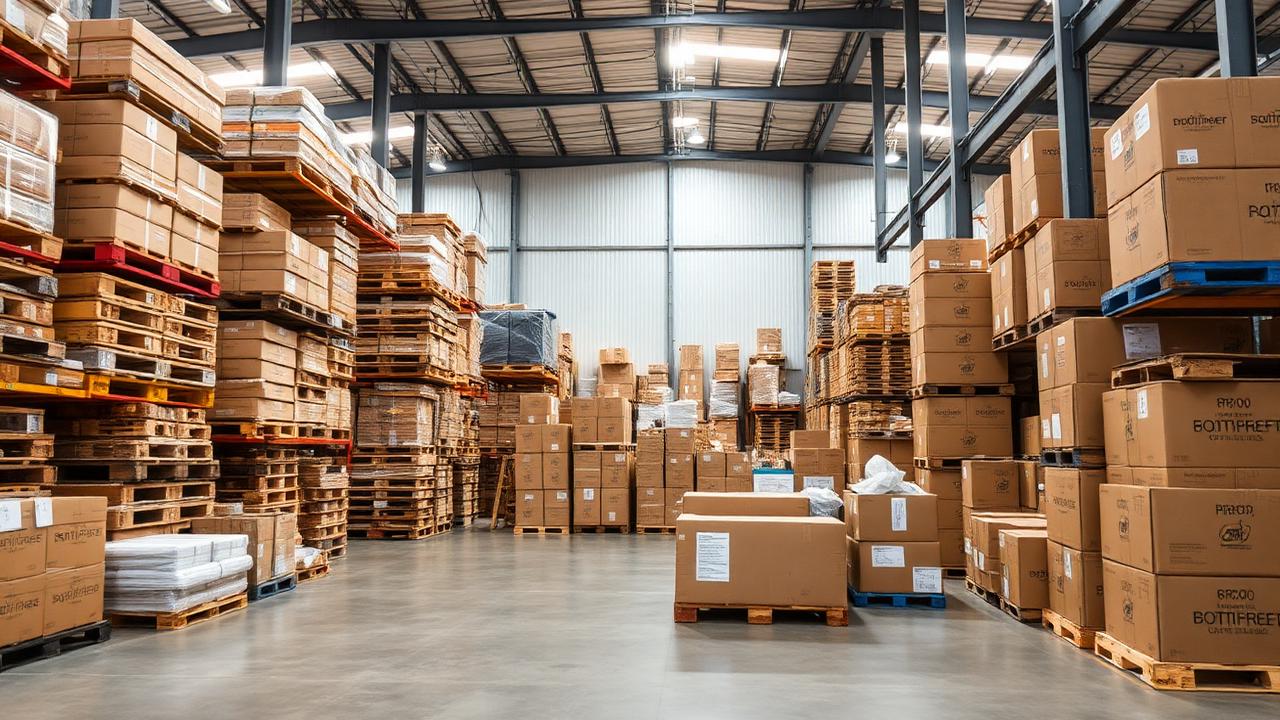
Most carriers require the fuel tank to be no more than one quarter full and many require the battery to be disconnected during RoRo loading. We perform both tasks free of charge for clients using our consolidation yard.
Spare Keys and Manuals
Always ship a spare key inside a sealed envelope attached to the inside of the windshield, and include the original owner's manual. Replacement keys for modern vehicles can cost USD 400 to USD 900 in African capitals due to programming and import costs of the blank.
Pre-Inspection Certificates
Several African countries (Côte d'Ivoire, Ghana, Cameroon, the DRC) require a pre-shipment inspection certificate from BIVAC, COTECNA or SGS before the vessel arrives. Failure to obtain the certificate triggers automatic penalties of 100 percent of duty. VELOX Logistics orders these certificates as a standard step when the destination requires them.
Marine Insurance Claim Process
If the vehicle is damaged in transit, document the damage with photos at the discharge port before signing the equipment interchange receipt. Notify VELOX Logistics within 72 hours so we can open a claim with the underwriter. Claims are typically settled within 60 days for documented partial losses.
Long-Term Storage and Forward Planning
If your African importer is not ready to receive the vehicle, free storage at most destination ports is limited to 7 to 14 days. After that, demurrage and storage charges accumulate quickly. Plan your sailing date so the vehicle arrives no more than a week before the consignee can clear it.
Request a Vehicle Export Quote from VELOX Logistics
Request a Vehicle Export Quote from VELOX Logistics. Call 514-718-0282, email info@veloxlogistics.io or visit www.veloxlogistics.io to get a free, no-obligation quote within one business day. We are a trusted Canadian vehicle export company shipping cars, trucks and heavy equipment from Montreal to ports across West, Central and East Africa every week.
Frequently Asked Questions
Is it profitable to export used cars from Canada?
Yes, when you source well, ship efficiently and sell quickly. Typical margins range 15-35 percent on quality units.
Do I need a Canadian dealer licence to export?
No, individuals can export. A dealer licence is only required to buy from dealer-only auctions.
What is the cheapest African destination to export to?
Cotonou (Benin) and Lomé (Togo) typically offer the lowest landed costs.
Can I export a leased or financed vehicle?
No. The vehicle must be fully paid and the title transferred to your name before export.
How do I sell the vehicle once it arrives in Africa?
Most exporters work with local resellers, build a WhatsApp group of buyers, or partner with a dealer at destination.
Request a Free Shipping Quote
Get expert help from the VELOX Logistics team. Same-day quotes for container shipping, vehicle export, consolidation and door-to-door delivery from Canada to Africa.
Contact VELOX Logistics
Speak directly with our logistics team — we serve Canada-to-Africa trade lanes from Montreal, Toronto, Vancouver and across North America.