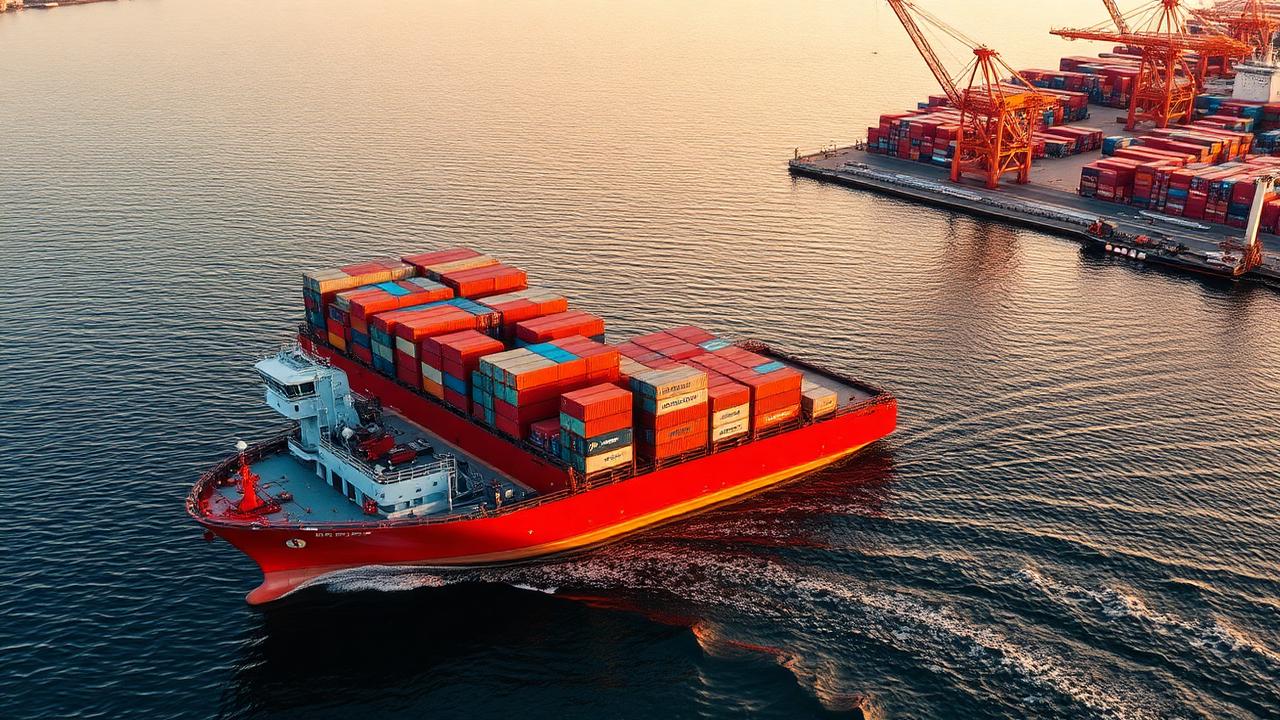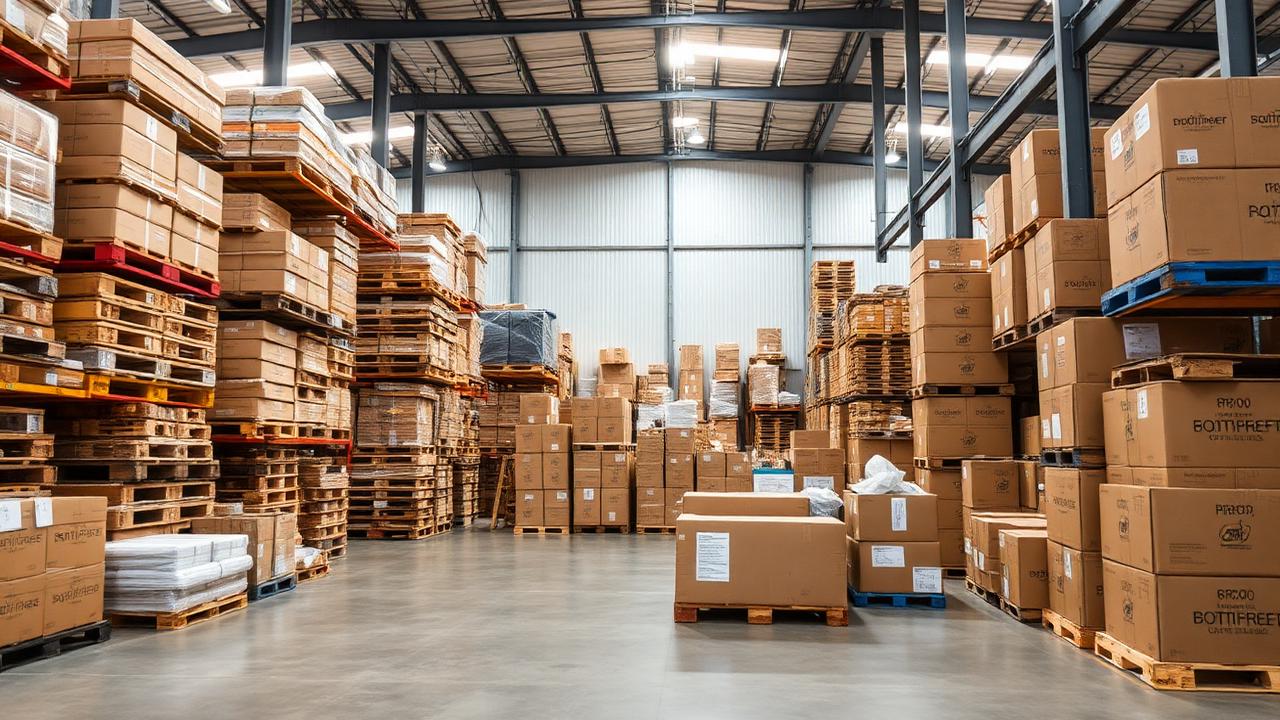

Container shipping is the backbone of global trade. Standardized steel boxes — 20ft and 40ft long — move on giant ships, are transferred to trains and trucks, and deliver almost everything you buy. Understanding how containers work helps you ship smarter, save money and avoid costly mistakes.
Container Sizes
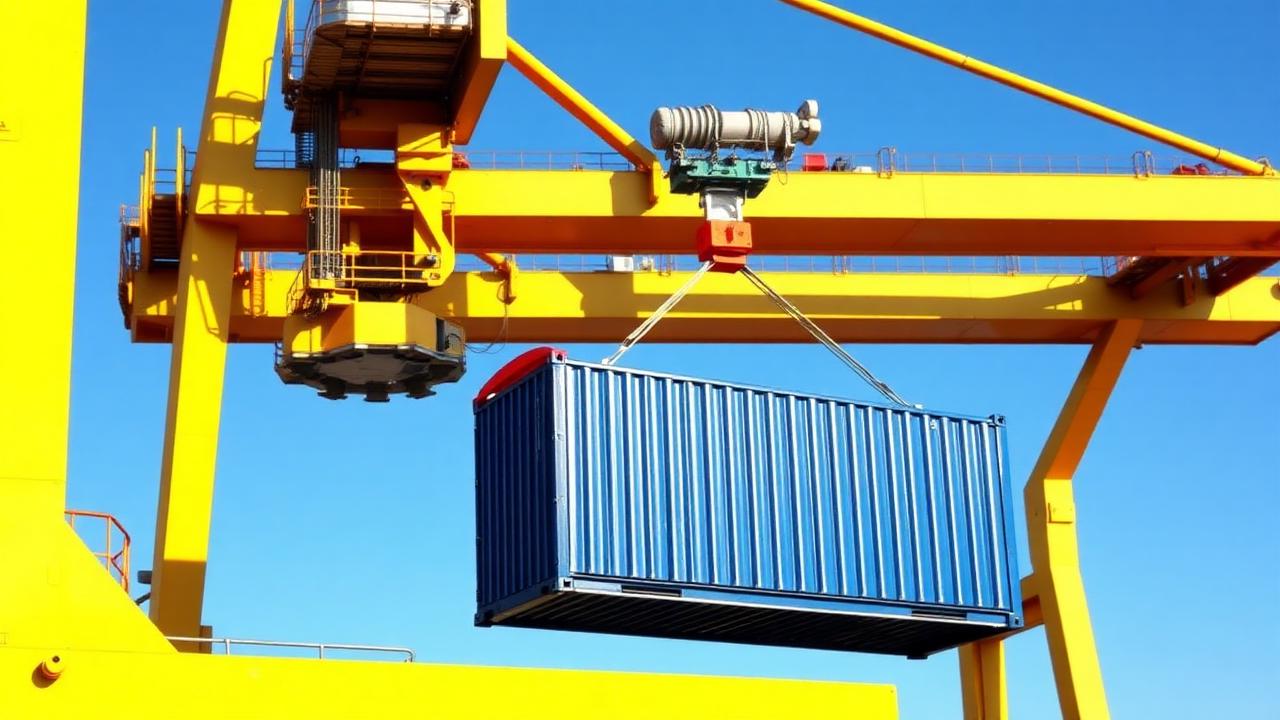
The two standard sizes are the 20ft (TEU) holding about 33 cubic meters and 28,000 kg max, and the 40ft (FEU) holding about 67 cubic meters and 30,000 kg max. The 40ft High Cube has extra interior height and holds about 76 cubic meters.
Container Types
Standard (dry) containers handle the vast majority of cargo. Refrigerated containers (reefers) carry temperature-controlled goods. Open-top and flat-rack containers handle oversized cargo. Tank containers carry liquids. For most shipments from Canada to Africa, standard dry containers are the default.
FCL vs LCL
Full Container Load means you rent and fill an entire container. Less than Container Load (consolidation) means you share with other shippers and pay per cubic meter. FCL is faster and more secure; LCL is cheaper for small volumes.
How Pricing Works
Ocean freight pricing has several components: ocean freight base rate, bunker adjustment factor (fuel surcharge), terminal handling charges at origin and destination, documentation fees, and customs clearance. Quotes should be all-in to avoid surprises.
Transit Times
Montreal to West Africa: 18-35 days depending on destination and routing. Add 3-10 days for customs clearance. Routing during winter often goes through US East Coast ports because the St. Lawrence Seaway is closed.
Documentation
Every container shipment needs: commercial invoice or packing list, bill of lading (the shipping contract and title document), and export/import customs declarations. For specific goods (vehicles, food, electronics) you may need additional certificates.
Insurance
Carriers' baseline liability is very limited — usually a few hundred dollars per shipment. For cargo worth more than a couple thousand dollars, buy marine cargo insurance. Premiums are typically 0.3-0.8% of declared value.
Tracking
Every container has a unique alphanumeric ID (e.g. MSCU1234567). You can track the container's location through the carrier's portal, our customer dashboard, or independent sites like vesselfinder.com.
Common Pitfalls
Underdeclared values to save on duty (illegal and can lead to seizure). Missing the container closing date. Packing prohibited items. Poor bracing inside the container. Choosing the cheapest forwarder over the most reliable one.
Get Help
VELOX Logistics specializes in containers from Montreal to Africa with both FCL and consolidation services across nine destinations.
If you are planning to ship to Africa, VELOX Logistics offers full container shipping, cargo consolidation, vehicle export and warehousing from Montreal. Contact us today on WhatsApp at +1 514-718-0282 or request a free quote.
Request a Free Shipping Quote
Get expert help from the VELOX Logistics team. Same-day quotes for container shipping, vehicle export, consolidation and door-to-door delivery from Canada to Africa.
Contact VELOX Logistics
Speak directly with our logistics team — we serve Canada-to-Africa trade lanes from Montreal, Toronto, Vancouver and across North America.